


























How to Make Chinese Fruit Tea at Home: 3 Refreshing Summer Recipes

by Charlotte Yao
> Quick Answer
Chinese fruit tea begins with properly brewed tea rather than fruit flavor alone. Jasmine tea, white tea, black tea, or oolong is prepared first, then paired with fresh fruit, citrus, juice, or coconut water. In this guide, we share three refreshing summer recipes and explain how to choose the right tea base for each one.
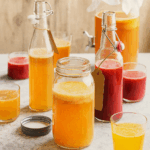
Feeling the heat this summer? I came home the other day from a sweaty workout, my shirt soaked, heart still racing, and all I could think about was something cold. Not just any drink—something clean, cooling, and comforting. So I reached for one of my favorite summer rituals: homemade fruit-infused Chinese tea. The moment that icy tea hit my lips—fragrant, fruity, flowing over clinking cubes—I felt an instant wave of relief run through my body. It was the kind of deep, whole-body refreshment you just can’t fake.
Want to make your summer tea even easier at home? Before adding fruit, coconut water, lemon, or ice, you can prepare a clean Chinese tea base in three simple ways: a gentle cold brew, a slower ice brew, or a quick chilled tea base with stronger aroma. We put together a full guide on how to choose the right method for different teas here: cold brew, ice brew, or quick chilled tea base.
In the heat of summer, when your skin’s sticky and the sun won’t let up, few things satisfy like a tall glass of fruity iced tea with melting ice, floating citrus slices, and just enough natural sweetness to keep it light.
Beyond the thirst-quenching taste and Instagram-worthy colors, these teas offer a gentle wellness boost. Made with real Chinese tea leaves and fresh fruits, they hydrate, feel lighter and more refreshing, and brighten your mood—without the sugar crash or heaviness of sodas and milk teas.
These fruity teas are also an excellent way to enjoy healthy iced tea, promote hydration, and introduce low-calorie summer drinks into your lifestyle. They’re naturally packed with antioxidants, thanks to the Chinese tea bases like jasmine tea, oolong, and Lapsang Souchong—all known for their distinctive flavor, aroma, and tea character.
At Teaviews, we believe tea is joy, tea can be part of a refreshing daily ritual. So here are 3 of our favorite fruit tea recipes for summer, crafted for both flavor and wellness. They’re easy to make, stunning to serve, and deeply satisfying to sip.

How to Make Chinese Fruit Tea at Home
1. Choose the tea base
2. Brew the tea separately
3. Chill before adding fruit
4. Balance sweetness and acidity
5. Add fruit and ice at the end
Best Tea Bases for Chinese Fruit Tea
|
Flavor goal |
Best tea base |
Fruit pairing |
Best method |
|---|---|---|---|
|
Floral and fresh |
Jasmine tea |
Peach, lychee, pineapple, strawberry |
Cold brew or chilled tea |
|
Soft and light |
White tea |
Pear, grape, melon, jujube |
Cold brew or ice brew |
|
Sweet and full |
Black tea |
Watermelon, orange, berries, apple, plum |
Hot brew, then chill |
|
Roasted and structured |
Wuyi rock tea |
Lemon, citrus, peach, mango, guava |
Hot brew flash-chill |
TOP1. Pineapple Coconut Jasmine Tea
Best when you want a floral, tropical, lightly sweet fruit tea.
Tea Base: Jasmine Scented Tea
Fruits & Ingredients: Pineapple, Coconut Water, Jasmine Tea, Ice
Flavor Profile: Floral, tropical, lightly sweet
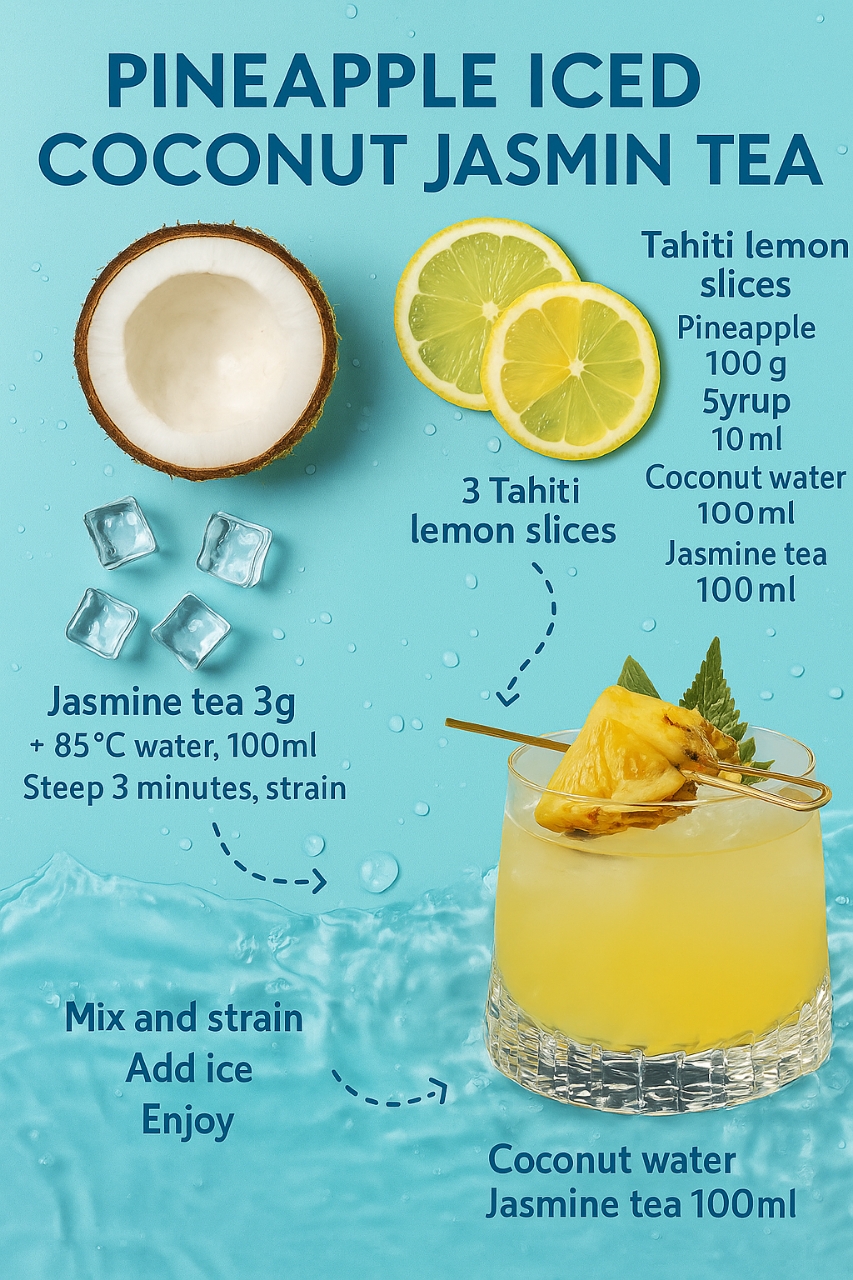
Tastes like a beach vacation. The gentle floral aroma of jasmine tea floats through a tropical mix of juicy pineapple and cooling coconut water. It tastes just like a pineapple cocktail — but without the alcohol, so you can enjoy it all day long. Super refreshing and delicious!
Pineapple is also perfect for replenishing energy after a workout, and it pairs beautifully with jasmine tea.
How to make:
Brew 3g of jasmine tea with 100ml of water at 85°C for 3 minutes, then strain.
Blend 100g pineapple, 3 slices Tahiti lime, 10ml syrup, 100ml coconut water, and 100ml jasmine tea.
Filter, pour over ice, and enjoy.
Explore our Jasmine Scented Tea
-
 Hengxian Jasmine Scented Tea
$30.00 – $84.00
Hengxian Jasmine Scented Tea
$30.00 – $84.00
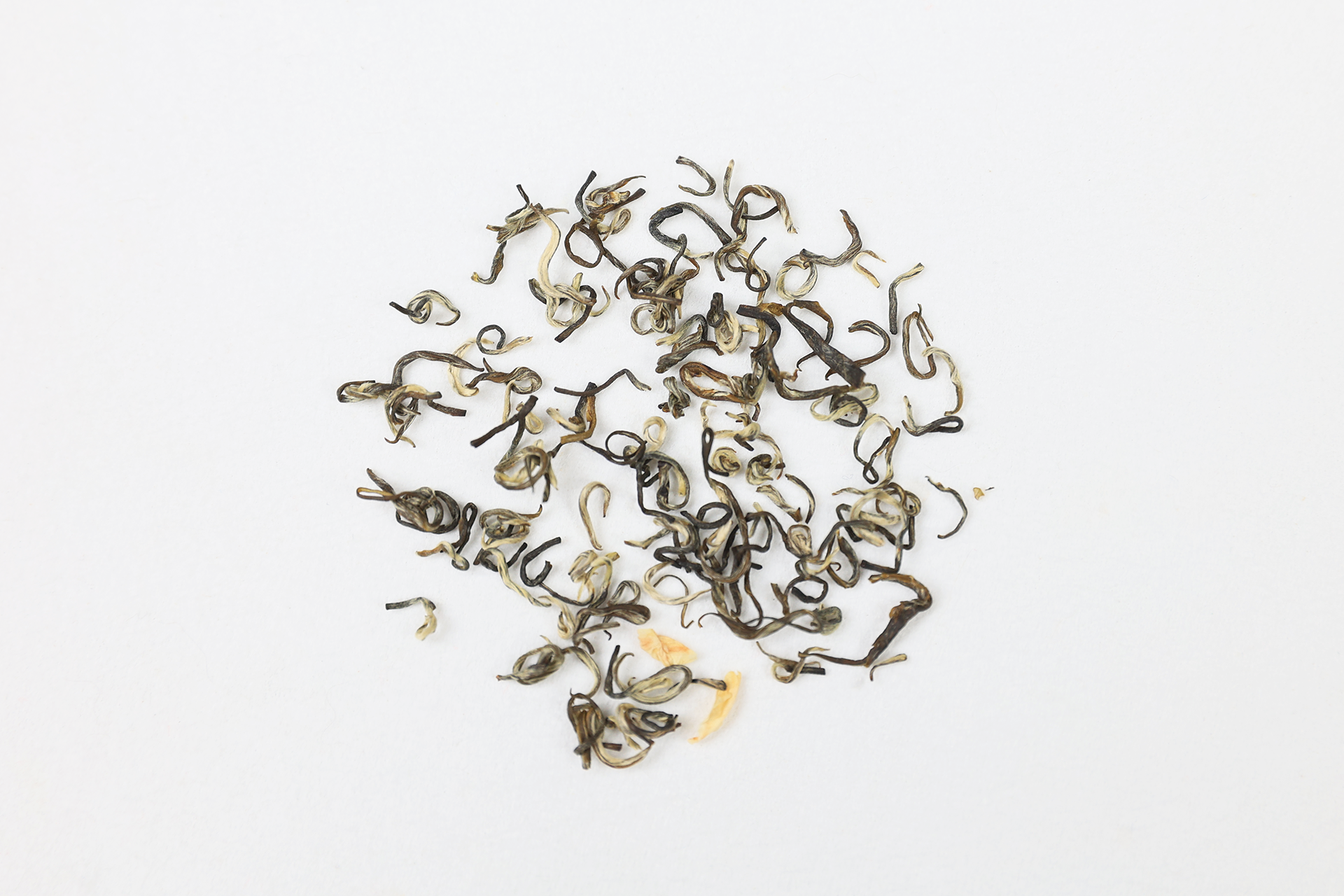
TOP2. Lemon Rock Oolong
Best when you want a brighter fruit tea with citrus freshness and roasted tea depth.
Tea Base: Wuyi Da Hong Pao Oolong
Fruits & Ingredients: Tahiti Lemon, Syrup, Ice, Rock Tea
Flavor Profile: Bold, citrusy, energizing
This summer’s hottest drink around the world? Lemon tea — and I can confidently say, it absolutely deserves the hype.
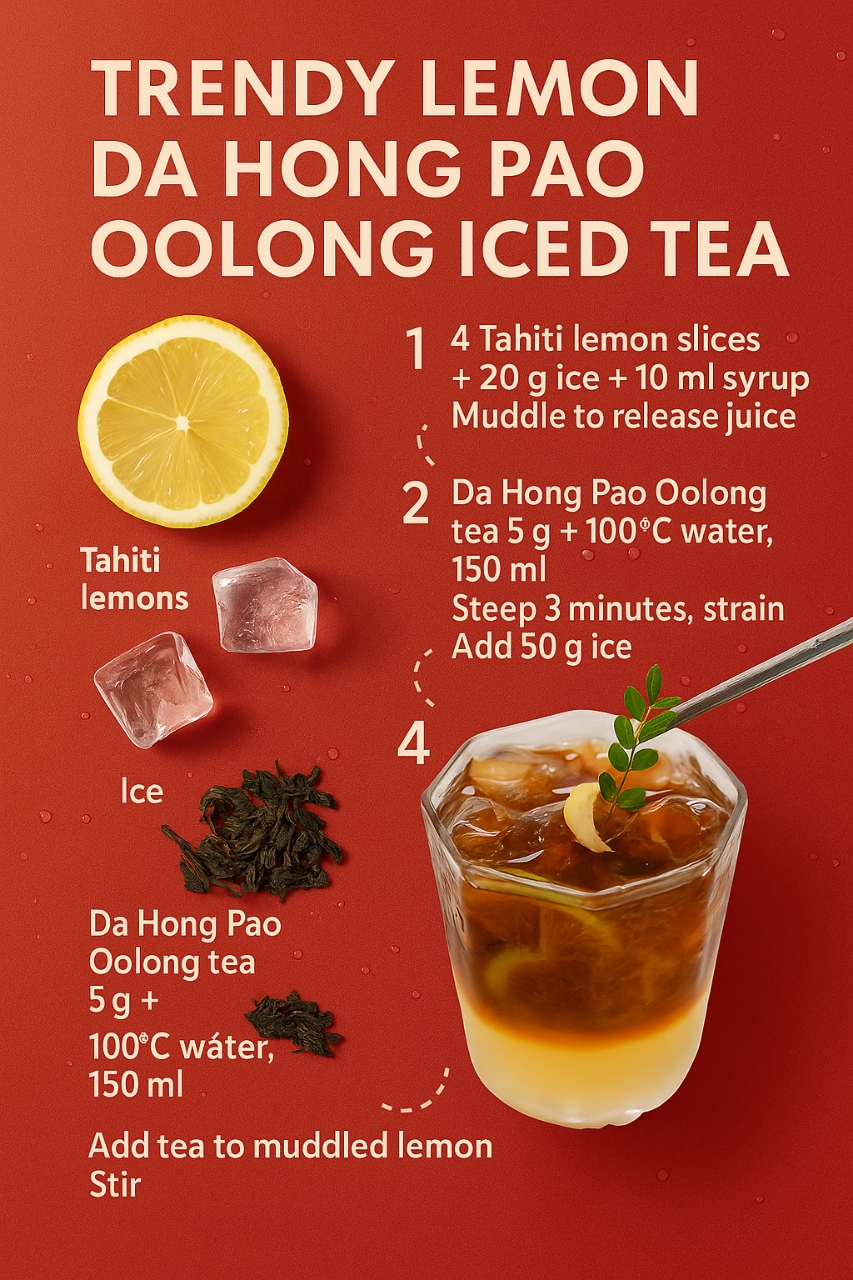
Honestly, how can something this easy to make be so healthy and refreshing? Let me share my favorite secret recipe with you: the key is using Da Hong Pao (Wuyi rock tea) as the tea base. It gives your lemon tea a deeper, richer body. When that bold oolong flavor meets freshly muddled lemon… the aroma is simply irresistible.
How to make:
Muddle 4 slices of Tahiti lemon with 20g ice and 10ml syrup.
Brew 5g Da Hong Pao tea with 150ml water at 100°C for 3 minutes, strain.
Add 50g ice and mix lemon juice with oolong tea. Stir and serve.
-
Da Hong Pao
Rated 4.00 out of 5$26.00 – $62.00
TOP3. Summer Iced Watermelon Black Tea
Best when you want a juicy, easy summer tea with a fuller tea base.
Tea Base: Tongmu Lapsang Souchong (Black Tea)
Fruits & Ingredients: Fresh watermelon, Syrup, Ice, Black Tea
Flavor Profile: Sweet, juicy, cooling
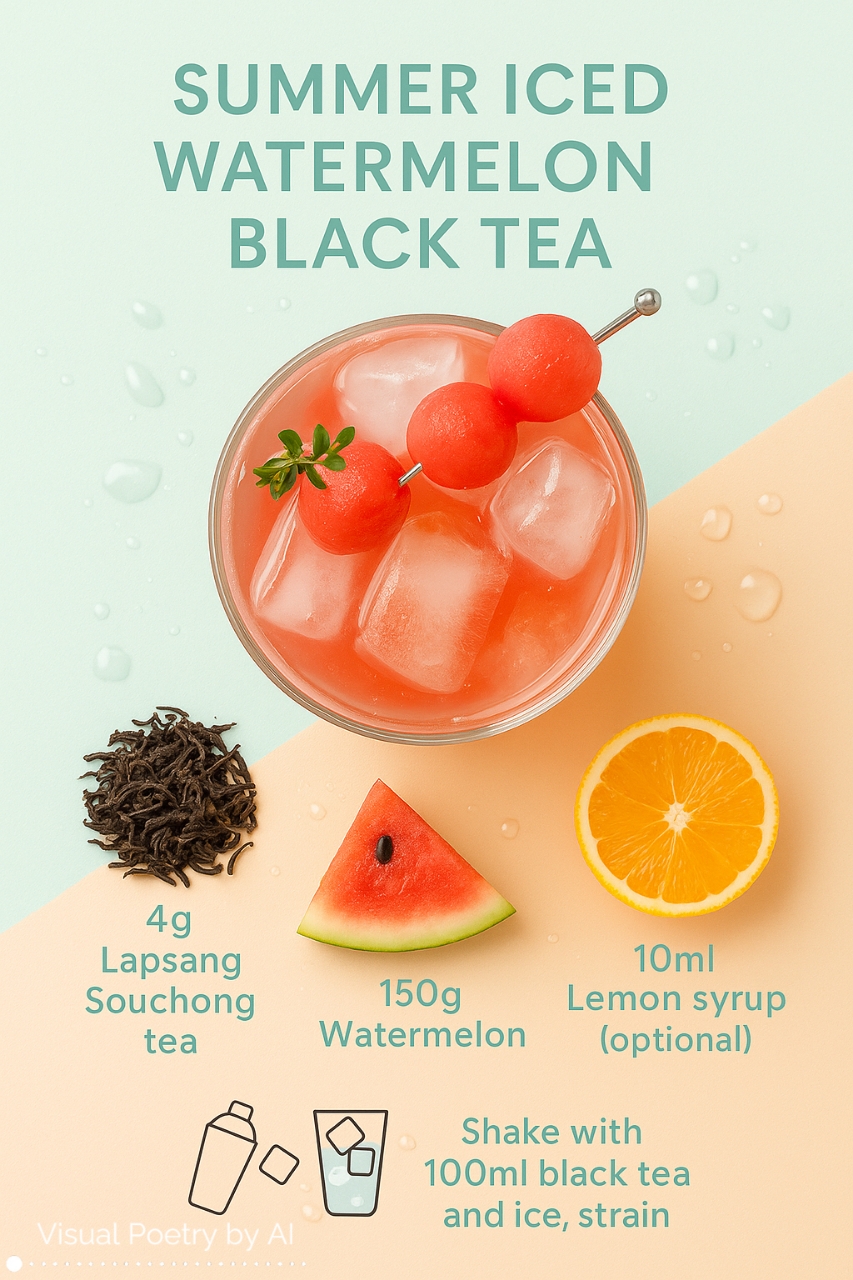
Black tea gives watermelon enough depth to keep the drink from tasting thin or watery. This stunning pink watermelon black tea is bright, juicy, and refreshing.
That juicy, vibrant color still makes it feel special, but the fragrant black tea base gives the drink a fuller, more balanced taste.
How to make:
Brew 5g Lapsang Souchong with 150ml water at 90°C for 3 minutes, strain.
Blend 150g fresh watermelon with 10ml syrup.
Mix with 100ml black tea, strain, and pour over ice.
-
Tongmu Floral Fragrance Souchong
$25.00 – $62.00
Common Mistakes When Making Chinese Fruit Tea
1. Ignoring the tea-to-water ratio
Too much tea can make the drink heavy, bitter, or drying, while too little tea may disappear once fruit, juice, and ice are added. The tea base should be slightly more concentrated than everyday drinking tea, but still balanced.
2. Choosing a tea that becomes bitter too easily
Some teas are less forgiving when brewed strongly or left to steep for too long. When making fruit tea, choose a tea with enough aroma and structure, but avoid creating a base that is already sharp or astringent before the fruit is added.
3. Pairing a bitter tea with overly acidic fruit
A strongly roasted, bitter, or astringent tea combined with very sour fruit can make the drink taste too sharp. Acidity should brighten the tea, not amplify bitterness or dryness.
4. Adding fresh fruit while the tea is still hot
Heat can soften fresh fruit, reduce its bright aroma, and sometimes make the drink cloudy. Brew the tea first, let it cool, and add the fruit afterward.
5. Using too much syrup or juice
Too much sweetness or concentrated juice can cover the character of the tea. Fruit and sweetness should support the tea base rather than turn the drink into a flavored sugary beverage.
6. Adding unstrained fresh juice directly to the tea
Freshly squeezed juice is best strained before being added. Too much pulp, fiber, or crushed fruit can make the drink muddy, heavy, or uneven in texture.
Which One Will You Brew First?
Summer doesn’t have to be sticky and dull. These three healthy, refreshing fruity teas are easy to make right at home — and they taste as good as they look! Say goodbye to sugar-packed drinks and hello to vibrant, tea-based refreshers that are perfect for sunny afternoons, post-workout cool-downs, or just a little moment of joy in your day.
Save this blog, try a recipe, and let us know your favorite. Have a fruity tea recipe of your own? Share it with us by tagging @teaviews on Instagram or Facebook or X— we love surprises, and you might get one too.
✨ Want to unlock even more summer fruit tea ideas? Check out our YouTube short featuring 6 fruity summer teas you can make at home: Watch now
Craving something cozy instead? You might also love our Hot Orange Black Tea — click here to see the recipe.
FAQ
· What is Chinese fruit tea?
Chinese fruit tea combines brewed tea with fresh fruit, citrus, coconut water, juice, or ice.
· What tea is best for Chinese fruit tea?
Jasmine tea, white tea, black tea, and oolong all work, depending on the fruit and the flavor you want.
· How do you make Chinese fruit tea at home?
Brew the tea separately, chill it, then add fruit, juice, syrup, or coconut water.
· Can jasmine tea be used for fruit tea?
Yes. Jasmine tea works especially well with peach, lychee, pineapple, strawberry, and citrus.
· Should fruit be added before or after brewing?
Add fruit after the tea has been brewed and chilled. Long contact between tea leaves and fresh fruit can make the drink cloudy, sour, or bitter.
Stay cool~
Brew joy and tea.