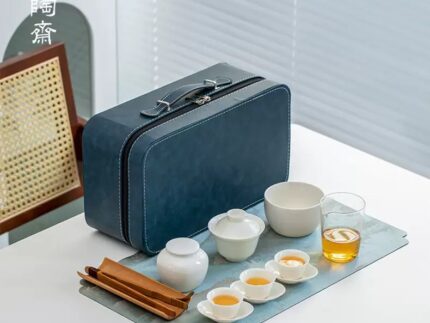
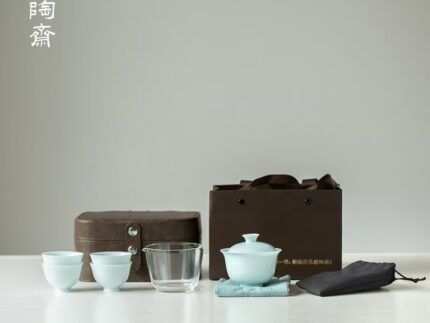

































Yancha Baseline Set – Huang Guan Yin, Que She & Fo Shou
Rated 4.00 out of 5 based on 1 customer rating
(1 customer review)$37.00
A structured starting point for understanding Wuyi rock tea, suitable for beginners yet valuable as a daily reference.
- Medium roast structural reference
- Designed for brewing clarity
- Huang Guan Yin centered tasting set
- For learning Wuyi rock tea balance
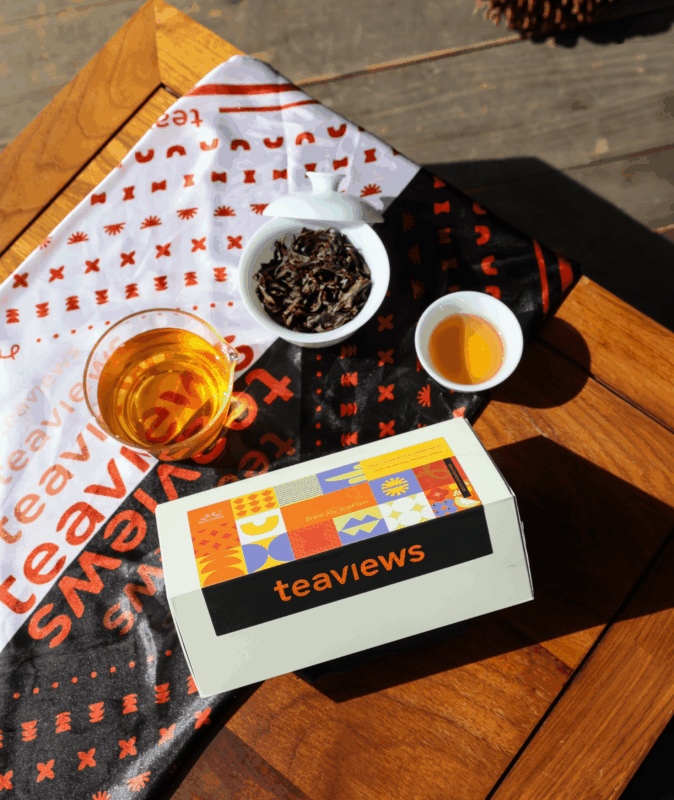
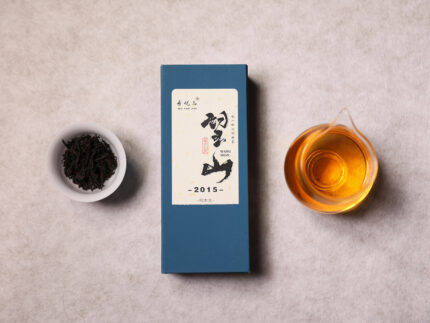
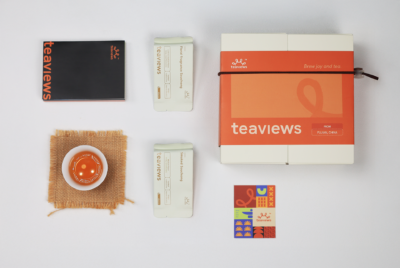
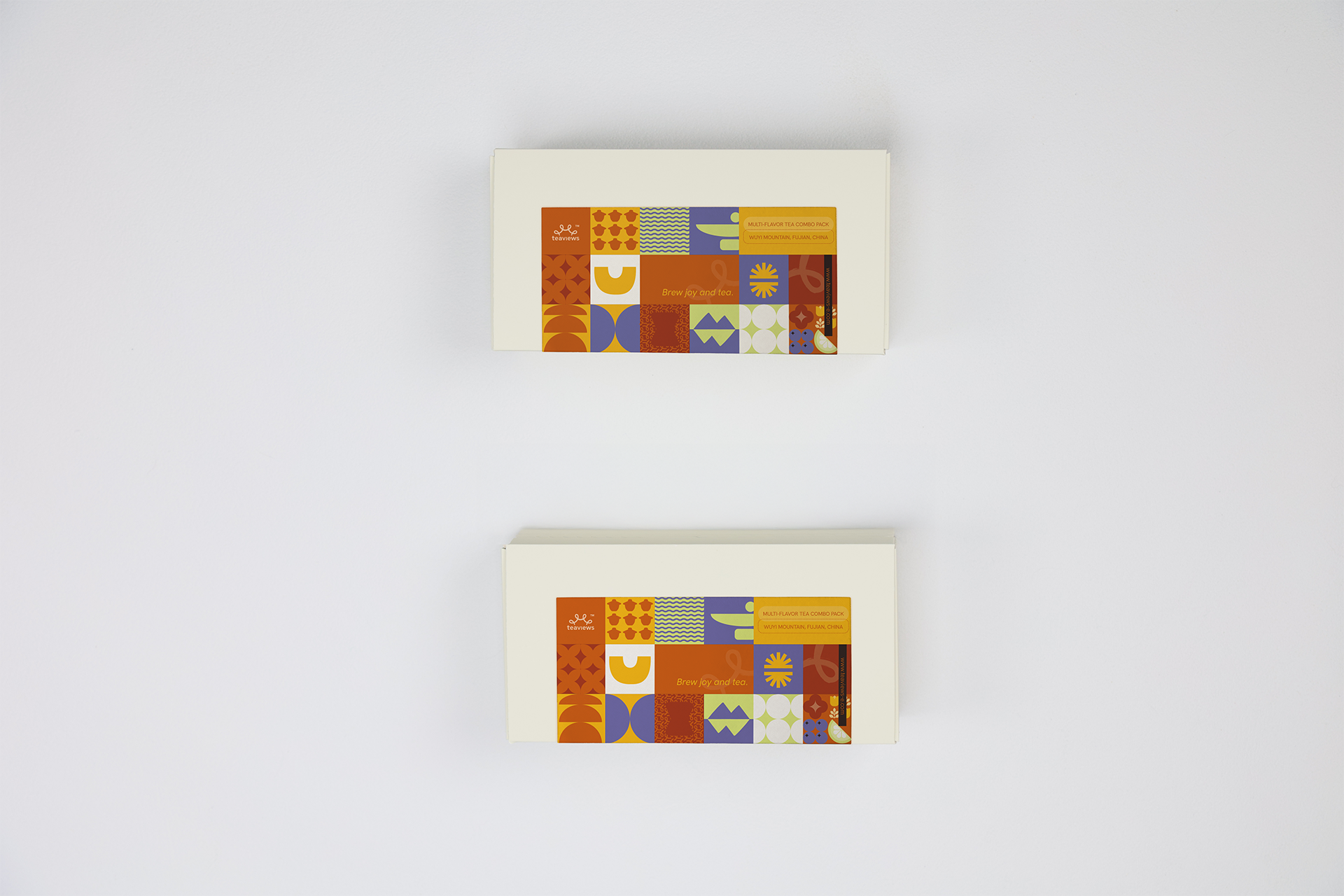
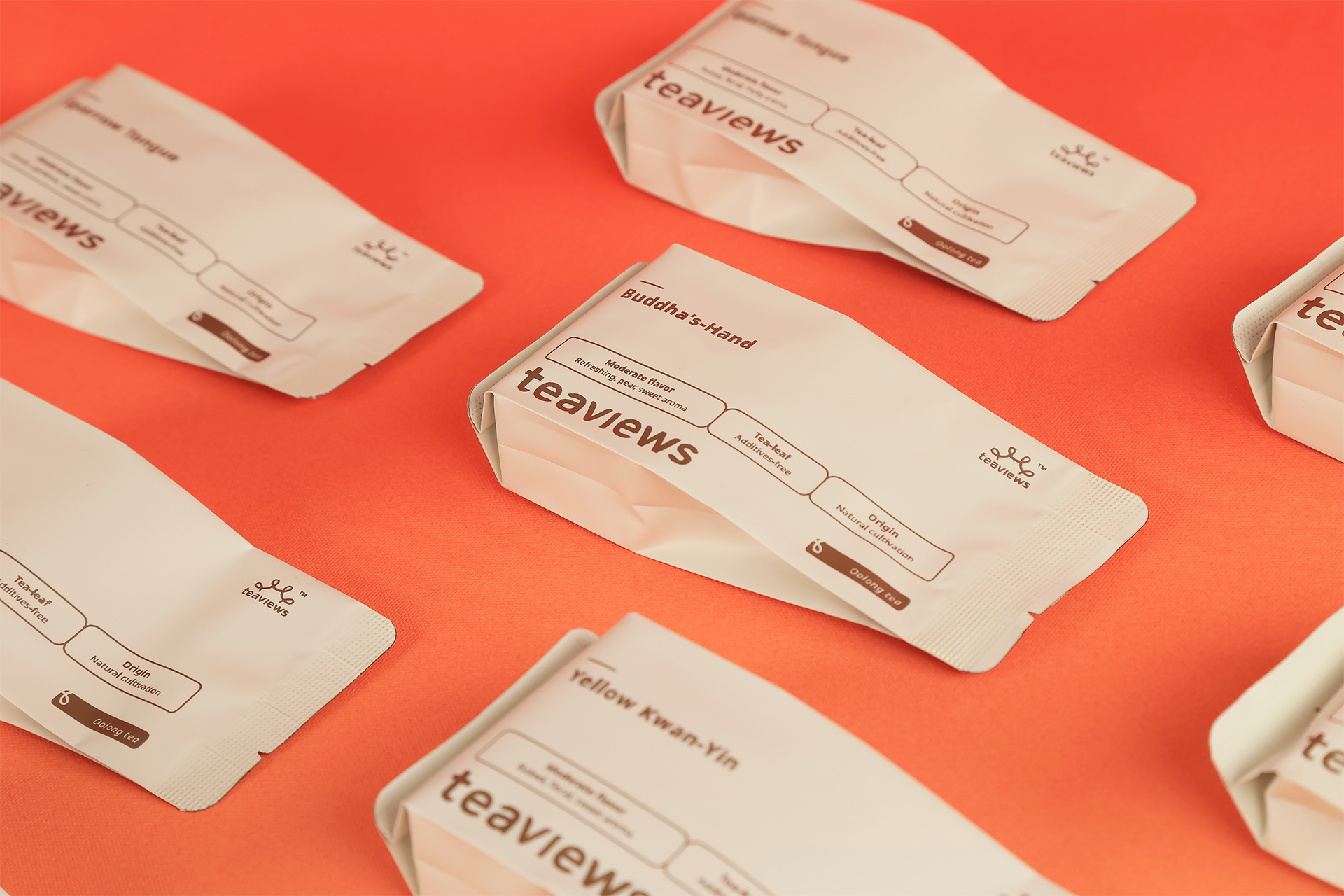
Origin: Wuyi Mountain, Fujian, China Core reference tea: Huang Guan Yin (Yellow-Kuanyin) 8g*4 Supporting varieties: Que She (Sparrow’s Tongue) 8g, Fo Shou (Buddha’s Hand) 8g Producer: Inheritor of intangible cultural heritage, Liu Dexi. Harvested year: 2024 Box: 48g
* All brand products available on Teaviews are officially authorized by their respective brand owners. All product images are actual shots and free from any post-production retouches.

| Tea package |
Box ,48g |
|---|
Secure checkout available via

SKU:
tv-e-xpz-c-02
Categories: Fresh & Calming, Oolong Tea
Tags: After Meal, Best seller, Cozy Night, Fo Shou, Gongfu Brewing, Huang Guan Yin, Medium Roast Oolong, Que She, Rare varieties, Rock tea, Rock Tea for Beginners, Teaviews Choice, Yancha
Description
Quick Intro
Classic Wuyi Rock Tea · Clear Flavor Contrast · Easier Everyday Brewing
A Daily Baseline Reference For Classic Wuyi Rock Tea
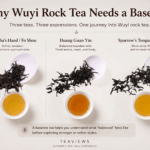
Yancha Baseline Set brings together three carefully selected cultivars — Huang Guan Yin (Yellow-Kuanyin), Que She (Sparrow’s Tongue), and Fo Shou (Buddha’s Hand) — to demonstrate how roast level, leaf structure, and brewing parameters shape flavor.
Rather than offering three similar teas, the set creates controlled contrast around a stable reference point, making Wuyi rock tea easier to understand and brew consistently
What makes it special?
> Structural Overview
Yancha Baseline Set is built around structural contrast. This set highlights structural contrast within classic Wuyi rock tea. At the center is Huang Guan Yin — the reference point. Que She introduces intensity and sharper mineral expression. Fo Shou offers a softer, sweeter interpretation with lighter fire.
Together, they create a controlled tasting comparison.
> Structural Roles Within the Set
Huang Guan Yin 8g*4 – The Baseline Reference
• Medium roast balance
• Controlled floral aroma
• Moderate body & Sweet fruit character
• Forgiving brewing tolerance
It defines what stable rock tea should feel like.
Que She 8g – The Intensity Contrast
• Stronger floral projection: Gardenia flower
• Sharper mineral structure
• Higher sensitivity to over-extraction
It reveals how increased structural intensity affects bitterness and clarity.
Fo Shou 8g – The Softer Expression
• Lighter roast warmth
• Snow pear-like freshness
• Rounder mouthfeel
It demonstrates how lighter fire shifts perception toward sweetness.
> Baseline Flavor Reference
• Huang Guan Yin
Sweet
2
Fresh
3
Intensity
4
Evolving Experience
3
• Que She
Sweet
3
Fresh
4
Intensity
3
Evolving Experience
3
• Fo Shou
Sweet
3
Fresh
4
Intensity
3
Evolving Experience
4
> Structural Comparison at a Glance
Tea | Roast | Structure | Brewing Sensitivity | Perceived Sweetness | Best For |
|---|---|---|---|---|---|
Huang Guan Yin | Medium | Balanced | Moderate | Moderate | Daily reference |
Que She | Medium-leaning Intense | Strong / Mineral | Higher | Lower | Focused brewing |
Fo Shou | Lighter Roast | Softer / Round | Lower | Higher | Relaxed sessions |
> Brewing Behavior
When brewed under identical parameters, each tea responds differently — revealing how structure affects flavor outcome.
• Huang Guan Yin (Reference)
Stable and moderate. Tolerates minor timing variations without harsh bitterness.
• Que She
Higher structural intensity. Requires shorter infusions to prevent excessive astringency.
• Fo Shou
Softer and sweeter. More forgiving under longer infusions.
Understanding these differences allows you to control extraction with confidence.
1. Begin with the Yancha Baseline Set to understand Wuyi structure and contrast.
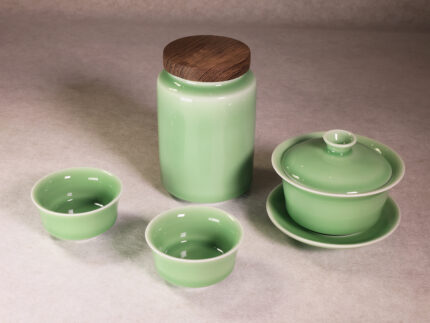
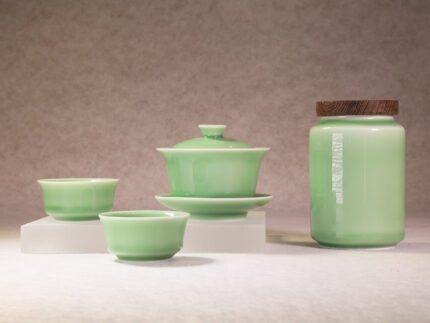
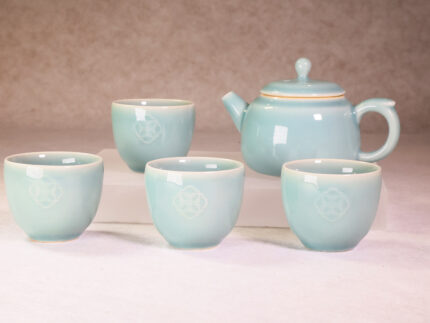
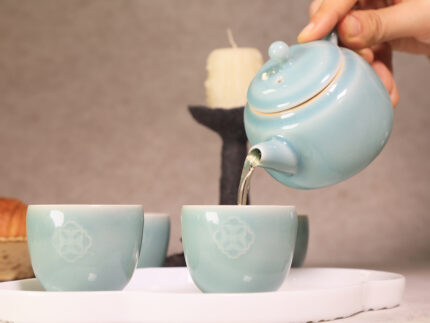
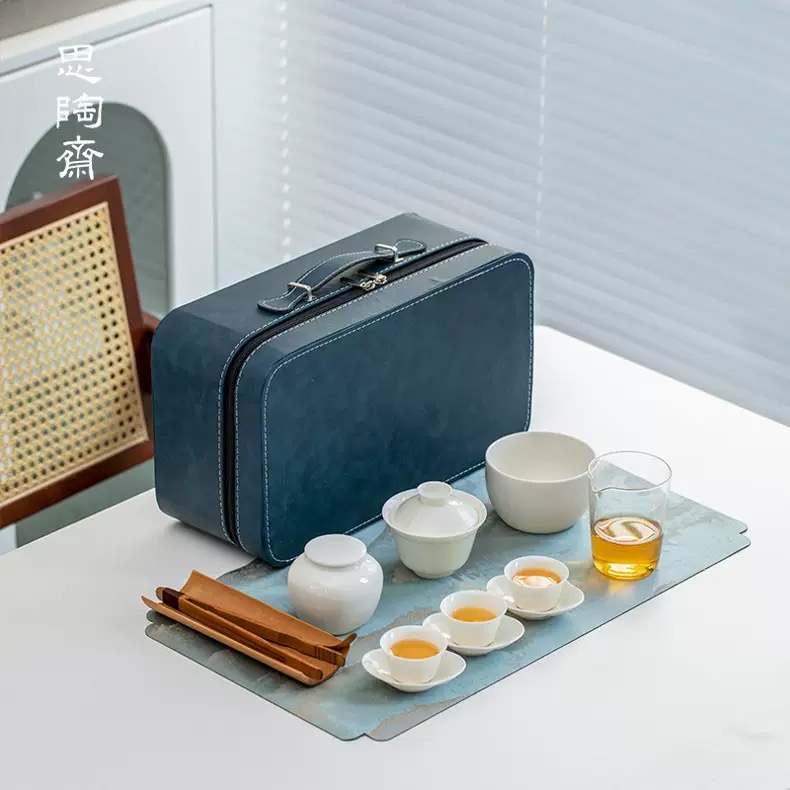
2. Use a neutral porcelain gongfu set to control heat and pouring.
Together, they create a stable starting point for learning rock tea with confidence.
• For stable results, use a 100–120ml porcelain gaiwan.
• This set is designed around 5–8g sessions in a 100–120ml gaiwan.
• Using larger western-style teaware may dilute structure and reduce contrast.
This set is recommended for:
• Beginners seeking a structured entry into Wuyi rock tea
• Drinkers who want to understand roast and mineral balance
• Daily gongfu practice without extreme intensity
• Those learning how brewing variables affect flavor outcome
It is not designed as a rare collector’s set, but as a practical reference for building stable brewing habits.
• Functional ingredients
Tea polyphenols
Caffeine
Amino acids
– Contains natural caffeine and tea polyphenols typical of medium-roasted oolong tea.
– Perceived stimulation depends on infusion strength and individual sensitivity.
Huang Guan Yin ( Yellow-Kuanyin )
Huang Guan Yin is a contemporary Wuyi cultivar known for its stable structure and pronounced aroma potential. In this set, it functions as the reference point.
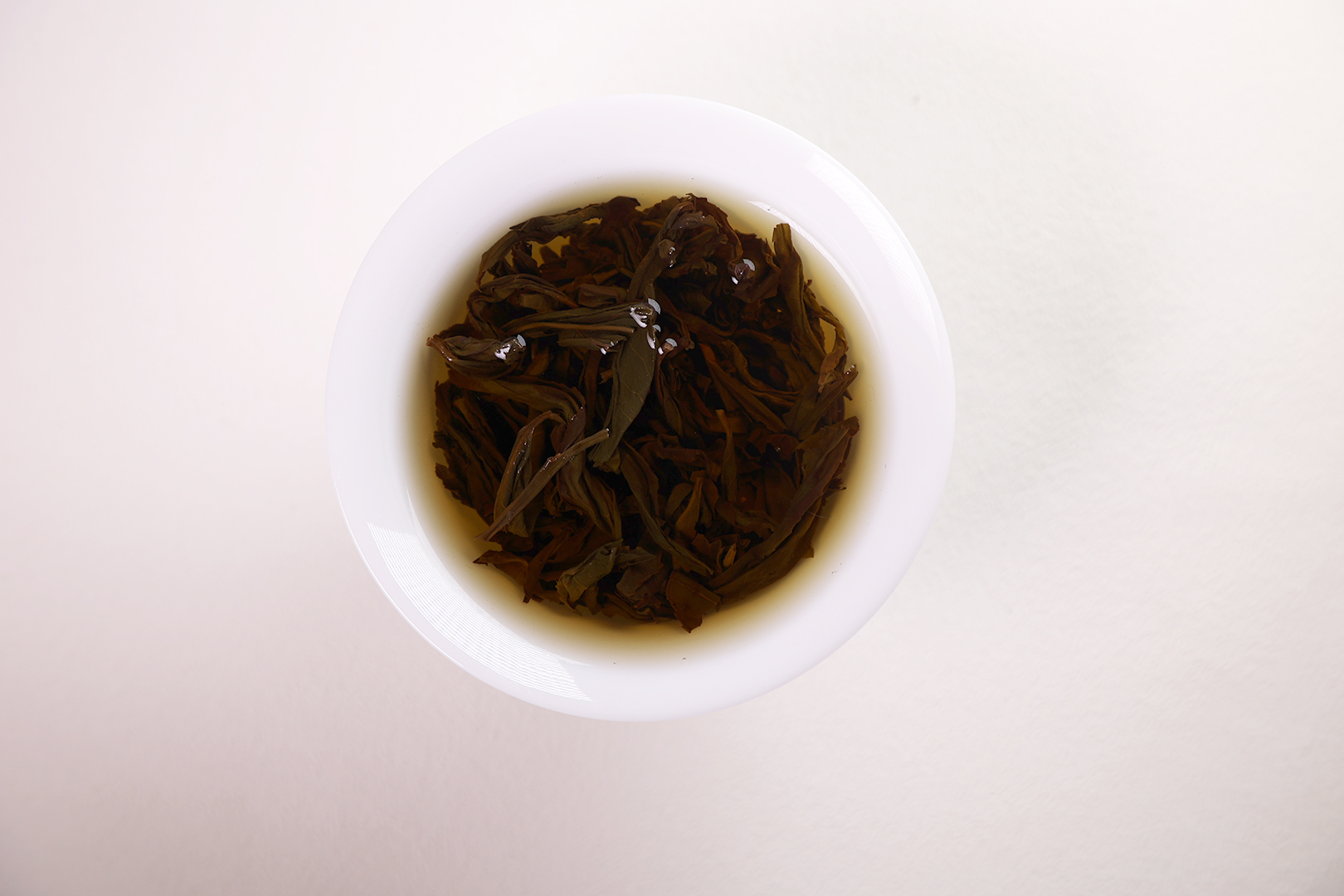
Under medium-light roast, it expresses layered floral and subtle fruit tones, evolving gradually through multiple infusions. The aroma tends to remain controlled rather than sharp, with a steady finish.
Its moderate structural intensity makes it relatively forgiving under gongfu brewing, allowing drinkers to observe balance before exploring contrast.
Que She ( Sparrow’s Tongue )
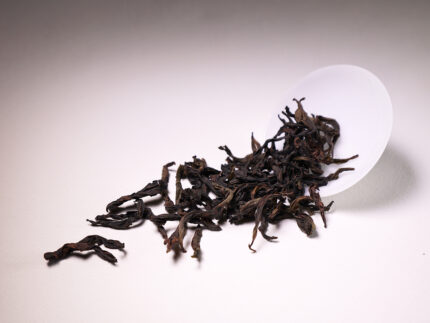
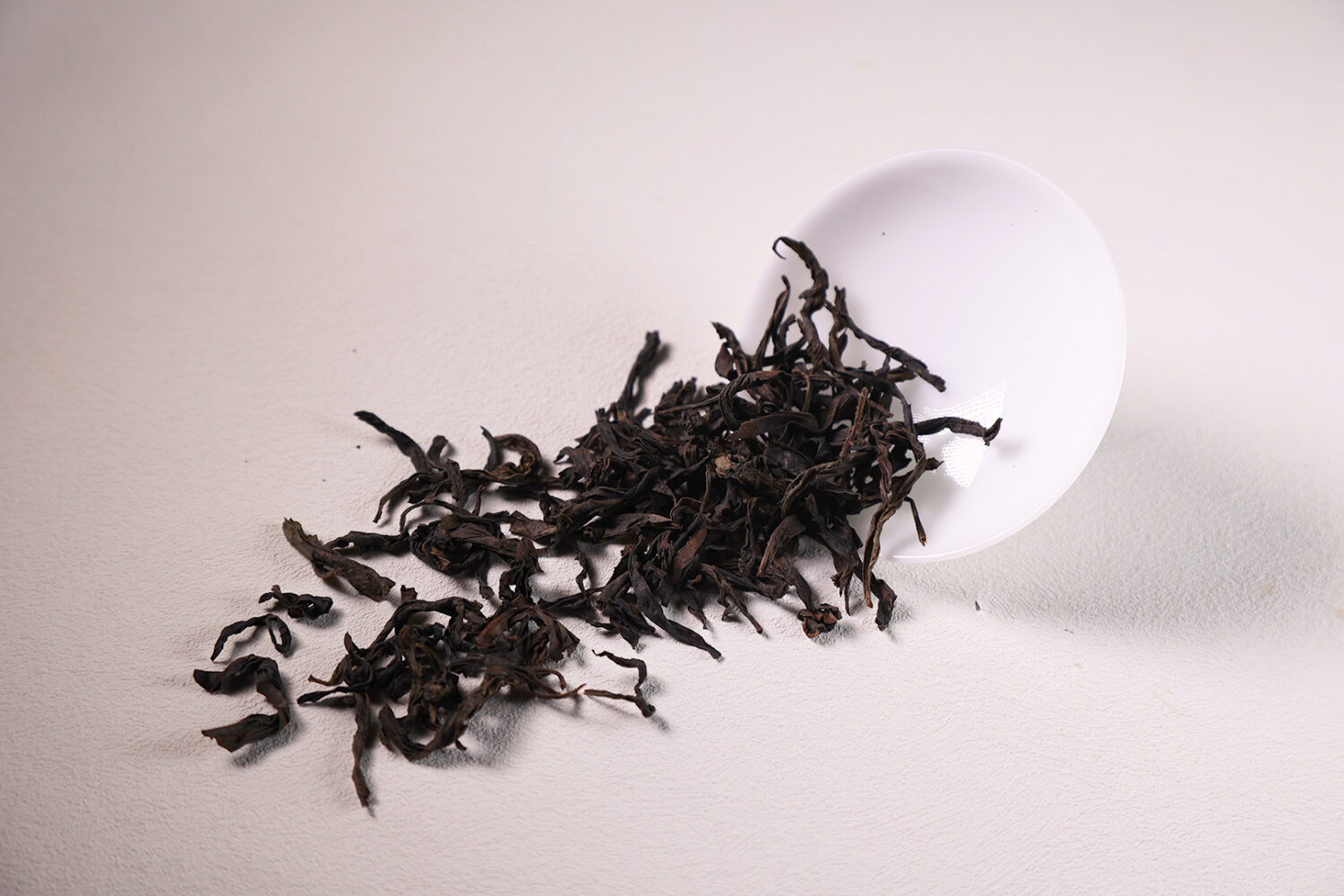
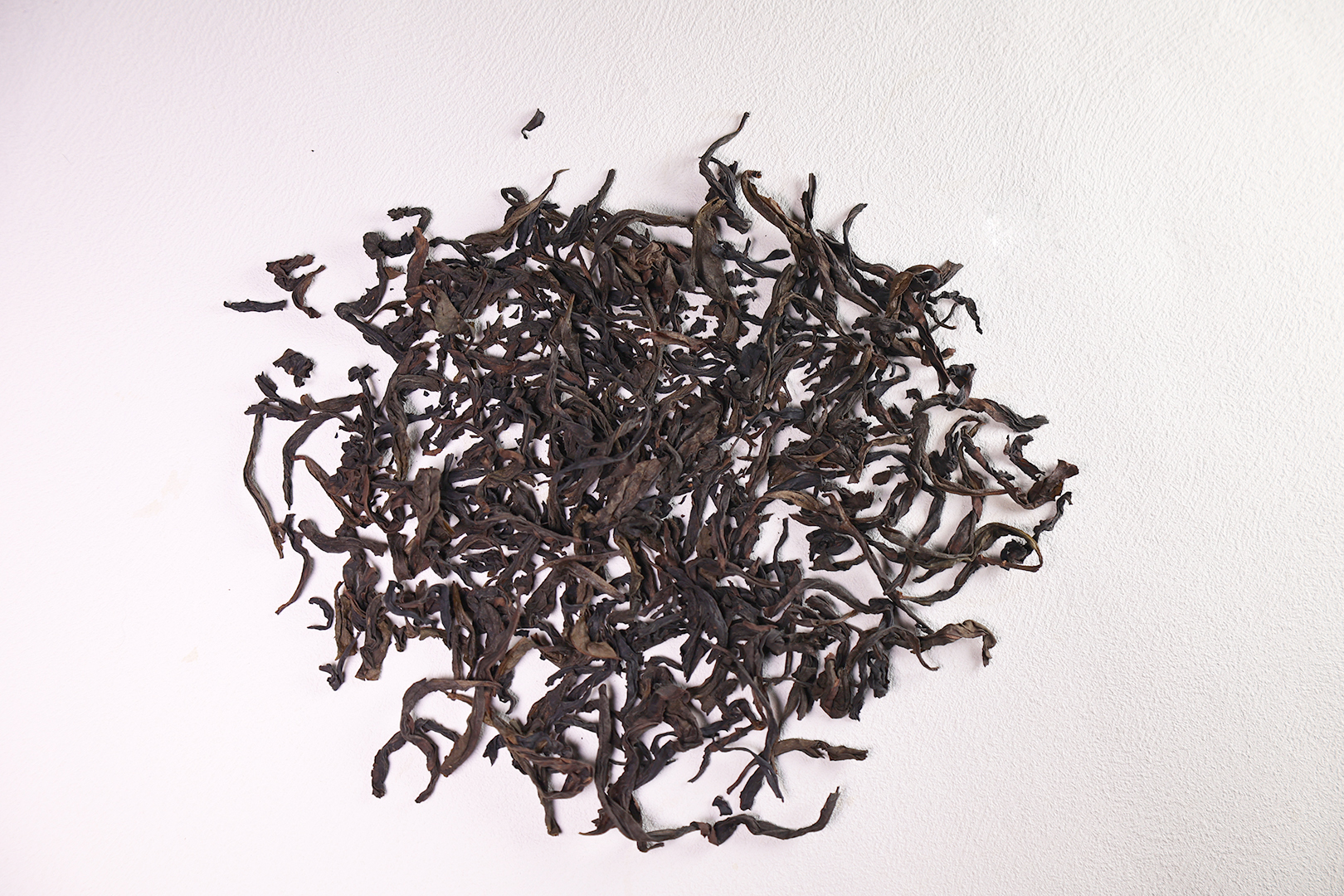
Que She is a small-leaf varietal native to the Wuyi region, recognizable by its compact, serrated leaves.
Compared to Huang Guan Yin, it carries stronger mineral structure and a more assertive floral lift. When brewed carefully, its aroma can shift from gardenia-like florals to creamy and citrus-like nuances as the session progresses.
However, its higher structural intensity makes it more sensitive to over-extraction, demonstrating how brewing precision directly affects perceived bitterness.
Fo Shou ( Buddha’s Hand )
Fo Shou is distinguished by its larger leaf structure and naturally round aromatic profile.
In rock tea production, it often shows a sweeter entry and softer mouthfeel, especially under lighter roast. Subtle fruit notes, reminiscent of snow pear, appear beneath its warm roast character.
Its broader leaf structure tends to produce a smoother infusion, making it more tolerant of extended steeping compared to structurally intense varietals.
• As a daily reference for classic Wuyi flavor
• To understand how roast and mineral structure influence balance
• For a steady, grounded experience without sharp intensity
• For moderate stimulation suitable for extended sessions
• Often enjoyed after meals for its clean, composed finish
It serves as a stable reference before exploring more intense rock tea expressions.
Is this set a good place to start with Wuyi rock tea?
Yes.
If you’re unsure which Wuyi rock tea suits you, this set provides a stable reference before moving into stronger expressions.
Huang Guan Yin offers balance, while Que She and Fo Shou show how intensity can shift in different directions.
It reduces guesswork and builds clarity.
If you’re unsure which Wuyi rock tea suits you, this set provides a stable reference before moving into stronger expressions.
Huang Guan Yin offers balance, while Que She and Fo Shou show how intensity can shift in different directions.
It reduces guesswork and builds clarity.
I’ve tried rock tea before and found it too bitter. Should I try this?
Rock tea often tastes bitter when it is over-extracted.
Even a few extra seconds of steeping can increase astringency.
This set is structured to help you understand how small adjustments in infusion time change the outcome. With shorter steeps, bitterness is significantly reduced.
Will this tea feel too strong or heavy?
Most drinkers experience it as balanced rather than aggressive.
It has structure, but not extreme intensity.
If you prefer lighter teas, start with shorter infusions and gradually adjust.
Is the caffeine level high?
Wuyi rock tea contains a moderate level of caffeine, comparable to other oolong teas.
Perceived strength usually relates more to roast and structure than caffeine alone.
If you are caffeine-sensitive, use shorter infusions and avoid late evening sessions.
What situations is this set best for?
Rock tea is often enjoyed:
• After meals
• In the late afternoon
• During focused work or study
• In cooler seasons
It offers steady stimulation with a composed finish.
What does “mineral taste” mean in rock tea?
Mineral character does not mean saltiness.
It refers to a structured, slightly drying sensation in the mouth, often followed by returning sweetness.
This tactile quality is part of what defines classic Wuyi rock tea.
Why are there two names on the teas?
Some Wuyi tea cultivars are known by their original Chinese pinyin names (Huang Guan Yin, Que She, Fo Shou) and by English translations (Yellow Kwan-Yin, Sparrow’s Tongue, Buddha’s Hand).
They refer to the same variety.
You may see the translated name on the packaging, while we use the original pinyin names as primary references online for clarity and consistency.
(*This tea does not promise to change your body. It simply offers a quiet moment for you to listen to it.)
How to create the perfect cup of tea
Brewing is flexible. Feel free to adjust it to your taste. If you’d like to explore gongfu brewing, try our recommended method below—you may discover a different side of the tea.
Hot Brew

Boiling water

Gaiwan

8g (0.28oz)

110ml

Up to 7 infusions
After adding the hot water, decant the tea immediately.
3- Stages of Gongfu Brewing


Warm the gaiwan or teapot
Add the tea leaves to the brewing vessel
Gently shake the leaves to release their aroma


Pour 100°C hot water gently along the side of the gaiwan
Pour from high or low, depending on your preference
Quickly pour the tea into a sharing pitcher (fairness pitcher)


First, enjoy the aroma of the tea liquor
Take a slow sip
Enjoy the lingering aroma in the empty cup
A Structured Ritual for Everyday Focus

A Quiet Structure in the Cup
Gongfu brewing slows the moment.
Medium-roast Yancha unfolds in steady layers.
Balanced, mineral, and grounding
— a daily ritual for clear focus.
Where Rock Tea Begins
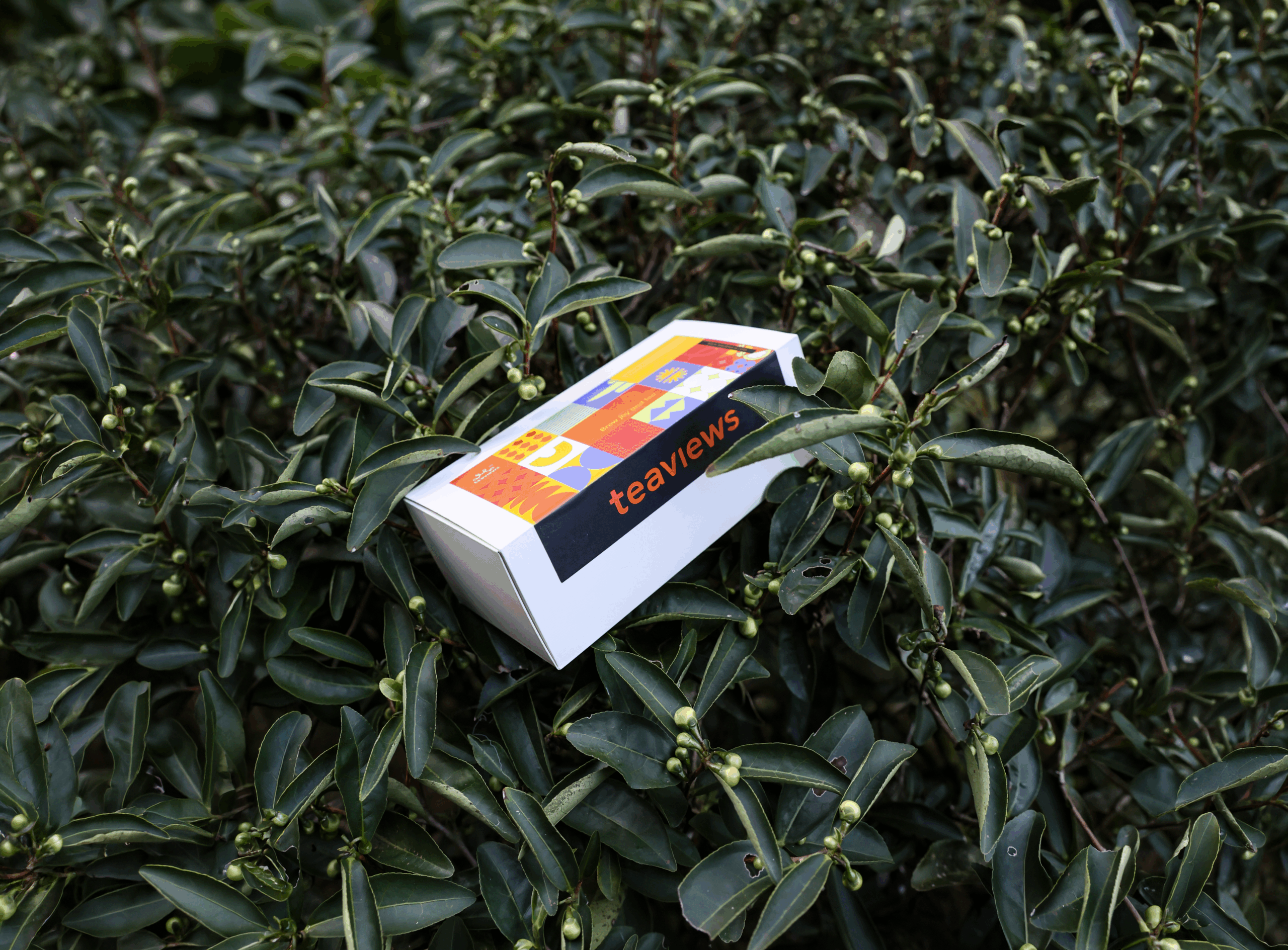
Grown among the cliffs of Wuyi.
Cultivars shaped by mountain soil and slow roasting.
A tasting set to explore
the structure of classic Yancha.

From Our Drinkers...
What I loved most is how different each tea feels. Every one has its own character and flavour. Some are soft and floral while others are deeper and more earthy or slightly sweet. None of them taste the same and that makes the experience really enjoyable.

As someone new to rock tea, I liked being able to compare three teas side by side. The differences were easier to notice than I expected, and the set made Wuyi tea feel much less confusing.

I’d tried rock tea before, but in my teapot it often came out bitter and too strong. I honestly thought that was just how rock tea tasted. This set made me give it another try, and it was much smoother than I expected. I could taste the roast, sweetness, and the differences between the teas — even from a teapot.

Your Cup Makes a Difference
We're committed to building a sustainable ecosystem of diverse tea gene varieties with tea lovers and farmers, and initiating the Minor Tea Variety Protection Plan. Come and try our scarce variety combination! One box, three flavors, filled with wild stories waiting for you to explore. ($0.25 from each purchase goes to the cultivation of minor tea varieties.)

About Us
Hi, tea lovers!
At Teaviews, we believe tea should feel close, not distant. Inspired by years spent learning in the tea mountains of Wuyi, we bring teas rooted in tradition into everyday life.
We work with tea makers in Wuyi, Tongmu, and other historic regions to select teas that are versatile, approachable, and true to their origin. Each cup is designed to fit your routine—whether you enjoy it hot or cold, alone or with friends—so that drinking tea becomes a small, joyful ritual.
Because the best tea isn’t always the rarest—it’s the one you come back to.
Brew Joy and Tea.
Reviews (1)
1 review for Yancha Baseline Set – Huang Guan Yin, Que She & Fo Shou
Add a review Cancel reply
You must be logged in to post a review.
Shipping & Delivery
Schematic Diagram of Overseas Direct Mail Process
Customers place orders
Confirm the address/ information
Confirm the order
Warehouse packing and shipping
The estimated time is 2 to 5 days
Overseas transportation
The customer signs for the goods
The estimated time is 2 to 3 days
Jomesul
transportation
The estimated time is 2 to 3 days
Customs clearance
The estimated time is 2 to 3 days
Customers place orders
Confirm the address/ information
Confirm the order
Warehouse packing and shipping
The estimated time is 2 to 5 days
Overseas transportation
The estimated time is 2 to 5 days
Customs clearance
The estimated time is 2 to 5 days
Jomesul
transportation
The estimated time is 2 to 5 days
The customer signs for the goods
Normally, it is estimated that the goods will be delivered within about 7 – 15 days from the time the customer places an order to the time of receipt.
(In case of weekends, legal holidays, or weather issues, the logistics timeliness may be delayed. In addition, if redelivery is caused by customer – related problems, the specific arrival time may also be postponed. For the exact arrival time, please consult our online customer service.)
*For more information about logistics, please click here: Shipping& Return Policy.
* Customs clearance: Due to CC direct mail via customs, which must meet personal use requirements. There is an upper limit on the quantity for each customs clearance. If a large quantity is ordered for similar addresses, the goods will be shipped separately, and the merchant will not be liable for any shipping delays.
Related products
Hot

Select options
This product has multiple variants. The options may be chosen on the product page
Hot

Select options
This product has multiple variants. The options may be chosen on the product page


makeithappen11183 –
I had been curious about Wuyi tea for a while after seeing people talk about it on Reddit, but I kept putting it off because I thought I would brew it badly. This set made the process feel much simpler. Comparing three teas side by side helped me notice the differences without getting lost, and it ended up being one of the most enjoyable tea purchases I’ve made. The tea was smooth with a subtle earthy flavor, and the aroma was quite soothing without being overpowering.Overall, I’m really glad I gave it a try!