

















Why Does Lapsang Souchong Taste Different Around the World?

Understanding Tongmu Village, Smoked Lapsang Souchong,
and Modern Chinese Black Tea (Zhengshan Xiaozhong)
A tea friend from the UK asked me a question recently:
“Why does the Lapsang Souchong I buy here taste completely different from the tea I drank in China?”
I wasn’t surprised.
Over the years, I’ve heard versions of the same question from tea drinkers in different countries. Many people first encounter Lapsang Souchong as a heavily smoked black tea. Then they visit China, order Zhengshan Xiaozhong, and discover something entirely different in their cup.
Instead of smoke, they find flowers, honey sweetness, fruit notes, and a texture so gentle that they begin to wonder whether it can really be the same tea.
The short answer is yes.
The longer answer is that “Lapsang Souchong” has come to mean different things to different people. Part of the confusion comes from history, part comes from translation, and part comes from the fact that modern Chinese tea drinkers often enjoy very different styles of Zhengshan Xiaozhong from those that first became famous overseas.
Understanding the difference starts with Tongmu Village.
> Quick Answer
Not all Lapsang Souchong is smoky.
Traditional smoked Zhengshan Xiaozhong became one of the earliest and most recognizable Chinese black teas exported to Europe. As a result, many tea drinkers outside China automatically associate Zhengshan Xiaozhong with smoke.
Today, however, many tea makers in Tongmu focus on expressing the floral aromas, honey sweetness, fruit notes, and natural sweetness that come from the tea itself and the environment where it grows.
Both styles are authentic. They simply represent different expressions of the same tea tradition.
What Does Zhengshan Xiaozhong Actually Mean?
One reason this tea causes confusion is that many people assume Zhengshan Xiaozhong is the name of a flavor or even a specific variety of black tea.
Historically, it wasn’t.
The term originally referred to tea produced within the Tongmu area of the Wuyi Mountains in Fujian Province. In other words, it described an origin before it described a taste.
In traditional tea terminology, “Zhengshan” referred to tea produced within Tongmu and its surrounding core production areas. This region lies within a protected national forest ecosystem, rich in biodiversity, mountain streams, waterfalls, and forests, with an average elevation of 800 to 900 meters. By contrast, “Waishan” referred to black tea produced elsewhere using similar processing techniques.
The environment itself helped create many of the characteristics people now associate with traditional Tongmu black tea: a clear golden liquor, the sweetness of dried longan fruit, and a honey-like smoothness that lingers in the mouth.
In other words, Zhengshan Xiaozhong originally emphasized where a tea came from rather than how it tasted.
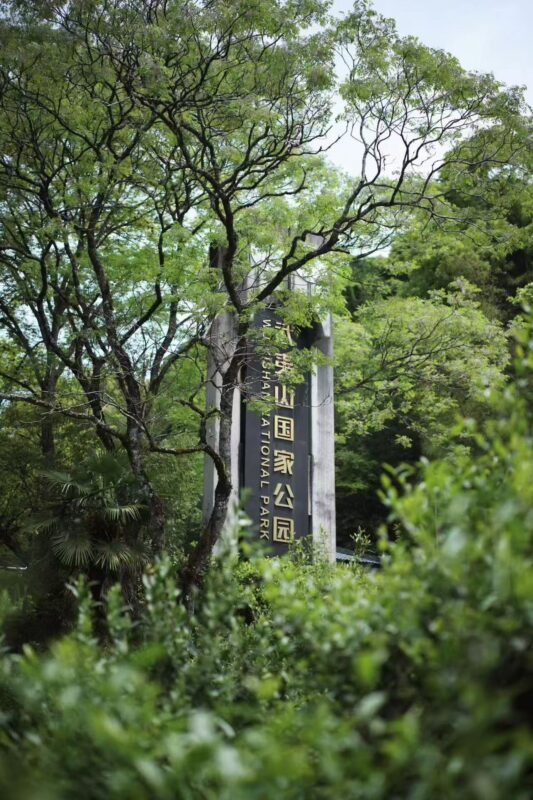
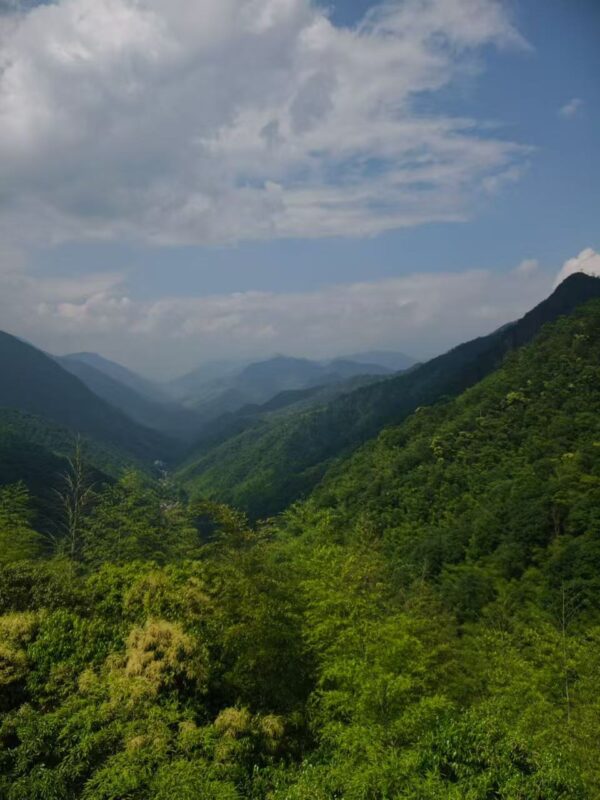
This is one reason why teas labeled “Lapsang Souchong” can taste surprisingly different today. They may come from different regions, different tea cultivars, and different production philosophies.
The name may be the same. The flavor may not be.
Today, when Chinese tea drinkers talk about Zhengshan Xiaozhong, they are often talking about the place as much as the tea itself.
Why Is Smoked Lapsang Souchong So Common Overseas?
The smoky style is not a misunderstanding. It is a real and important part of the tea’s history.
Traditional smoked Zhengshan Xiaozhong was one of the earliest Chinese black teas exported to Europe. The distinctive pine-smoked aroma made it memorable, and over time many Western tea drinkers came to associate Lapsang Souchong almost entirely with smoke.
Even today, if you order Lapsang Souchong in many tea shops across the UK, Europe, or North America, the tea you receive will often have a noticeable smoky character.
That experience is authentic. It is simply not the whole story.
The challenge is that many people outside China never encounter the other styles that developed later. As a result, they assume smoke is the defining characteristic of the tea rather than one expression of it.
Want to learn more about the traditional smoking process and history of Tongmu Lapsang Souchong? You may also enjoy: My Legend of Smoked Lapsang Souchong in Tongmu Guan
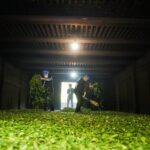
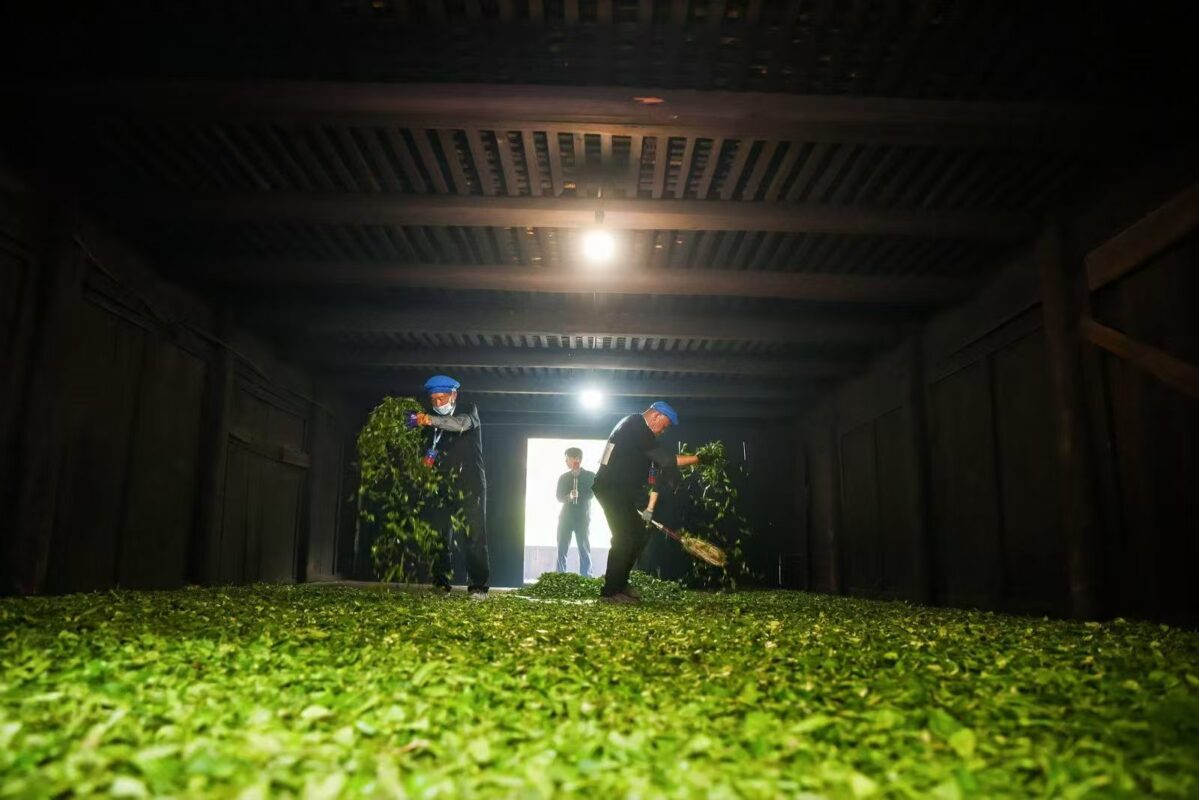
Inside a Traditional Tongmu Smoking House
Traditional smoking houses used to produce smoked Zhengshan Xiaozhong. While many modern Tongmu black teas now focus on floral and honey aromas, traditional smoking remains an important part of the tea's history.
Traditional Smoked vs Modern Tongmu Black Tea
|
Feature |
Traditional Smoked Zhengshan Xiaozhong |
Modern Tongmu Black Tea |
|---|---|---|
|
Aroma |
Pine smoke |
Floral, honey, fruit |
|
First Impression |
Bold and distinctive |
Softer and more layered |
|
Historical Role |
One of the earliest export black teas |
Contemporary origin-focused tea |
|
What Drinkers Often Notice |
Smoke-forward character |
Greater emphasis on terroir and natural sweetness |
|
Why People Choose It |
Unique smoky profile |
Expression of origin and environment |
What Most Chinese Tea Drinkers Are Drinking Today
If you visit tea shops in China today, especially those focused on origin tea, you may discover that many popular Zhengshan Xiaozhong teas are not heavily smoked at all.
Instead, tea makers often focus on expressing the natural character of the tea leaves, the surrounding environment, and the differences between specific growing areas.
Today you can find:
- Floral Xiaozhong
- Traditional Zhengshan Xiaozhong
- Old Bush Tongmu Black Tea
- Traditional Smoked Xiaozhong
- Bamboo Grove Wild Tongmu Black Tea
Alongside these, Tongmu is also home to other famous black teas such as Jin Jun Mei, which developed from the same regional tradition while following its own path.
All belong to the same broader tradition, but each emphasizes different aspects of the tea.
Some styles highlight floral aromas. Others emphasize sweetness and texture, while some continue to preserve the traditional smoked character that made the tea famous overseas.
A tea friend once told me she had avoided Lapsang Souchong for years because every smoked version reminded her of bacon. No matter how highly people spoke of it, she simply couldn’t get past that association.
Then she tried a floral-style Tongmu black tea and became convinced the package had been mislabeled.
It tasted nothing like the tea she thought she knew.
That reaction is actually very common.
Many tea drinkers are surprised to discover that modern Tongmu black tea can be delicate, aromatic, and easy to drink every day.
Why Tongmu Village Matters
Whenever people ask me what makes Tongmu tea special, I rarely start by talking about processing.
I usually start with the environment.
In my mind, Zhengshan Xiaozhong is a little like Monet’s paintings. Impressionism is recognizable as a style, yet every painting expresses something different depending on the season, the weather, the light, and even the state of mind of the painter.
Tongmu is the source of that expression.
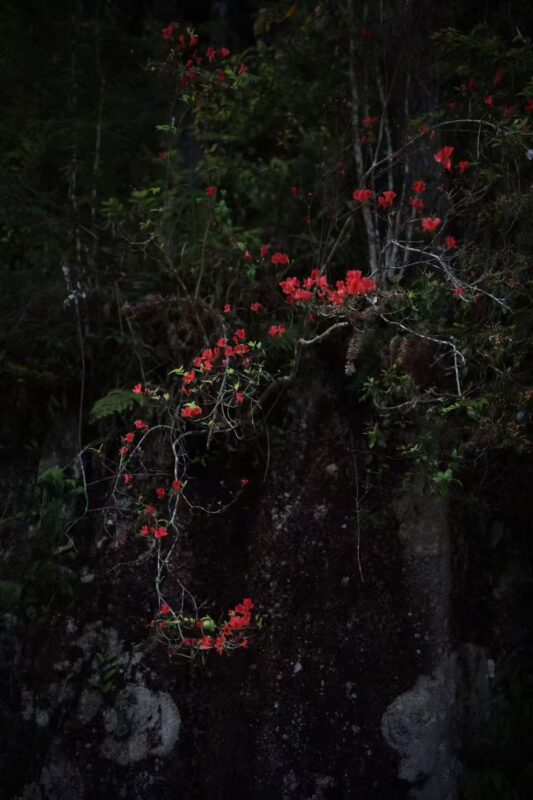
The entire area sits within the core zone of Wuyi Mountain National Park and the former National Nature Reserve. Entry, vehicle access, and resource use are strictly regulated, helping preserve much of the region’s original ecological character. Its forests, streams, high elevations, misty conditions, and rich biodiversity are not simply beautiful scenery—they are part of what makes Tongmu tea possible.
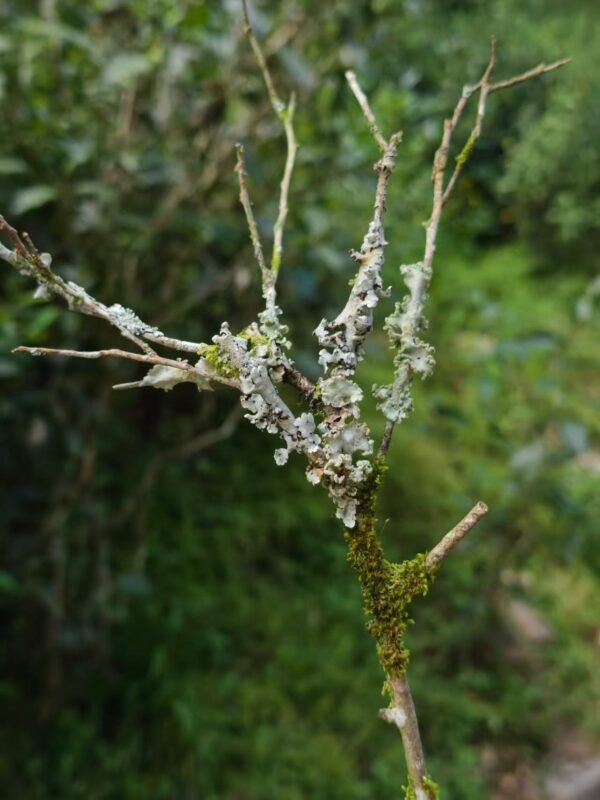
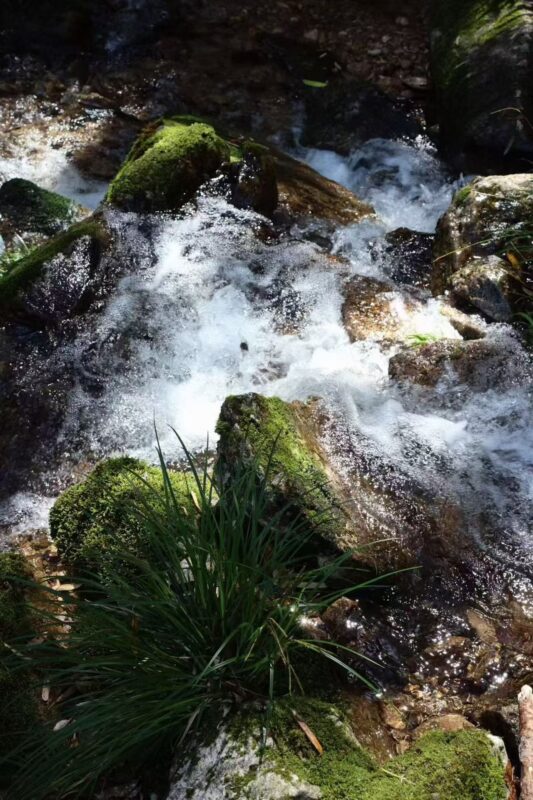
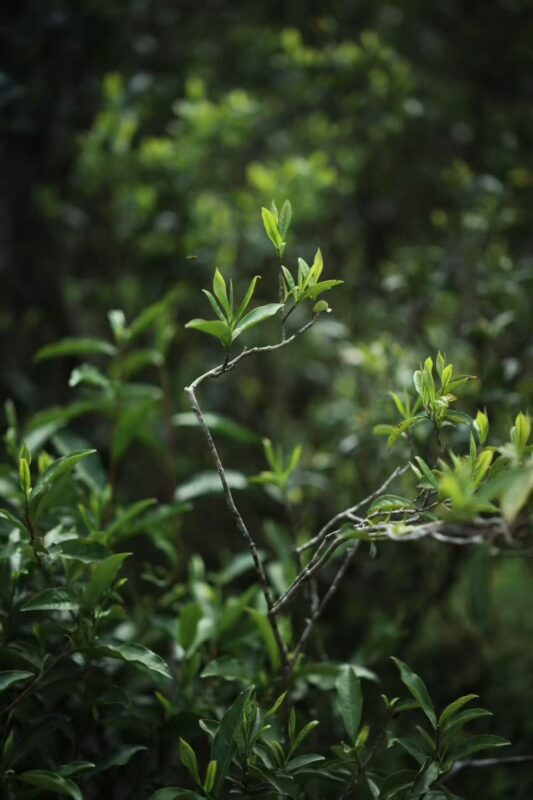
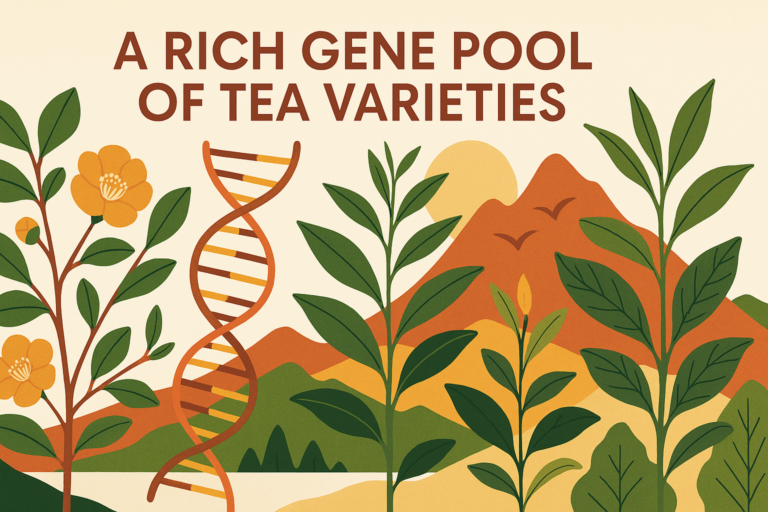
Many tea trees grow naturally along forest edges rather than inside large industrial plantations. Tea seeds fall to the ground and germinate on their own. On a single mountain, tea trees may display dozens of different growth patterns, with noticeable differences in leaf size, shape, vigor, and character.
Combined with variations in elevation, sunlight exposure, moisture, soil conditions, and surrounding vegetation, this often means that almost every cluster of tea trees develops its own personality.
This is one reason Tongmu black tea must be harvested by hand. Production is relatively limited compared with many other Chinese black teas, and the teas are often more expensive as a result.
Local tea farmers often say:
Tea is simply one part of the forest.
To continue the painting metaphor, Zhengshan Xiaozhong is shaped by the brushstrokes of nature itself.
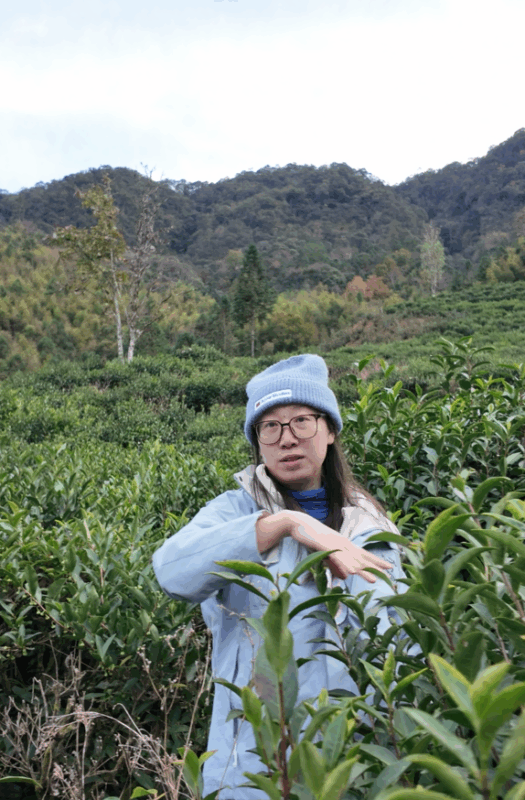
When you spend time in Tongmu, you quickly notice that tea farmers talk as much about weather, ecology, forest conditions, and tree age as they do about processing techniques.
Of course craftsmanship matters.
Experience matters too.
But without the environment, the tea would not be the same.
That is one reason Teaviews has always preferred to begin with origin. Before considering market trends, we first ask where a tea comes from and what makes that place unique.
If you’re interested in that philosophy, you can also read: Why Teaviews Begins in the Mountains
What Happens When People Taste Different Tongmu Black Teas Side by Side?
Today, Zhengshan Xiaozhong has become a global tea.
Different countries, different markets, and different generations of tea makers have all shaped how people understand it.
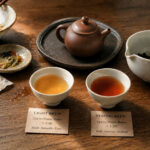
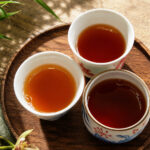
One of my favorite moments during tea gatherings is watching people taste several Tongmu black teas side by side.
At one recent tasting, we compared three different styles. Someone tasted the floral version and immediately said:
“I love the floral aroma. It feels elegant and captivating.”
Another person preferred the classic Zhengshan Xiaozhong:
“I love this one too. The honey sweetness and dried longan character feel so clear and satisfying.”
The biggest surprise came from the smoked version. One tea friend laughed and said:
“This is unexpected. It isn’t the greasy bacon aroma I imagined at all. It’s much cleaner. It reminds me of bread baking over a wood fire at my grandmother’s house.”
None of those reactions were wrong.
The teas were simply expressing different sides of the same origin. There is no “better” or “best” Zhengshan Xiaozhong.There is only the tea that speaks most clearly to the person drinking it.
At the end of many tea gatherings, people tell me something similar:
“I’ve never been to Tongmu, but I can imagine what it feels like. These teas make me think of a place that is quiet, mysterious, clean, and surrounded by nature.”
I think that may be the real heart of Zhengshan Xiaozhong.
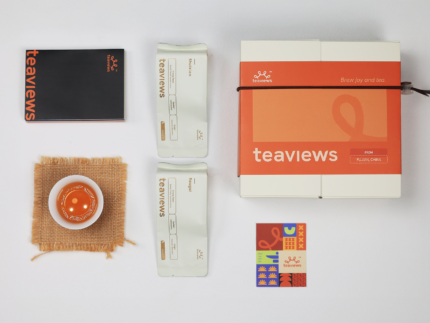
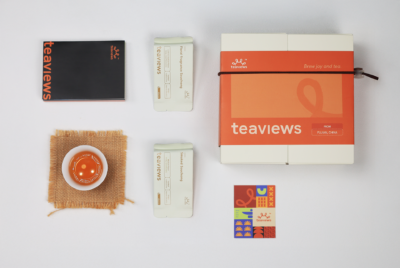
For those who want to explore these differences directly, we created: The Mythos of Deep Wuyi Tongmu Mountain Black Tea Combo

The set allows tea drinkers to compare floral, classic, and smoked Tongmu black teas side by side and experience how different one tea tradition can become.
If you are curious about the floral style that surprises so many tea drinkers, you can also explore: Tongmu Floral Fragrance Souchong
-
 Tongmu Floral Fragrance Souchong
$25.00 – $62.00
Tongmu Floral Fragrance Souchong
$25.00 – $62.00
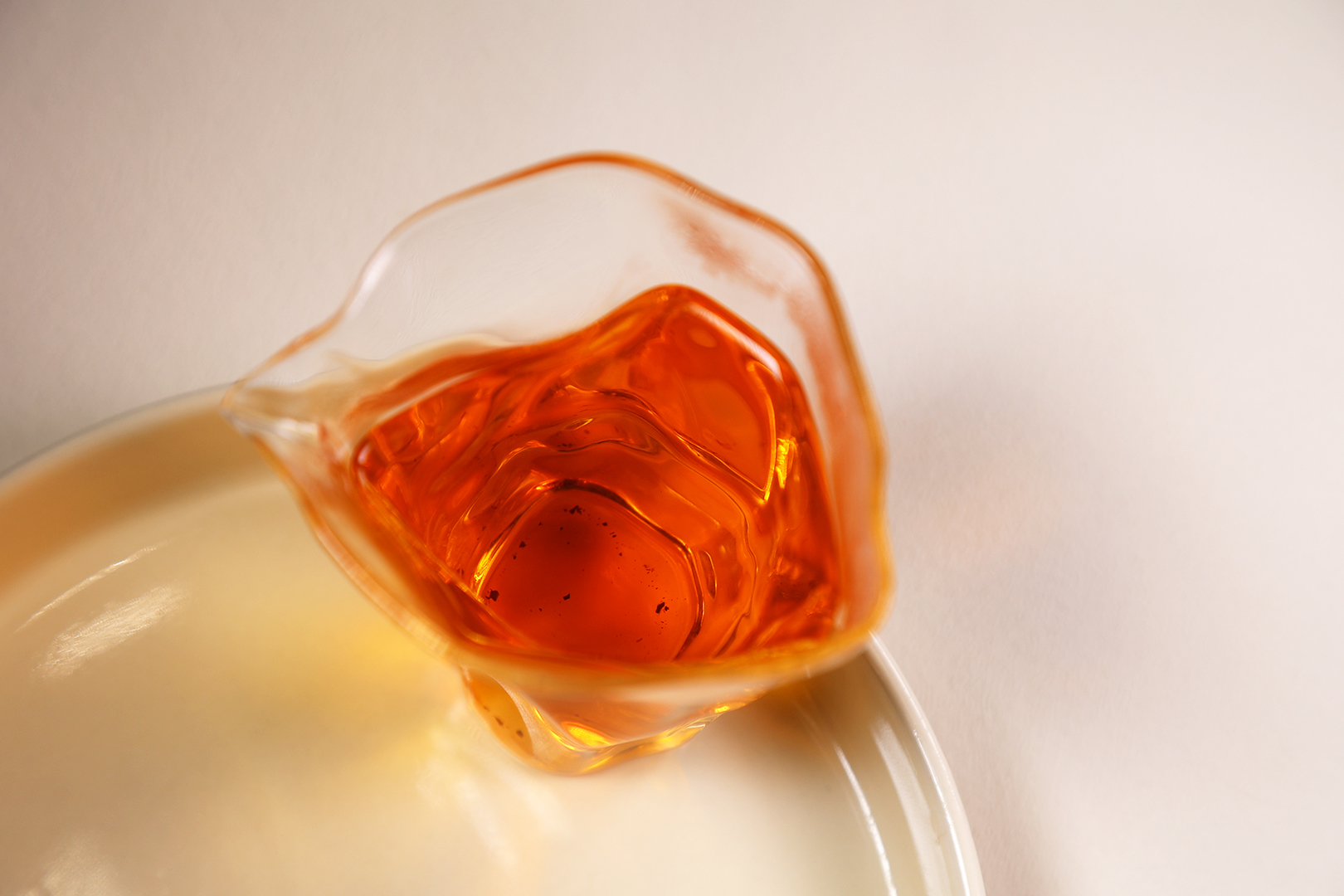
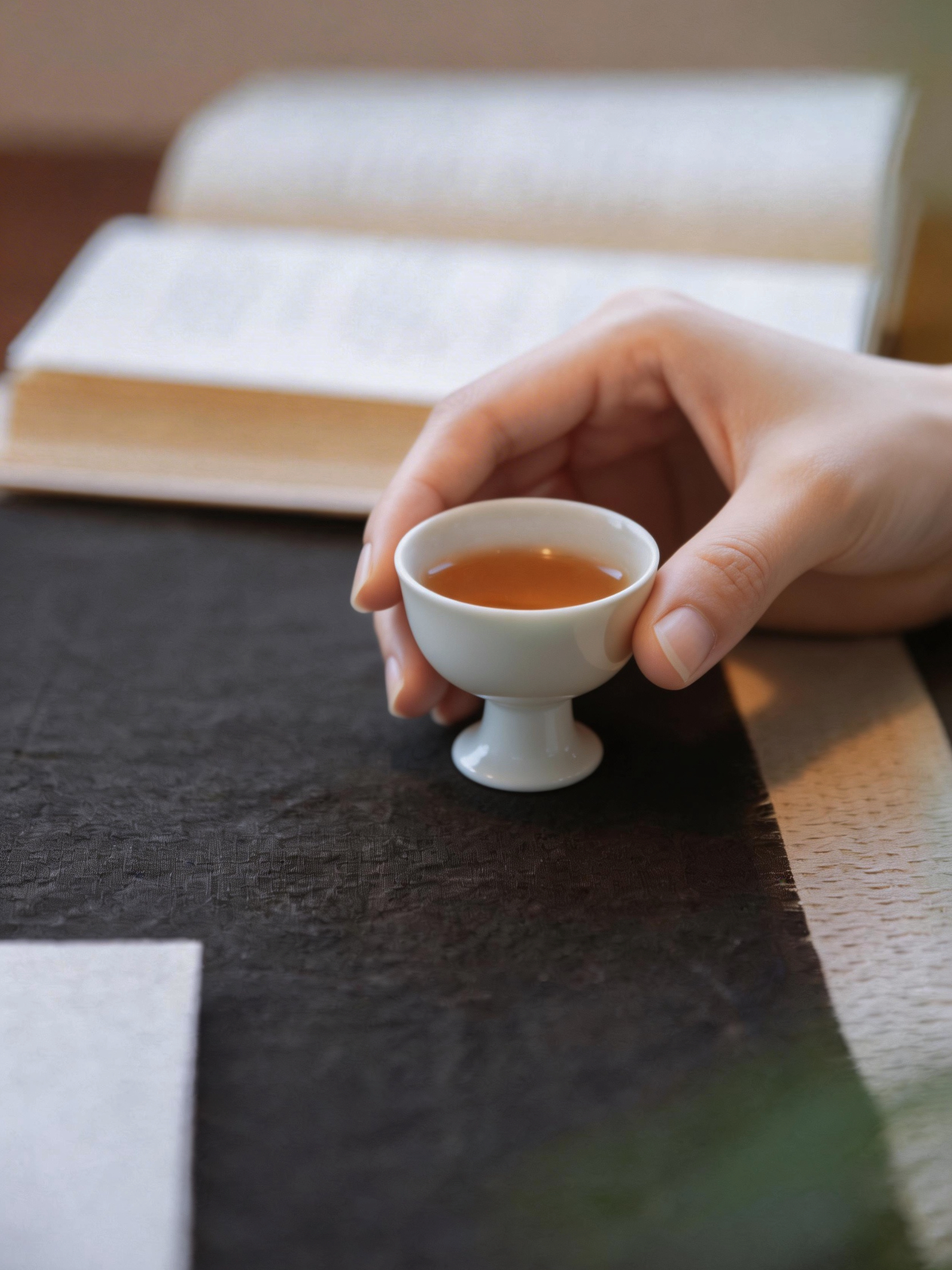
So What Kind of Zhengshan Xiaozhong Are You Drinking?
Some people are simply looking for a black tea they can enjoy every day. So now, when someone tells me:
“I love Zhengshan Xiaozhong.”
My first response is usually not to recommend a tea. Instead, I ask:
“Which kind of Zhengshan Xiaozhong do you love?”
Because the answer often reveals a much bigger story than the tea itself.
The next time you see a tea labeled Lapsang Souchong, it may be worth asking a few questions:
- Is it smoked?
- Where was it produced?
- Does it come from Tongmu?
- What is the producer trying to express?
There may not be a single correct answer.
But those questions will bring you much closer to understanding the tea in your cup.
Because Zhengshan Xiaozhong has never been a single flavor.It is more like a family that continues to evolve. Different tea makers, different generations, and different markets continue to shape how it is expressed.
Understanding those differences is often the first step toward understanding the tea itself.
Frequently Asked Questions
Is all Zhengshan Xiaozhong smoked?
No. Traditional smoked versions still exist, but many modern Zhengshan Xiaozhong teas emphasize floral aromas, honey sweetness, fruit notes, and a softer texture rather than smoke.
Are Zhengshan Xiaozhong and Lapsang Souchong the same tea?
Lapsang Souchong is the common English name for Zhengshan Xiaozhong. However, different producers and different markets may present the tea in very different styles.
Why is Tongmu famous for black tea?
Tongmu is widely recognized as one of the birthplaces of Zhengshan Xiaozhong. It is known for its protected forest environment, biodiversity, high elevations, and long tea-making history.
Why are many modern Chinese Zhengshan Xiaozhong teas less smoky?
Partly because Masson pine resources are more carefully managed today as part of the local ecosystem, and partly because many tea makers now focus on expressing the floral, fruity, and sweet characteristics that come from the tea material and environment itself.
Why does Lapsang Souchong sometimes taste like bacon?
Many drinkers describe heavily smoked versions of Lapsang Souchong as reminding them of bacon, campfires, or smoked foods. This comes from the traditional pine-smoking process used during production.
Does authentic Zhengshan Xiaozhong have to be smoky?
No. Traditional smoked versions are authentic, but many modern Tongmu tea makers focus on floral aromas, fruit notes, honey sweetness, and the natural expression of the tea itself.
Why is Tongmu black tea often more expensive?
Tongmu tea grows within a protected mountain ecosystem. Many tea trees are harvested by hand, production is limited, and the diverse growing environment creates smaller, more distinctive batches of tea.
What is the difference between Zhengshan Xiaozhong and Jin Jun Mei?
Both teas come from the Tongmu tradition, but Jin Jun Mei is made primarily from tea buds, while Zhengshan Xiaozhong typically uses more mature leaves and offers a broader range of styles and flavor expressions.