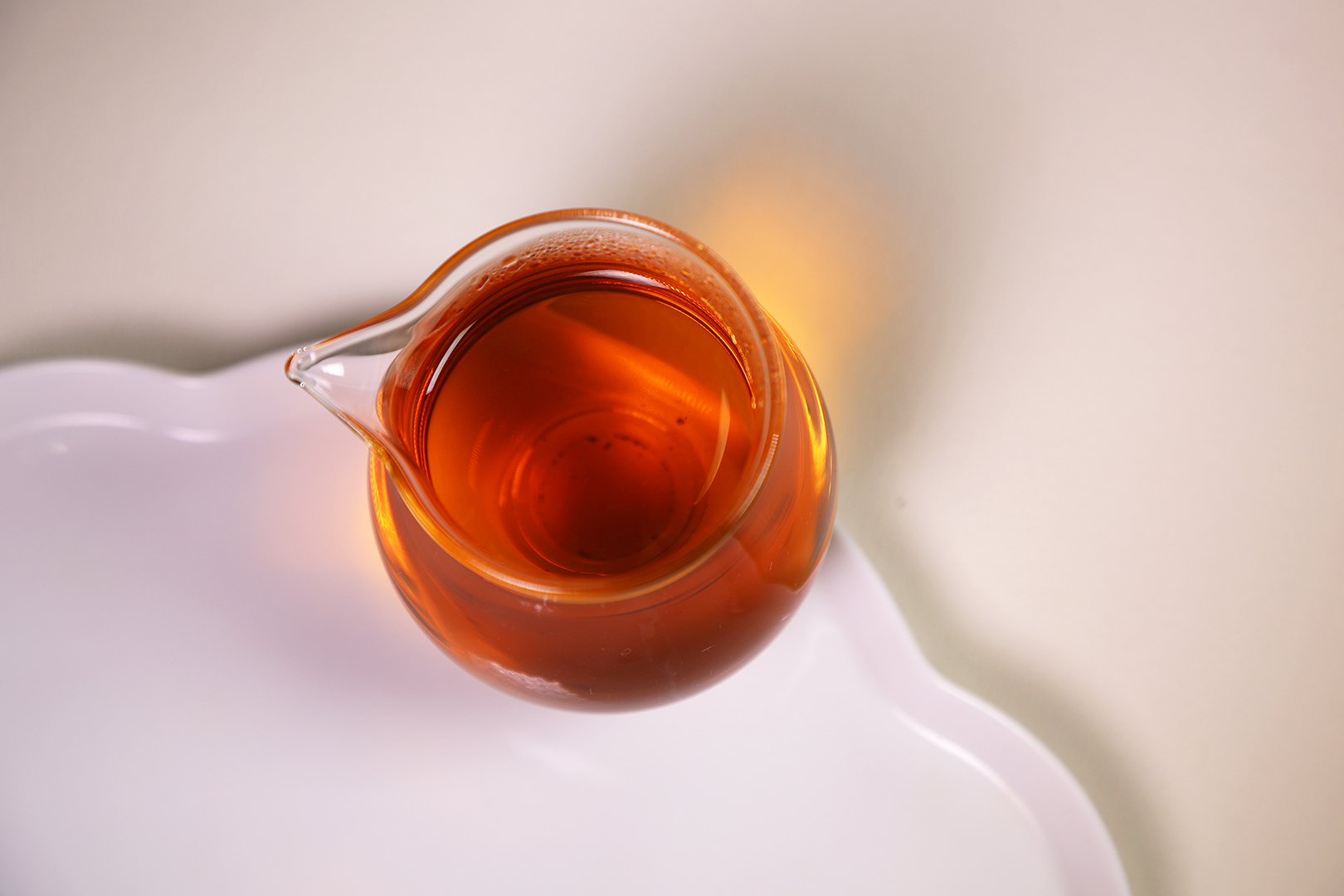
A few days ago, I asked a question in a gongfu tea group:
“Do you still drink hot tea in summer?”
The answers came from many different tea friends. Some said they drink hot tea all year long, but switch to green and white tea during the hottest months because of the cooler steeping temperatures and what they called “cooling qi.” A tea friend in Italy said they switch to cold brew in summer, otherwise they probably would not drink tea from June to September because the weather is too hot and humid. Another tea friend from Poland simply said they had to drink cold tea. “Do you know how hot it is here?” I even looked up the temperature in Poland and told them I completely understood.
Of course, some people still prefer hot tea in hot weather. One tea friend said they believe hot liquid can help the body absorb fluids and sweat more easily.
That conversation reminded me of a simple question: in summer, how should we drink Chinese tea in a way that feels refreshing, balanced, and still respectful to the tea itself?
Traditional Chinese medicine does not usually encourage drinking very cold tea, but real life is not always so neat. When the weather is humid and hot, when you are sweating heavily, or when you are trying to avoid carbonated drinks and added sugar, even someone who cares deeply about health may not want to drink tea that is burning hot.
So I went back and reread some Chinese medicine ideas around cold drinks and body balance. My takeaway is this: cold tea is not simply “good” or “bad.” It depends on the situation, the method, and your body state. The principle is not to force one rule onto every season, but to find balance between the body and the environment.
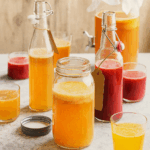
So today, I want to share three ways to make cold Chinese tea at home for summer.
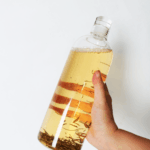
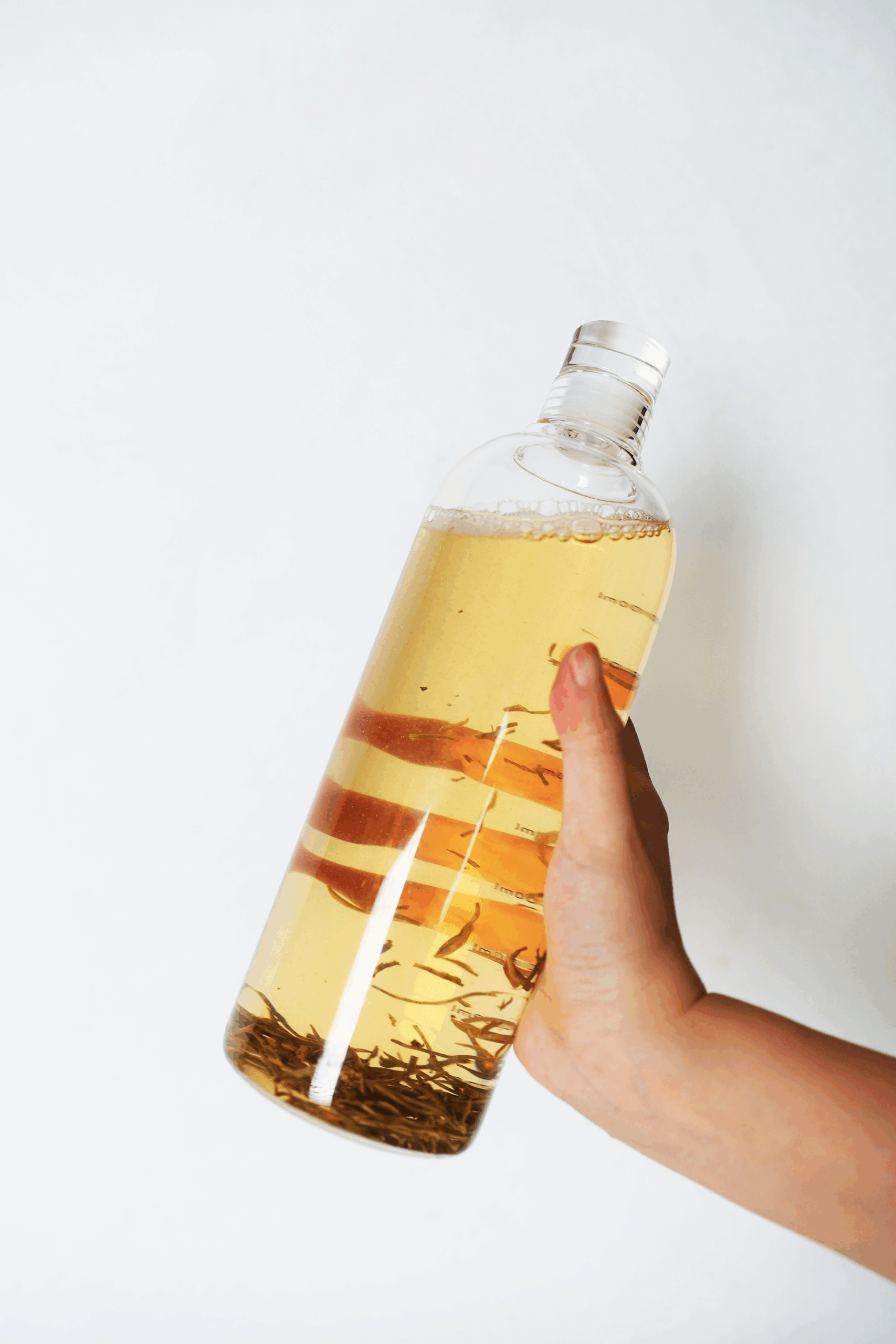
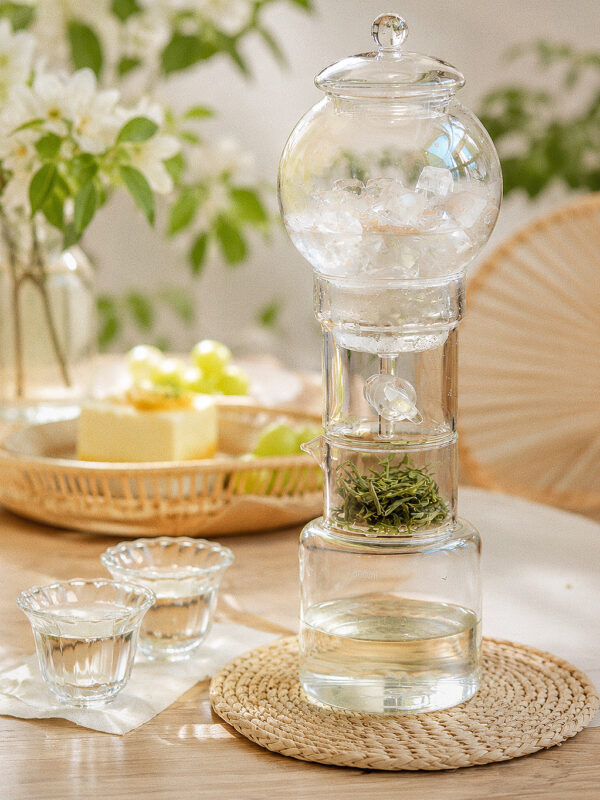
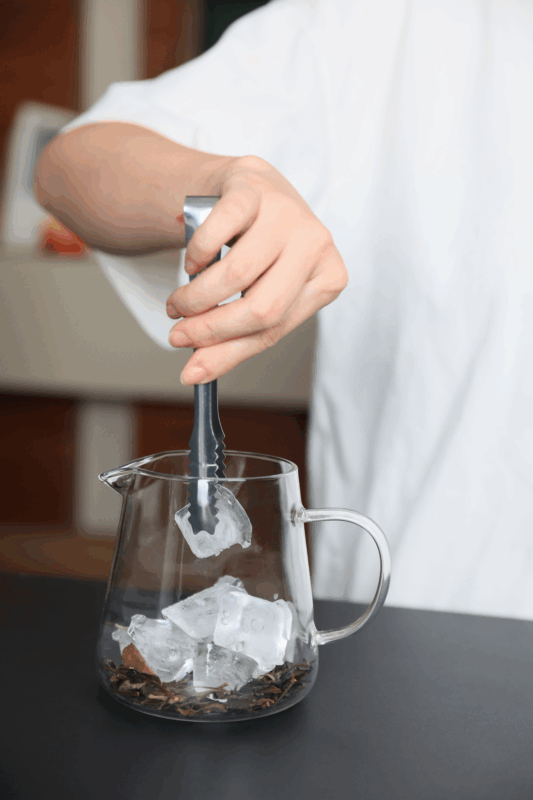
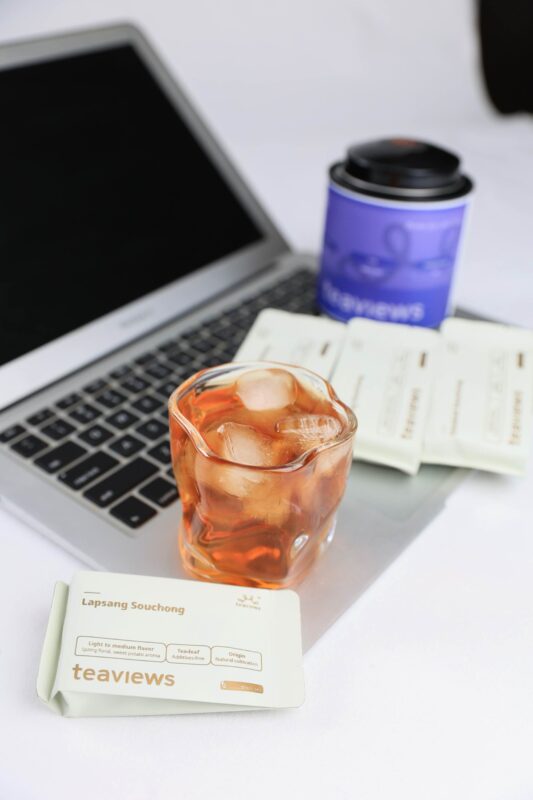
The simplest method is to put dry tea leaves into room-temperature or cold water and refrigerate them for a few hours. Another method is to use tea leaves and ice cubes, letting the ice slowly melt and extract the tea at a low temperature. The third method is to brew the tea with hot water first, bring out the aroma and taste, and then quickly add ice to cool it down, making a more aromatic and flavorful cold tea base.
These three methods do not produce the same tea liquor.
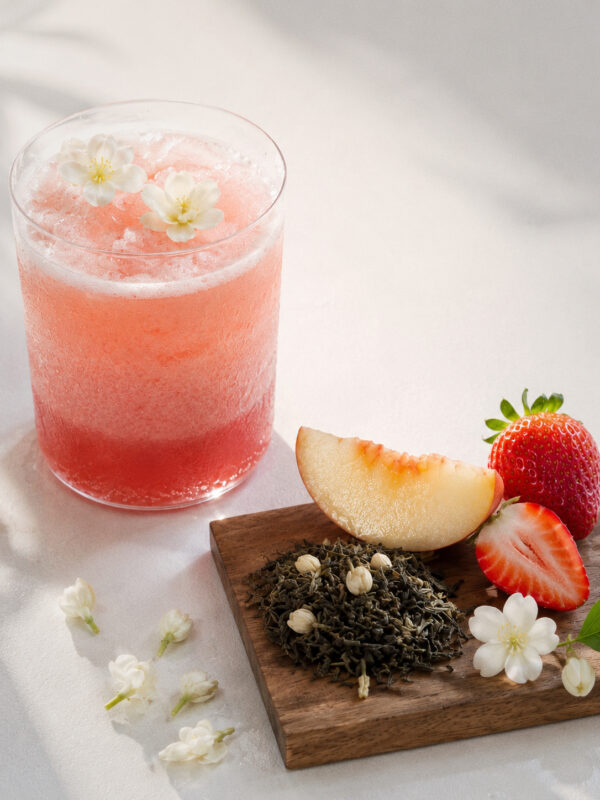
Daily cold brew is the most convenient and refreshing. Slow ice brew is softer and more delicate. Hot brew flash-chill tea base is better for preserving aroma, and it is also more suitable for making iced tea, milk tea, or fruit tea.
This guide introduces three simple ways to make cold Chinese tea at home, which teas are suitable, and how to choose according to different situations.
- Note: I do not recommend using tea dust or broken tea leaves for cold brewing, as the concentration can become too strong too easily. In this guide, “tea leaves” refers to whole loose leaf tea.