























How to Choose, Brew, and Understand This Complex Wuyi Oolong
At one of our tea gatherings, an Italian tea lover once said something that stayed with me. She told me she loved the Dahongpao we shared that afternoon. It felt deep, warm, and quietly reassuring. But every time she tried to buy or brew Dahongpao on her own, the experience changed.
“Some taste too smoky,” she said. “Some feel empty. It’s never quite the same.”
Then she paused, smiled slightly, and added:
“If Dahongpao were a person, it would be someone very charming — but complicated.”
I knew exactly what she meant.
Dahongpao has a way of drawing people in, especially when it’s brewed well and shared in the right setting. But once you try to get closer — to choose it yourself, to understand it, to live with it — things become less predictable. Not because Dahongpao lacks character,but because its name carries too many versions of the truth.
If you like Dahongpao, or feel inexplicably drawn to it, there are a few things you should know.
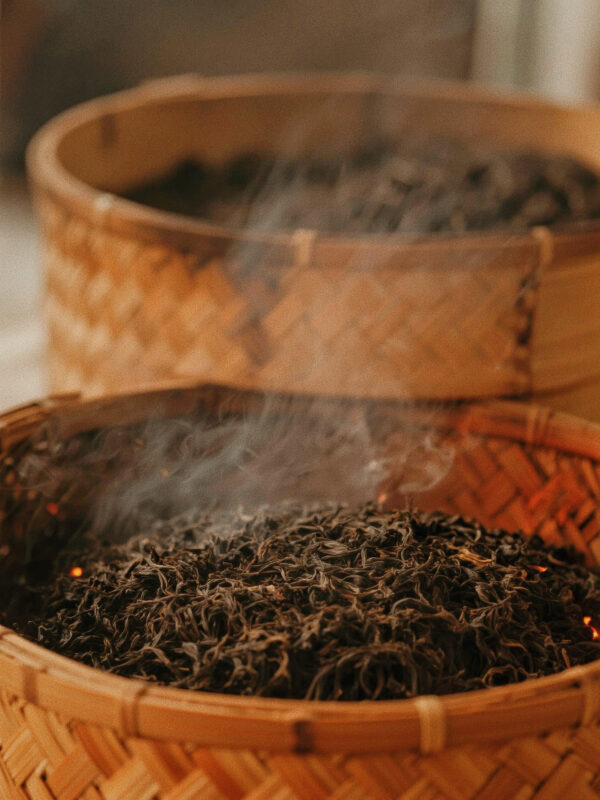
1. The Dahongpao You Fall for Is Often Not the One You End Up With
Many people fall in love with Dahongpao in guided tastings, tea gatherings, or quiet moments when someone else has already made the choices — the tea, the water, the timing. In those moments, Dahongpao can feel grounding and confident. It has presence, but it doesn’t demand attention.
The problem begins when you try to recreate that experience on your own. Suddenly, the same name delivers very different results:
- One tea feels aggressively smoky
- Another tastes flat and hollow
- A third feels strong but strangely unsettling
This inconsistency leads many people to assume that Dahongpao itself is unstable. In reality, what’s unstable is how the name is used. This is why so many people end up searching for “why does Dahongpao taste different every time” — and rarely find a clear answer.
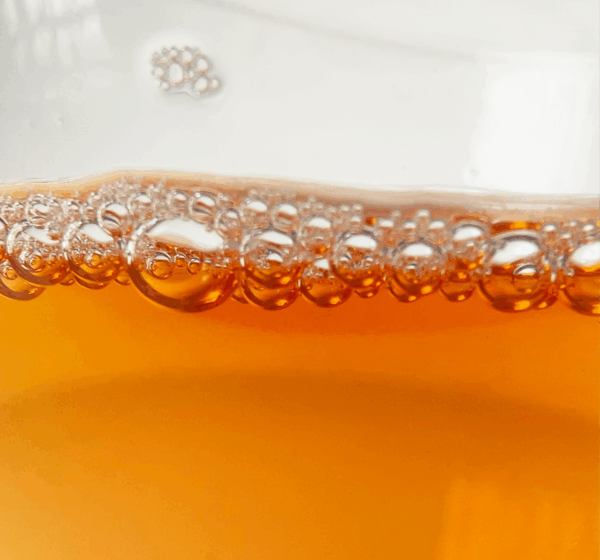
2. Why Dahongpao Often Tastes Smoky
This is something rarely discussed openly. Much of the Dahongpao on the market is designed for immediate impact. Heavier roasting is often used to create bold aroma, dramatic first impressions, and a sense of seriousness in the cup.
The first infusion smells powerful.
The first sip feels intense.It works well in tastings.
It photographs well.
It sells well.
But like certain relationships, it relies too much on charm.
After a few infusions, the structure fades. Bitterness creeps in. The body feels overstimulated rather than supported. This doesn’t mean heavily roasted Dahongpao is inherently wrong — but it does explain why Dahongpao often tastes smoky, especially when it’s made to impress quickly rather than accompany daily life.
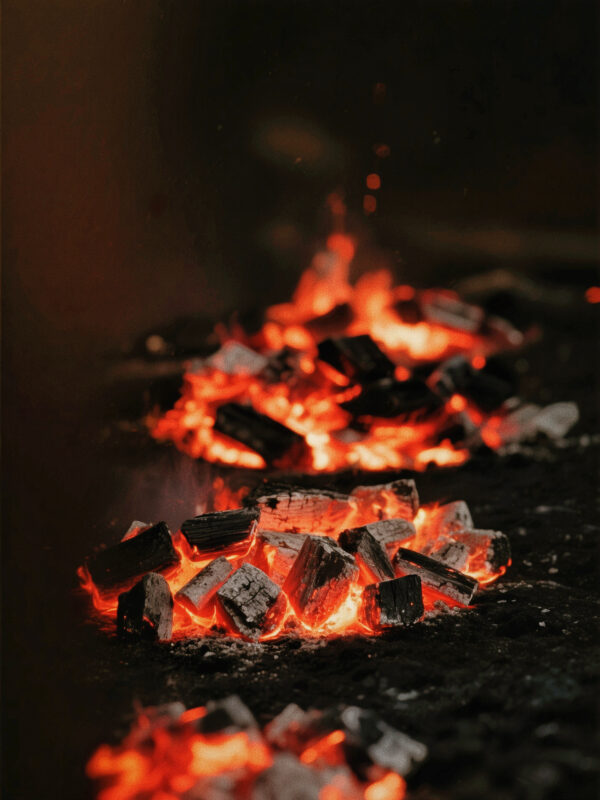
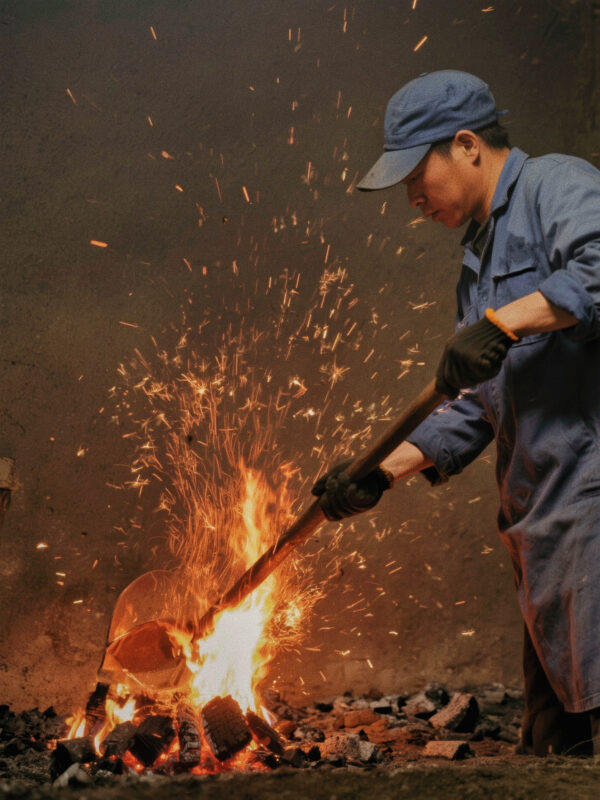
3. A Good Dahongpao Isn’t Loud — It’s Stable
The Dahongpao that changed my relationship with this tea didn’t impress me immediately.
There was no dramatic aroma. No sharp edge. No performance.
Instead, something else happened.
The tea stayed coherent across infusions. The warmth settled downward rather than rising to the head. My breathing slowed without effort.
That was when I realized something important:
A good Dahongpao — especially for those looking for a calming oolong tea — doesn’t try to win you over.
It earns your trust slowly.
If you genuinely enjoy Dahongpao, you may already understand this intuitively. You’re not looking for excitement. You’re looking for steadiness — especially on days when your mind feels scattered or overextended.
4. What Is “Rock Rhyme” (Yan Yun) in Dahongpao?
People often ask what yan yun — rock rhyme — tastes like.
Many search for what is yan yun (rock rhyme) in Dahongpao, expecting a specific flavor note. But the truth is, it isn’t a flavor you can isolate.
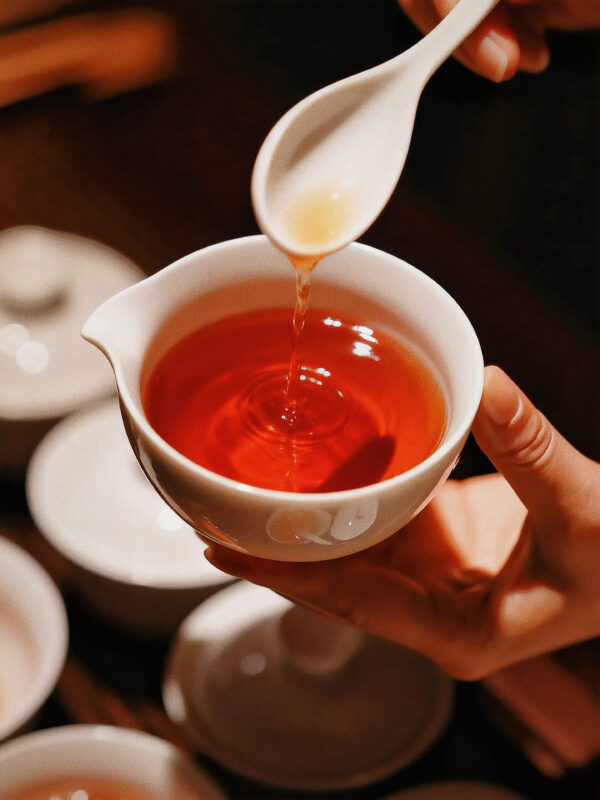
Rock rhyme is a sensation, not a taste. It feels like:
- A subtle mineral grip that grounds the body
- Warmth that spreads slowly and evenly
- An aftertaste that lingers quietly, without sweetness or sharpness
You don’t notice it when you rush. You feel it when you slow down.
This is why Dahongpao is often misunderstood when judged only by aroma or intensity. Like a complex person, it reveals itself through presence, not performance.

5. Not All Dahongpao Is Meant to Be Lived With
Some Dahongpao is made to be admired — not lived with. These teas shine on special occasions. They demand attention and reward focus. But they’re rarely the ones you reach for on an ordinary afternoon.
The Dahongpao I return to is different. It’s the tea I drink:
- When I want to slow my thoughts
- When I need warmth without stimulation
- When I want something steady beside me, not in front of me
If we return to the relationship metaphor, this is the difference between someone exciting and someone reliable. Both have their place — but only one fits into daily life.
6. Why Choosing Dahongpao Feels So Personal
By the time you decide to buy Dahongpao for yourself, the decision is rarely just about taste.
It’s about how you want to feel.
– Some people want power and intensity. Others want grounding and calm.
– Some are drawn to drama. Others to balance.
Understanding what you’re looking for matters more than understanding the legend. This is why two people can drink the same Dahongpao and walk away with completely different impressions.
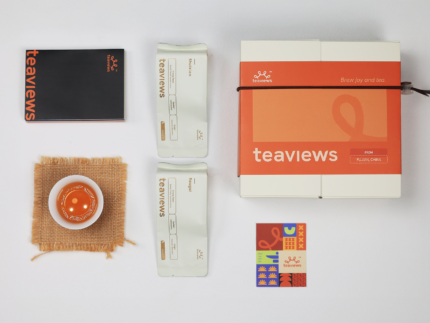
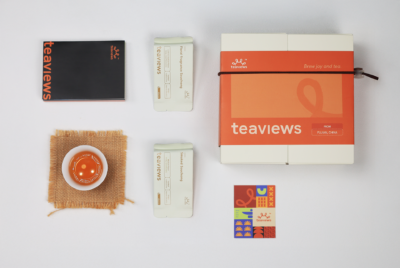
7. How We Choose Our Dahongpao at Teaviews
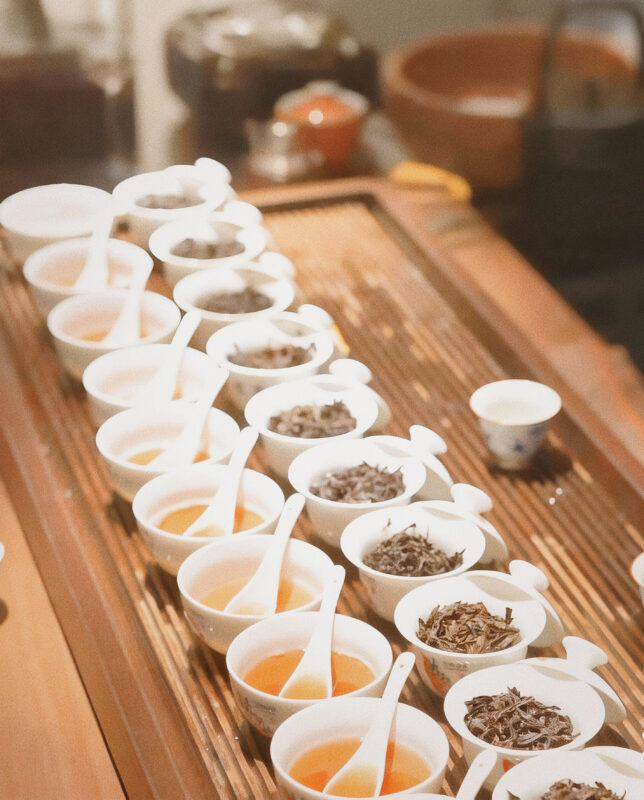
At Teaviews, we didn’t choose our Dahongpao because it was the boldest or the most talked about. We chose it because it was the one we kept drinking.
– Not in formal tastings, but in everyday moments.
– Not for comparison, but for comfort.
Our criteria are simple:
- Clear origin from trusted Wuyi producers
- Roasting that supports the leaf rather than dominating it
- A body feel that remains calm and grounded across infusions
If a tea feels impressive but leaves us unsettled, we pass.
If it feels quiet but dependable, we pay attention.
8. If You’re New to Brewing Dahongpao
* A Simple Method for Beginners
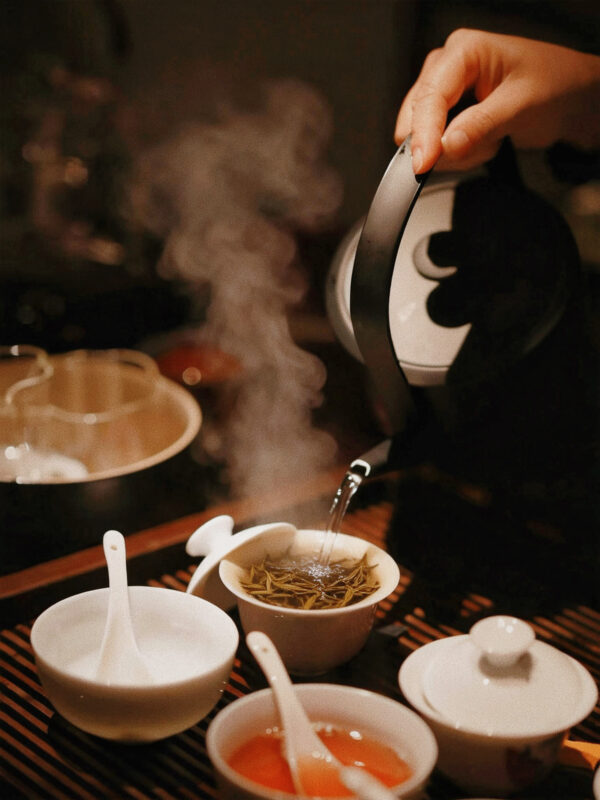
You don’t need perfect technique to enjoy Dahongpao.
◊ If you’re unsure, use less leaf.
◊ Keep infusions short at first.
◊ Pay attention not just to flavor, but to how your body responds.
This gentle approach is often recommended when people ask how to brew Dahongpao without bitterness. Dahongpao doesn’t reward force. It responds to patience.
9. Is Dahongpao the Kind of Tea You’re Looking For?
If you’re drawn to teas that are:
- Grounding rather than floral
- Deep rather than sharp
- Supportive rather than stimulating
Then Dahongpao may already feel familiar to you — even if your experiences with it have been inconsistent.
The right one doesn’t overwhelm. It stays.
If this sounds like the kind of Dahongpao you’ve been searching for, this is the one we keep coming back to.
Hot

Select options
This product has multiple variants. The options may be chosen on the product page
Frequently Asked Questions:
Is Dahongpao an oolong tea?
Yes. Dahongpao belongs to the Wuyi rock oolong family, known for depth, mineral character, and balance.
Why does Dahongpao often taste smoky?
Heavier roasting is commonly used to create strong aroma and immediate impact, but it can overpower the tea if not balanced.
Is Dahongpao good for beginners?
A balanced, moderately roasted Dahongpao can be suitable for beginners, especially when brewed gently and without chasing intensity.
Can Dahongpao be calming?
A well-made Dahongpao often feels grounding and warming rather than stimulating, making it suitable for slow, mindful drinking.
Is Dahongpao suitable for daily drinking?
Not all Dahongpao is made for daily use. Teas with stable roasting and calm body feel are better suited for everyday, mindful drinking.
Why does Dahongpao vary so much in quality?
Differences in growing area, leaf material, and roasting style lead to wide variation under the same name.
*Ready to start brewing? Subscribe to our newsletter 👇 for mindful tea rituals, recipes, and health tips.