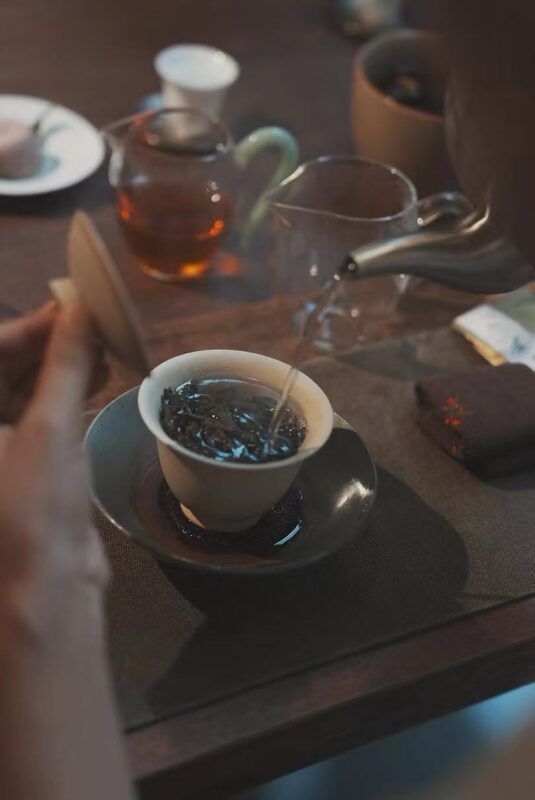


































For many tea drinkers, Wuyi rock tea is one of the most intriguing yet misunderstood Chinese teas. People often hear descriptions like “mineral,” “roasted,” or “orchid fragrance,” but still wonder what the experience is actually like in everyday drinking.
Unlike greener teas that express freshness immediately, rock tea reveals its character through structure, warmth, and a slow-returning sweetness. This beginner-friendly guide explains the flavor profile of Wuyi rock tea in clear and practical terms — helping you understand what to expect and how to enjoy it with confidence.
The Landscape Behind the Flavor
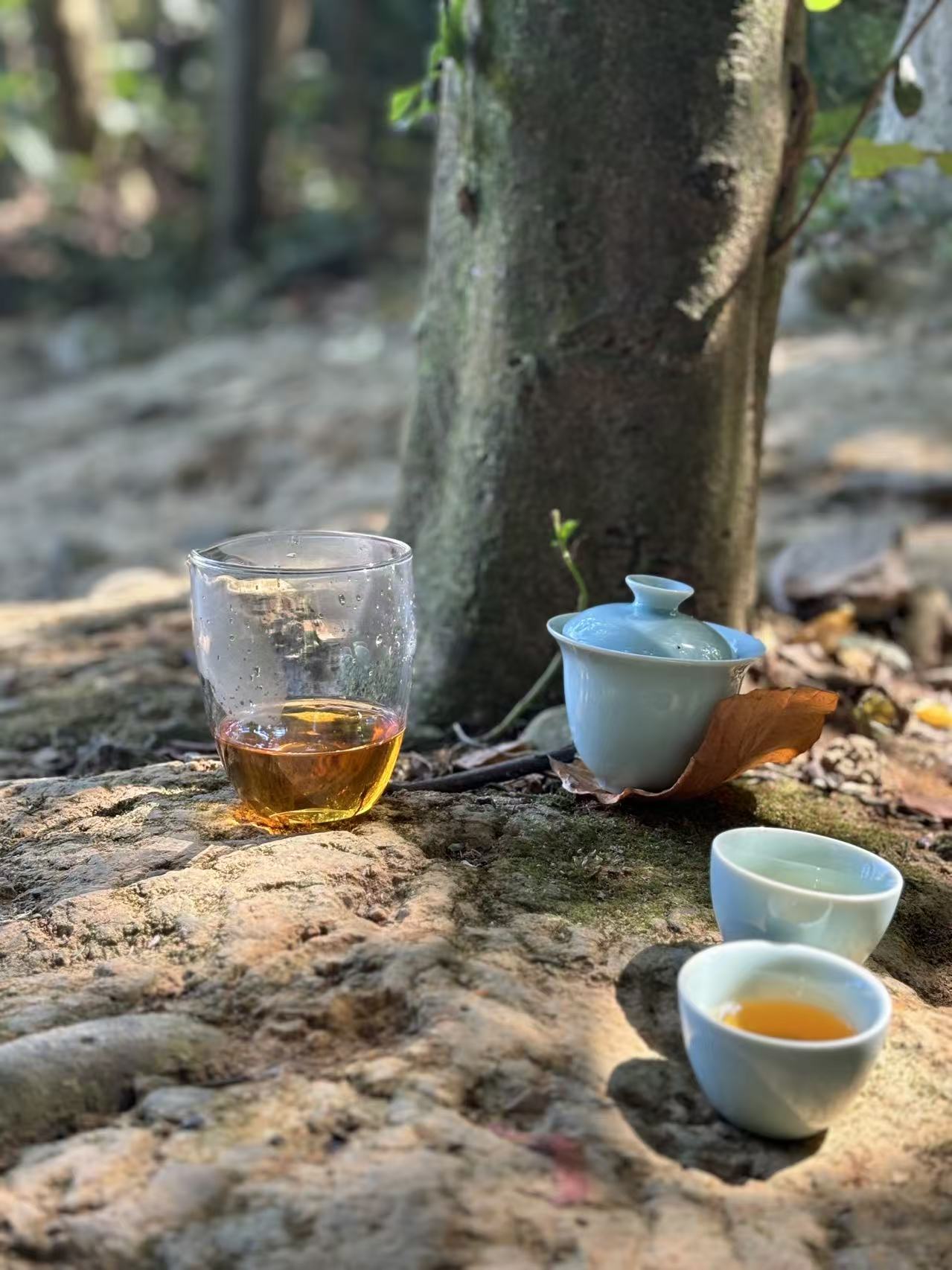
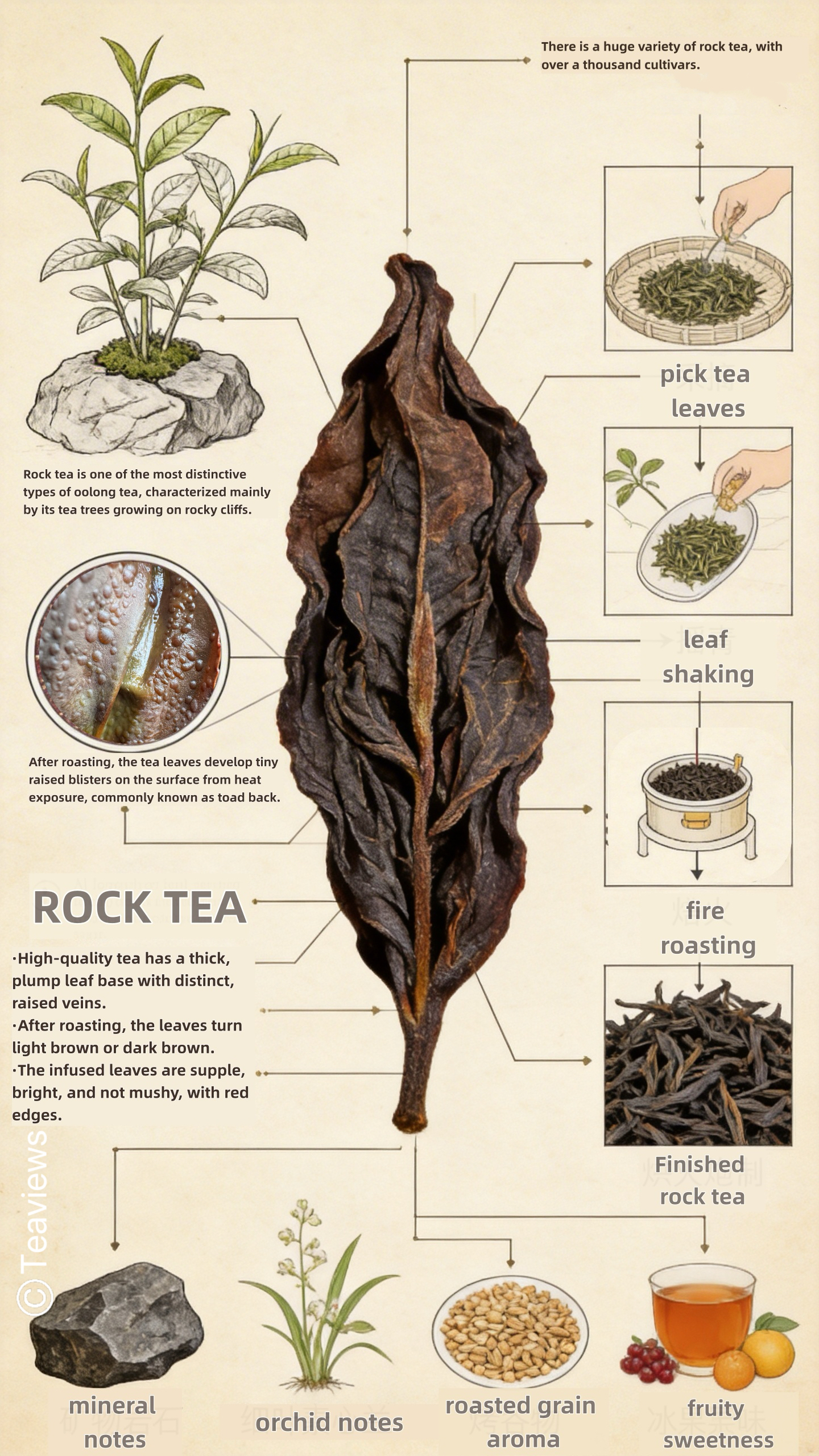
Wuyi rock tea grows in the narrow and winding valleys of the Wuyi Mountains in Fujian, China. Here, steep mineral cliffs, drifting mountain mist, and constantly shifting patterns of light and humidity create a complex ecological environment that shapes the tea’s distinctive character.
Tea plants rooted among rocky outcrops often develop thicker leaves and more concentrated internal compounds. Through repeated refinement using traditional charcoal roasting techniques, these leaves gradually express a deeper sense of structure and layered mouthfeel. Compared with fresher green teas or lightly oxidized oolongs, rock tea is often experienced as warmer and more textural, sometimes described by drinkers as having a subtle mineral-like presence. This structural warmth is considered one of the key sensory characteristics that makes Wuyi rock tea unique.
Skilled tea roasters work carefully with heat and timing, using traditional methods to guide the tea toward balance — allowing warmth, steadiness, and returning sweetness to unfold naturally across multiple infusions. The result is a lingering aftertaste that evolves slowly rather than appearing all at once.
Many tea drinkers use the term “yan yun,” (岩韵) or rock rhyme, to describe this experience. “Yan” (岩) refers to the rocky environment in which the tea plants grow, while “yun” (韵) suggests the way flavor resonates and gradually unfolds in the mouth, much like the changing rhythm of music.
[ If you’ve already tried Dahongpao and are curious why it feels different from other oolong teas, you might find this helpful: 👉 If You Like Dahongpao, There Are a Few Things You Should Know ]
Core Flavor Notes You May Notice
Understanding rock tea becomes easier when you focus on sensory layers rather than poetic descriptions.
Mineral Structure
Rock tea often carries a steady, grounding mouthfeel. This does not mean heaviness — rather, it feels supportive and centered on the palate, giving the tea a calm and stable presence.
Roasted Warmth
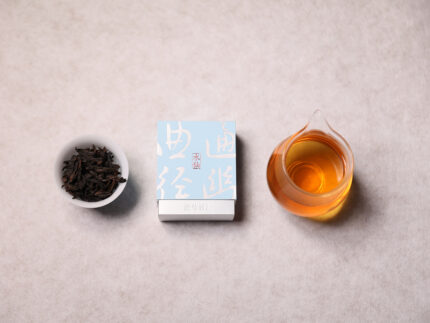
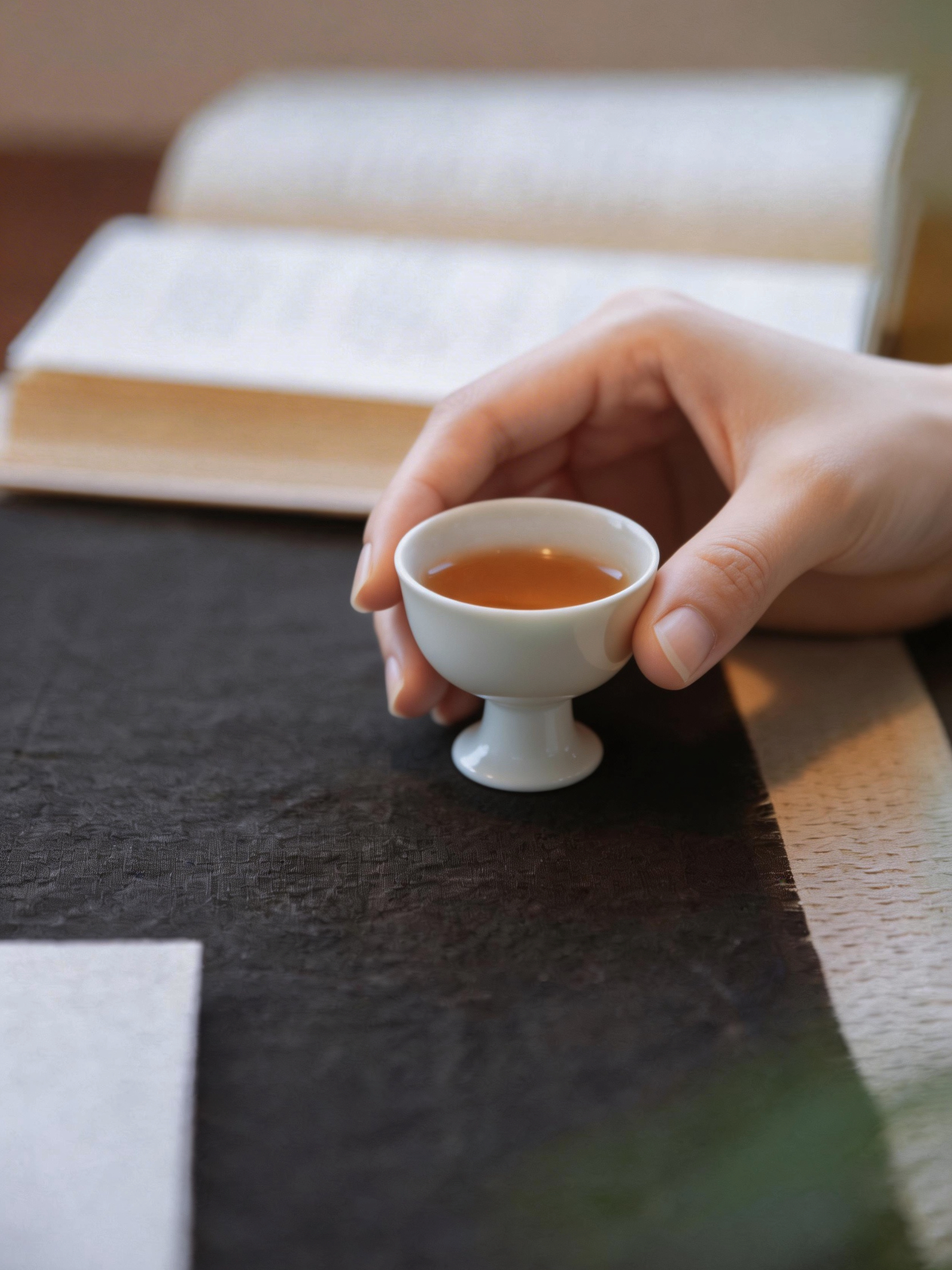
Charcoal roasting develops notes that may resemble toasted grain, warm nuts, baked fruit, or gentle caramelized sweetness. This warmth creates depth and helps the tea feel comforting, especially in cooler weather or after meals.
Floral Lift
In many varieties, subtle orchid-like aromas appear mid-sip or in the aftertaste. These floral notes are rarely sharp or perfumed; instead, they feel integrated within the tea’s overall structure.
Lingering Finish
One of the most distinctive experiences of rock tea is its returning sweetness. After swallowing, a soft sweetness may gradually rise from the throat and spread across the mouth, creating a sense of quiet continuity.
Why Can Wuyi Rock Tea Taste Bitter at First
Some beginners may find Wuyi rock tea slightly strong or even mildly bitter during their first tastings. In most cases, this impression is related to brewing balance rather than the inherent quality of the tea.
Rock tea has a pronounced structural character, which makes it more sensitive to preparation variables. When brewing conditions are not well aligned, the flavor may feel tight or sharp.
Common influencing factors include:
- Water that is not hot enough to fully open deeper aromatic compounds
- Steeping times that are too long during the early infusions
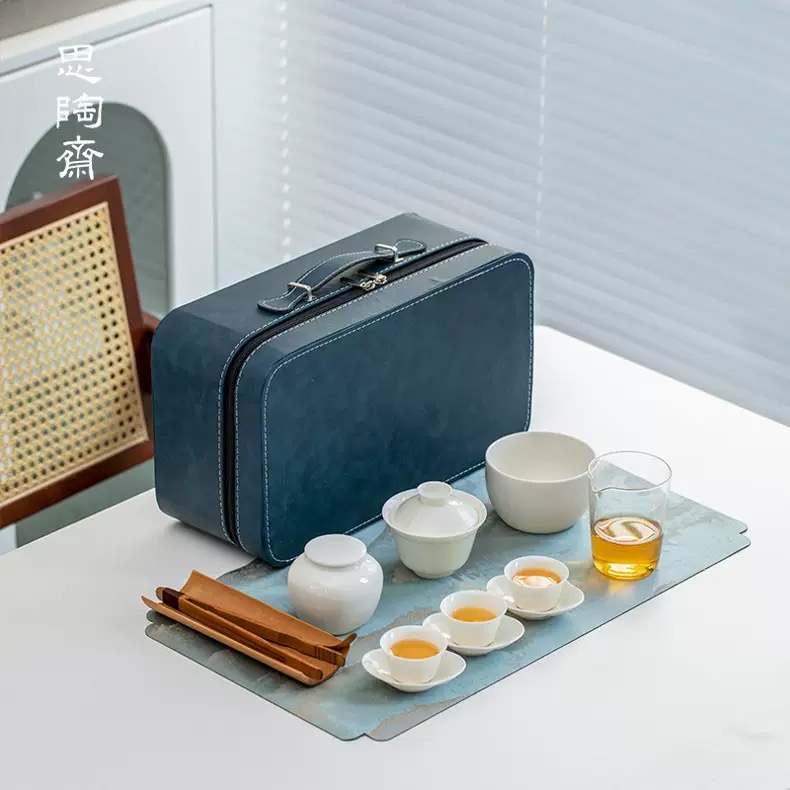
- Differences in heat retention and shape of teaware
- Leaf-to-water ratios that concentrate the structure excessively
- Pouring techniques that accelerate extraction too quickly
As these variables become better understood and gently adjusted, the same tea often reveals a smoother and more layered profile. This transition — from initial sharpness to balanced depth — is one reason many experienced drinkers appreciate the expressive and adaptable nature of Wuyi rock tea.
A Simple Way to Start Exploring Rock Tea
For beginners, a structured tasting approach can make the experience more approachable. Comparing teas with different roast levels or aromatic profiles helps you gradually recognize how rock tea expresses strength, softness, floral lift, or mineral depth.
Instead of trying to memorize tasting notes, focus on noticing how each tea behaves in the mouth and how the aftertaste evolves over time.
How Rock Tea Fits Into Daily Tea Rhythms
Although Wuyi rock tea is often associated with formal tea sessions or focused tastings, it can also become a natural part of everyday life. Many drinkers choose rock tea in moments such as:
- After meals, when a sense of warmth and gentle continuity feels grounding
- During periods of focused work, where the tea’s steady presence supports a calm rhythm
- In quiet evening pauses, allowing emotions to soften and attention to settle inward
Over time, people often find themselves less concerned with analyzing specific tasting notes. Instead, they begin to notice how rock tea contributes to a subtle sense of steadiness and companionship within daily routines.
Final Thoughts
Wuyi rock tea is not defined by dramatic flavor intensity. Its character lies in structure, rhythm, and subtle transformation across multiple infusions.
With patient brewing and gradual familiarity, many tea drinkers discover that rock tea becomes a quiet companion — a tea they return to not for novelty, but for steadiness.
The beauty of rock tea is not in dramatic intensity,
but in the quiet way it invites you to return.