





















Why Tea Feels Settling After Meals: Warmth, Bitterness and Gut Response

Quick Insight
Tea may feel settling after meals for several overlapping reasons. Warm liquids can support physical ease in the stomach area, mild bitterness may encourage digestive signaling, and tea compounds may interact gently with the gut environment. Together, these factors can shape the familiar post-meal feeling of warmth, steadiness, and digestive comfort.
* This article is part of a broader guide on how tea behaves after meals. *
The Familiar Sensation of Digestive Comfort
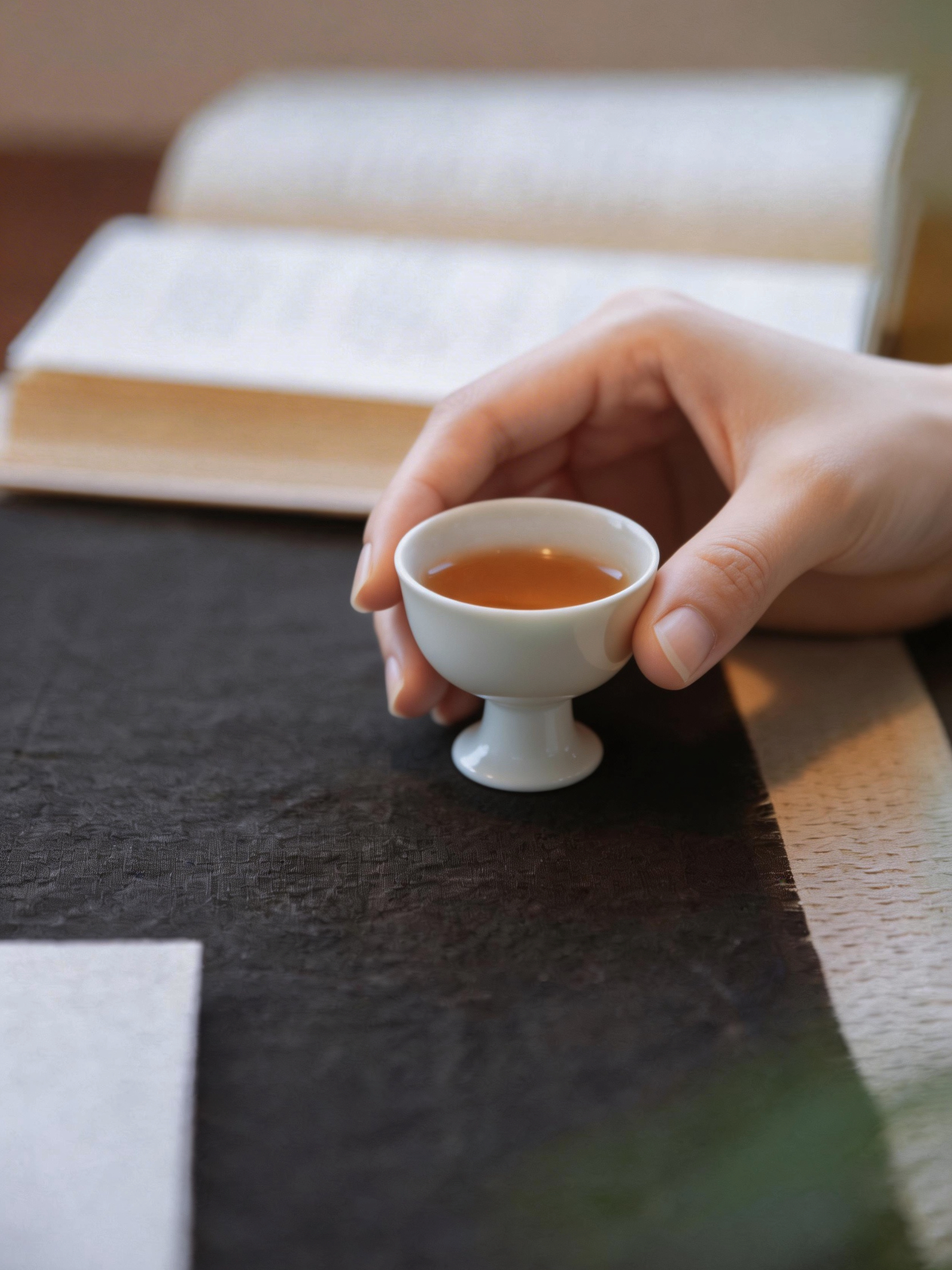
After finishing a satisfying meal, the body often enters a transitional state. Fullness, warmth, or a quiet heaviness in the stomach may appear as digestion begins. In many tea-drinking cultures, sipping warm tea at this moment is less about fixing a problem and more about supporting the body’s natural rhythm.
Rather than acting as a strong functional solution, tea often accompanies digestion softly. Its temperature, aroma, and pacing can help extend the meal experience into a calmer and more integrated physical state. This gentle relationship between tea and digestion is also part of our approach to Chinese tea.
For a more everyday perspective on this habit, you can also read [Tea After Meals: How Chinese Tea Supports Digestion and Whole-Body Comfort].
To understand why tea may feel settling after meals, it helps to look at three layers at once: warmth, sensory bitterness, and the body’s digestive response.
How Warm Liquids Support Natural Digestive Movement
Warm beverages may encourage digestive comfort by promoting relaxation in the stomach and surrounding smooth muscles. When the body is not exposed to sudden cold stimulation, food movement can feel more fluid and less strained. This is one reason warm tea traditions developed alongside rich or seasonal cuisines.
Temperature may also influence nervous system tone. Slowly drinking warm tea often deepens breathing patterns and reduces physical tension, which can indirectly support digestive rhythm. This is also why warm tea is traditionally preferred over cold drinks after meals in many tea-drinking cultures.
How Tea Compounds Interact With the Gut Environment
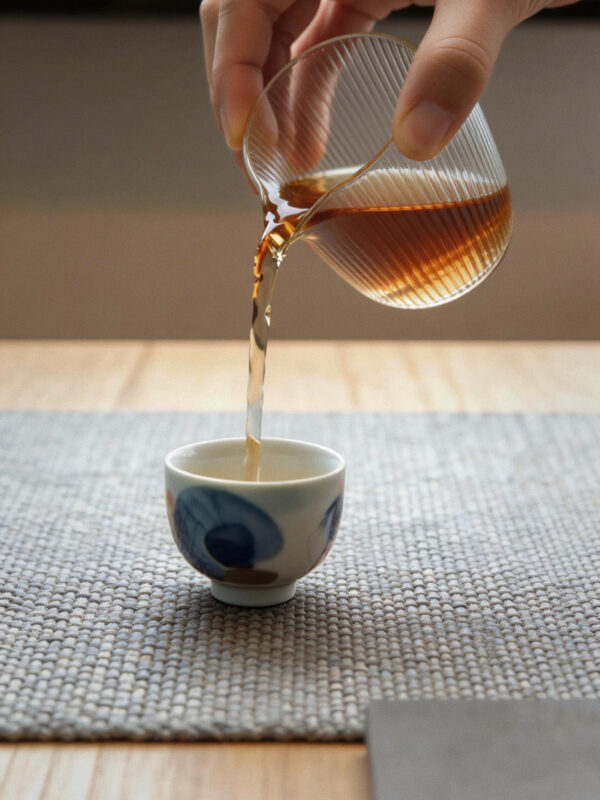
Tea leaves contain naturally occurring polyphenols, mild caffeine, and aromatic compounds formed through oxidation or roasting. These elements do not act as instant remedies, but they may influence how digestion is perceived.
Polyphenols have been studied for their relationship with gut microbial balance and inflammatory modulation. Meanwhile, gentle bitterness can stimulate saliva and digestive signaling, helping the body transition more smoothly after eating. Rather than acting as a direct remedy, these overlapping sensory and biochemical interactions may help explain why tea is often experienced as settling after meals.

Why Roasted Teas Often Feel More Grounding
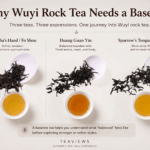
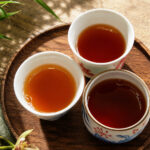
Sensory depth also shapes digestive perception. Traditionally roasted Wuyi teas, such as Da Hong Pao or Rou Gui, are often described as warming and structurally grounding after heavy meals. Their mineral character and rounded mouthfeel can create a sense of internal steadiness rather than stimulation.
For readers curious about how this profile develops, Wuyi rock tea offers a useful starting point, especially if you want to understand why some teas feel more mineral, roasted, or structured than others. If Da Hong Pao is already familiar to you, [If You Like Dahongpao, There Are a Few Things You Should Know] is a helpful next read.
Soft, gently oxidized black teas may produce a similar effect, offering comfort without excessive sharpness.
When Tea May Feel Too Stimulating
Tea does not feel supportive in every situation. Strong infusions, very brisk green teas, or high caffeine sensitivity may lead to restlessness or stomach discomfort, particularly when consumed on an empty stomach.
Adjusting infusion strength, drinking pace, and tea style is often more effective than avoiding tea altogether. Lighter brewing and moderate temperatures usually support a smoother post-meal experience.
A Gentle Tea Ritual for Digestive Ease
Beyond physiology, the ritual of tea itself can also influence how the body processes food. Taking a few quiet minutes to sip warm tea naturally slows physical and mental rhythms. Breathing stabilizes, sensory awareness increases, and digestion unfolds in a less hurried environment.
Over time, noticing which teas feel most comfortable after meals can become part of a broader awareness of internal balance. This is one reason tea is often associated not only with digestion, but also with [how tea gently calms the body].
In this sense, tea may feel settling after meals not because it fixes digestion directly, but because warmth, brewing rhythm, mild bitterness, and sensory depth all shape how the body experiences the post-meal transition.
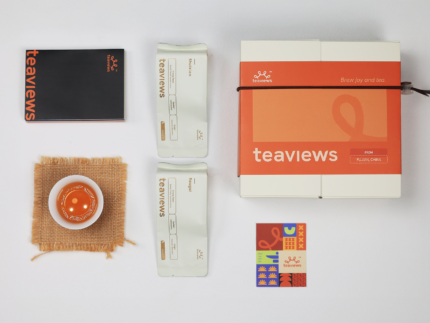
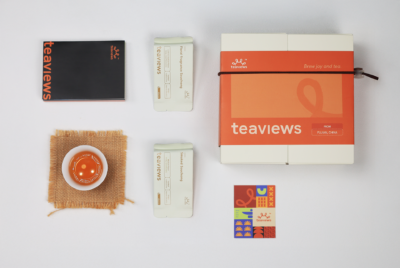
If you are curious where to begin, teas with a warmer and more rounded profile — such as lightly roasted oolong or softer black teas — are often a comfortable place to start after meals. For a more practical comparison, you can explore [Best Tea After a Heavy Meal]. For readers who want a more structured starting point for exploring roasted Wuyi tea, the Yancha Baseline Set offers a beginner-friendly way to compare different expressions of Wuyi rock tea.
Key Takeaways
- Warm liquids may help the stomach area feel more physically at ease after meals
- Mild bitterness may support natural digestive signaling
- Tea compounds may interact gently with the gut environment
- Roasted teas are often perceived as more grounding after heavier food
- Tea ritual may support a calmer post-meal transition
Frequently Asked Questions
Does drinking tea after meals help digestion?
Tea is not a medical treatment, but warm tea may support digestive comfort by encouraging relaxation and gentle digestive signaling.
Which tea feels most comfortable after a heavy meal?
Many drinkers prefer roasted oolong or mellow black teas because their deeper aroma and rounded structure often feel less sharp on the stomach. For a more detailed comparison, see [Best Tea After a Heavy Meal].
Is it okay to drink tea on an empty stomach?
Some people may feel sensitive when drinking strong tea without food. Lighter infusions may feel more comfortable.
Continue Exploring Post-Meal Tea
If you want to explore this topic further, these articles take the question in different directions: