




































· Intro
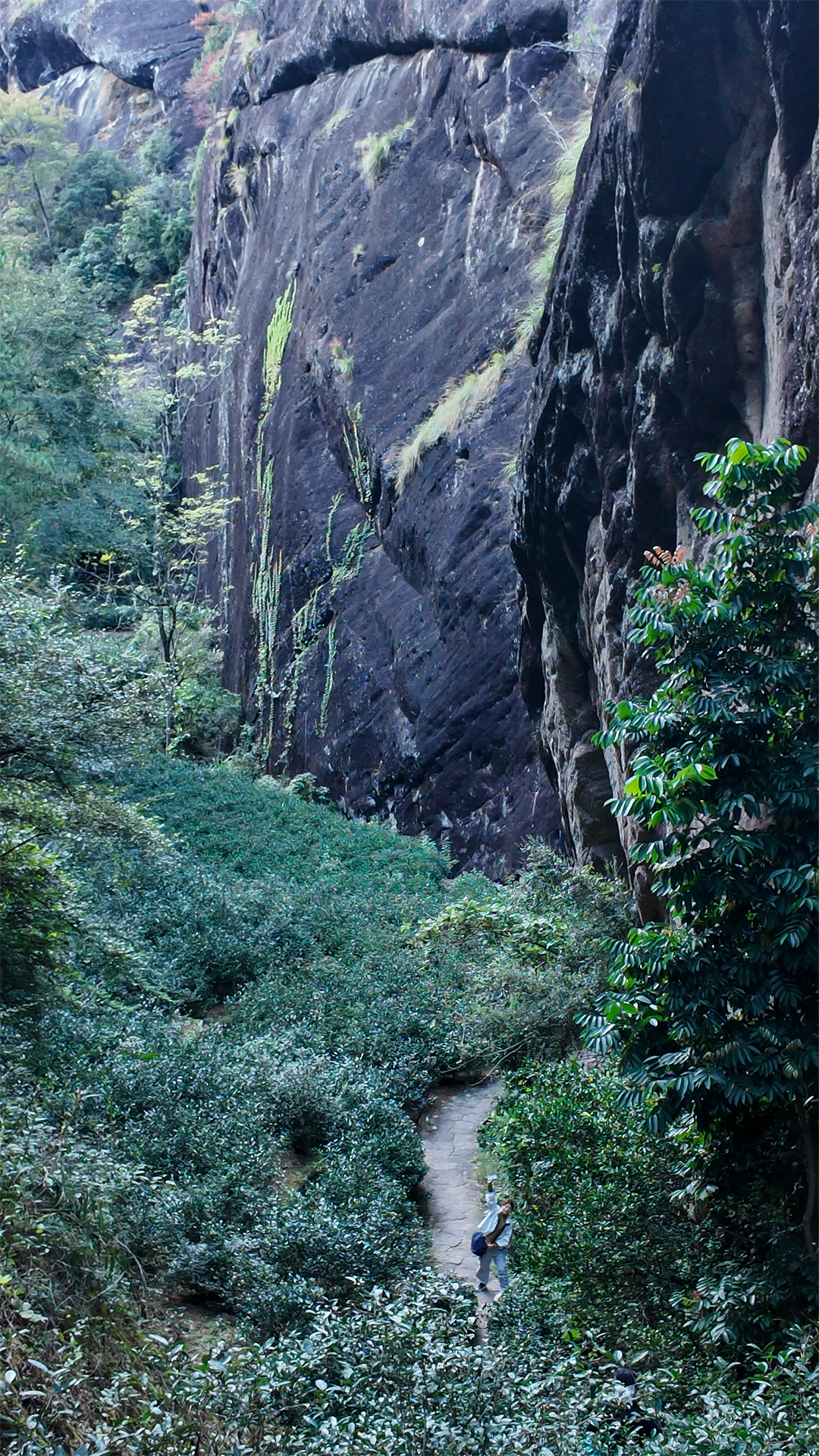
Teaviews did not begin with a product list or a business plan. It began in the mountains, where tea stopped being an idea and became something lived. For our team, life can almost be divided into before the mountains and after the mountains. Long before we knew how to describe what Teaviews would become, Wuyi had already begun to change the way we tasted, listened, and paid attention.
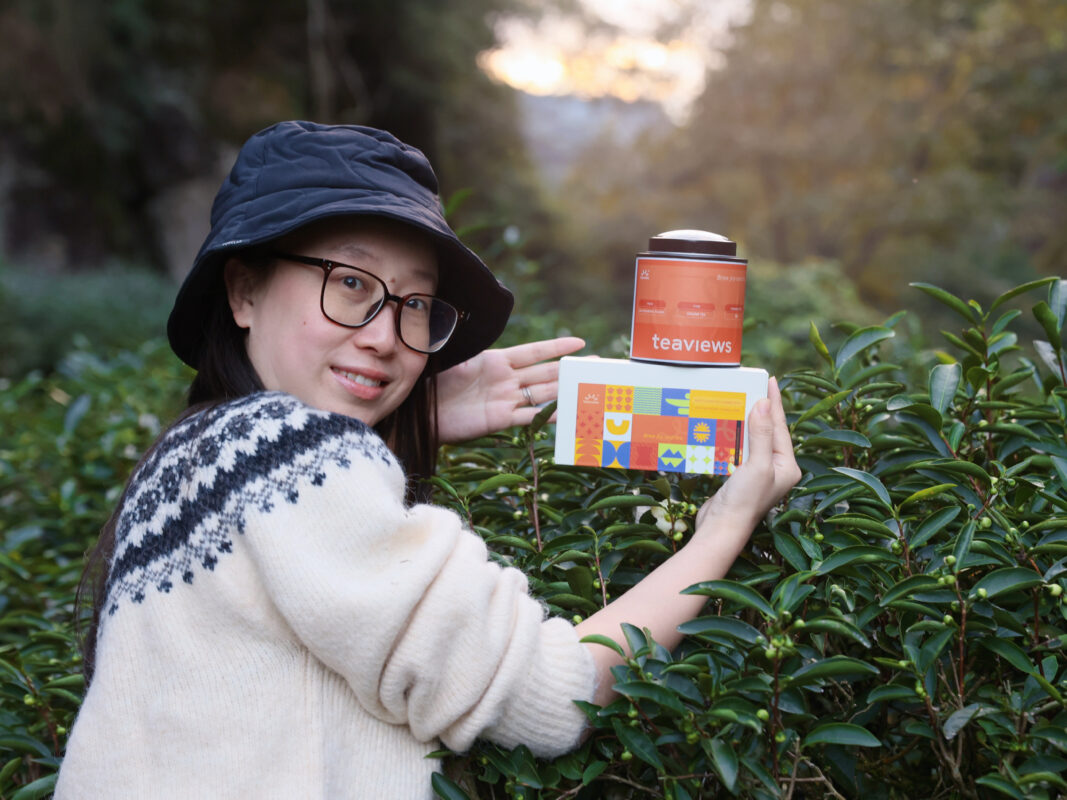
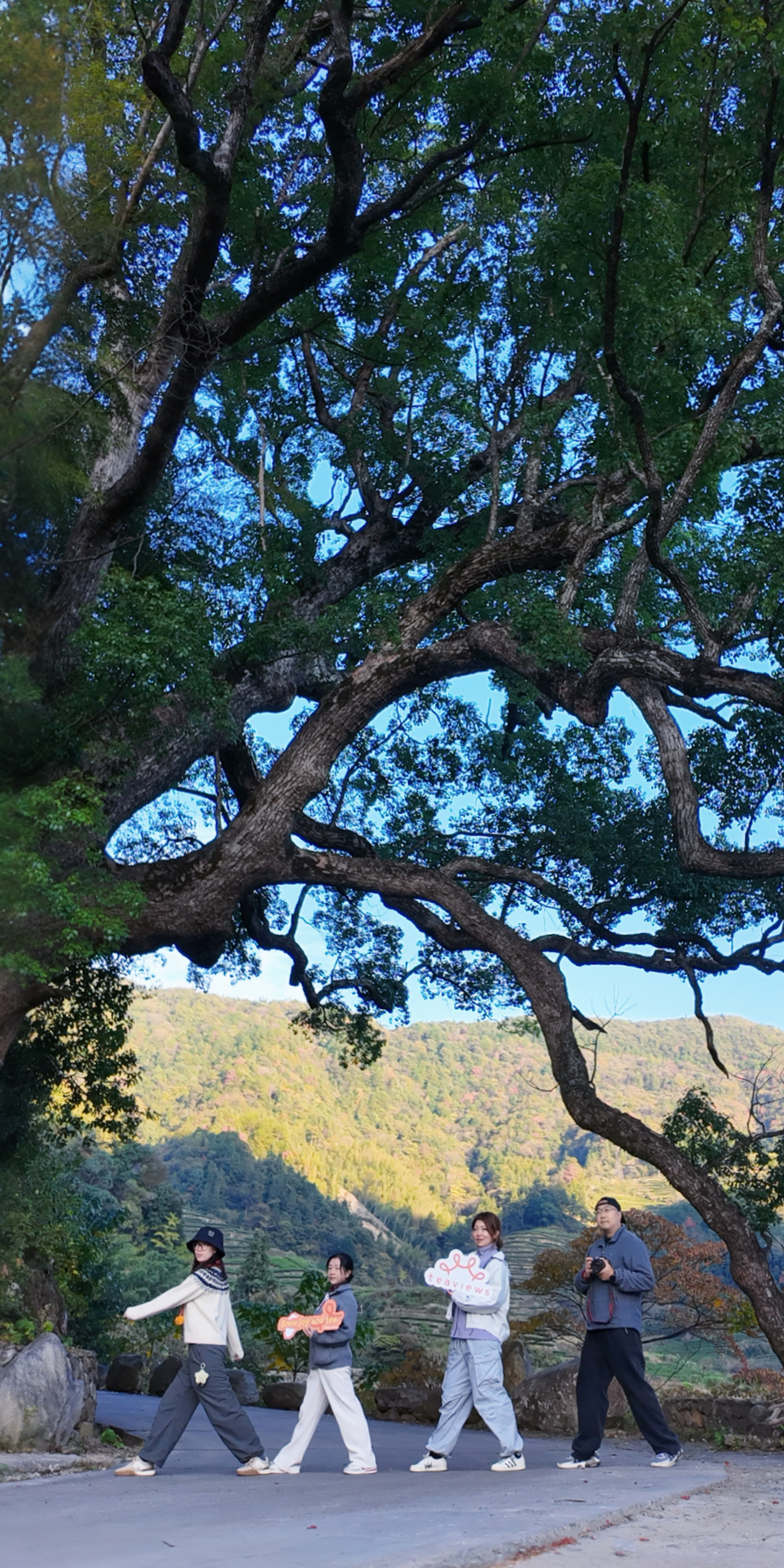
A moment from the mountains where this journey began.
Before the Mountains, After the Mountains
We did not all come to Wuyi for the same reasons, nor were we changed by it in the same way.
For Charlotte, the founder of Teaviews, Wuyi became a second home — a place where life moved at a slower, more grounded rhythm. Mountains, water, music, calligraphy, and tea were not special occasions there, but part of ordinary life. In air scented with tea blossoms and in the sound of birdsong, even her long struggle with sleeplessness began to ease.
Mika, our brand director, found that her social anxiety softened there too. Over cups of warm tea, speaking and silence both felt natural.
Ivy, who leads product development, once said that the first time she drank tea in Wuyi, she wanted to forget everything she thought she knew and begin again like an empty cup.
And Yu, who leads our media work, put it most simply: he used to think all tea was bitter — until he touched the tea trees, smelled the blossoms, watched the roasting fire, and felt, perhaps for the first time, that the tea in his cup was alive.
What stayed with us was something strangely shared: a sense of joy and ease that was difficult to explain, but impossible to forget. In time, that feeling became part of the spirit behind the words at the heart of our brand: Brew joy and tea.
Why Origin Means More Than Geography
That is why, for us, origin has never been only a matter of geography. A tea’s name, category, or region can tell us something, but never enough.
To choose tea honestly, we have to go closer — to the mountains, to the people who make it, to the weather, the season, and the small details that never appear on a label. Over time, we realized that what we were looking for could not be understood through samples and descriptions alone. It had to be walked, tasted, observed, and lived with.
Teaviews begins in the mountains not only in spirit, but in practice.
What “Real” Means to Us
As we went deeper into tea, we kept returning to one question: what feels real?
Not only whether a tea comes from the place it claims, but whether it truly carries the character of that place.
Not only whether a process sounds traditional, but whether the craft behind it is careful, honest, and alive.
Not only who is named behind a tea, but whether the people making it are genuinely present in the work.
Unless we feel sure of these things — the truth of origin, the truth of craft, and the truth of the people behind them — we cannot fully love a tea ourselves. And if we cannot love it with that kind of confidence and understanding, we cannot sincerely share it with other tea drinkers.
The Three Questions We Ask of Every Tea
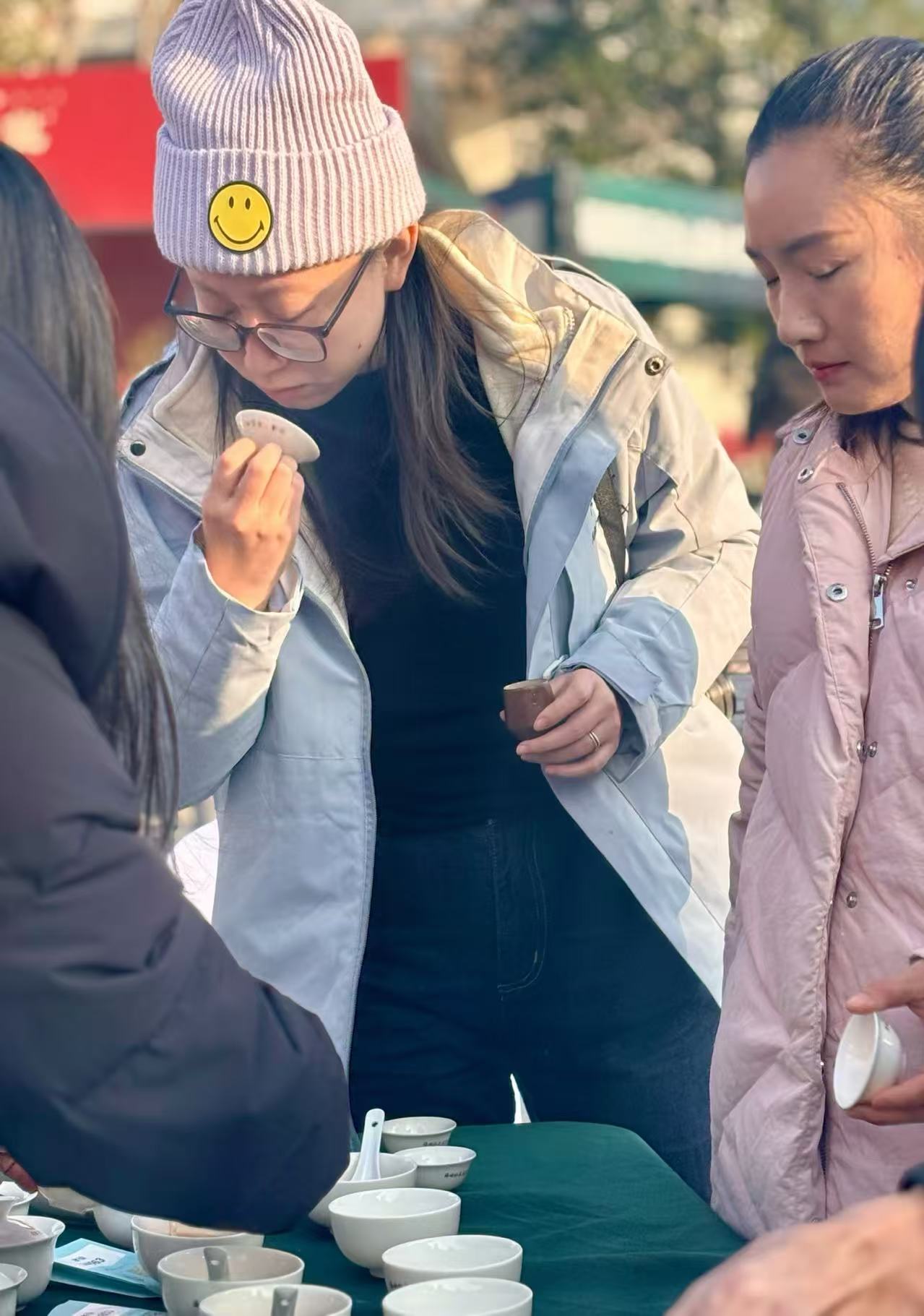
In practice, we look closely at what cannot be verified through a sample alone. We pay attention to the mountain environment, the health of the gardens, and the richness of the surrounding ecology. We want to know whether a tea is being grown and managed in a way that feels natural, steady, and alive.
We also look for consistency in the craft, and for the maker’s understanding of tea — how they read the leaves, how they speak about the process, and how much responsibility they take for what ends up in the cup.
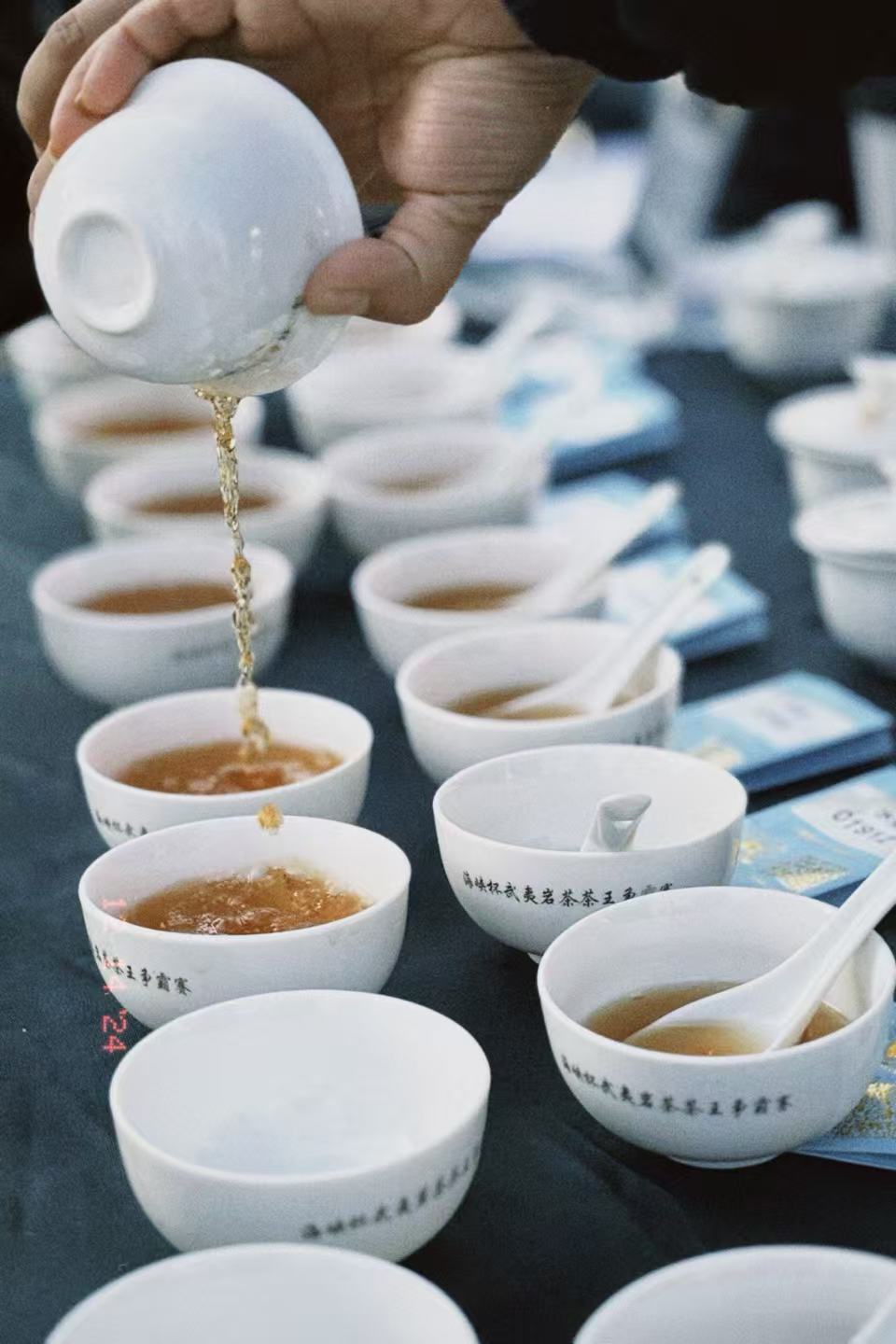
A tea is rarely chosen because it impressed us once. More often, it is selected from dozens, then tested again and again under different conditions. We ask not only whether it tastes good where it is made, but whether it can still hold its character after travel, across climates, and in different countries with different water, teaware, and brewing habits.
In the end, every tea we bring back has to answer three questions:
- Does it truly carry the flavor and character of its origin?
- Can it remain stable through time, travel, and changing conditions?
- Can it still reveal itself well across different hands, different teaware, and different ways of brewing?
These are simple questions, but they shape nearly every choice we make.
Why We Don’t Simply Follow the Market
This is also why people who drink our teas sometimes ask, “What cultivar is this? I’ve never had anything quite like it before.”
That does not surprise us. We do not choose teas simply by following what is currently popular in the market. We are often drawn to teas that may not carry strong commercial recognition, but offer a remarkable experience in the cup.
For us, market performance alone is never enough. We care more about what a tea actually feels like to drink, who it is truly suited to, and whether it is something we can stand behind with real conviction.
One old-bush tea from a trusted maker made this especially clear to us. It was doing well commercially, but after repeated tastings, we felt its profile was too heavy and too narrowly specific — more suited to drinkers who prefer a stronger, more forceful experience than the kind of balance and openness we most want to share. In the end, we did not choose it because it sold well. We chose to trust what the tea itself was telling us.
Minor Tea Variety Protection Plan
Sometimes this way of choosing leads us in the opposite direction of the market.
Some teas may never become widely popular, even though their drinking experience is distinctive, beautiful, and deeply worth preserving. As planting becomes less profitable, these smaller varieties are often grown less and less, and some are now at risk of quietly disappearing.
When we encounter teas like these, we do not only see a product. We see a living piece of tea culture that may not survive unless someone continues to choose it, share it, and speak for its value.
That is one reason we have begun working with the farmers we partner with on what we call the Minor Tea Variety Protection Plan — an effort to support tea varieties whose commercial presence may be fading, but whose flavors, character, and cultural value still deserve to be carried forward.

What We Hope a Cup of Tea Can Carry
After a long day deep in the mountains, walking tea gardens and tracing the land where tea begins, it was already night when we started the drive back down. The road out of the mountain usually takes another two or three hours, and by then we were carrying the quiet tiredness that follows a full day of looking, tasting, and listening.
Then someone suddenly called out, “Look — a shooting star.”
We lifted our eyes and found the sky scattered with stars, the Milky Way open and luminous above us. It was one of those surprises that belongs only to the deep mountains — a gift from nature, and one of the quiet romances of this work.
In the end, this is also part of what we want to share through tea: not only flavor, not only origin, but the kind of joy that arrives unexpectedly and stays with you for a long time.
Perhaps that is why Teaviews still begins in the mountains, again and again. Not only because tea grows there, but because the mountains keep reminding us what we most hope to share: something true, something living, and a quiet kind of joy that stays with people.
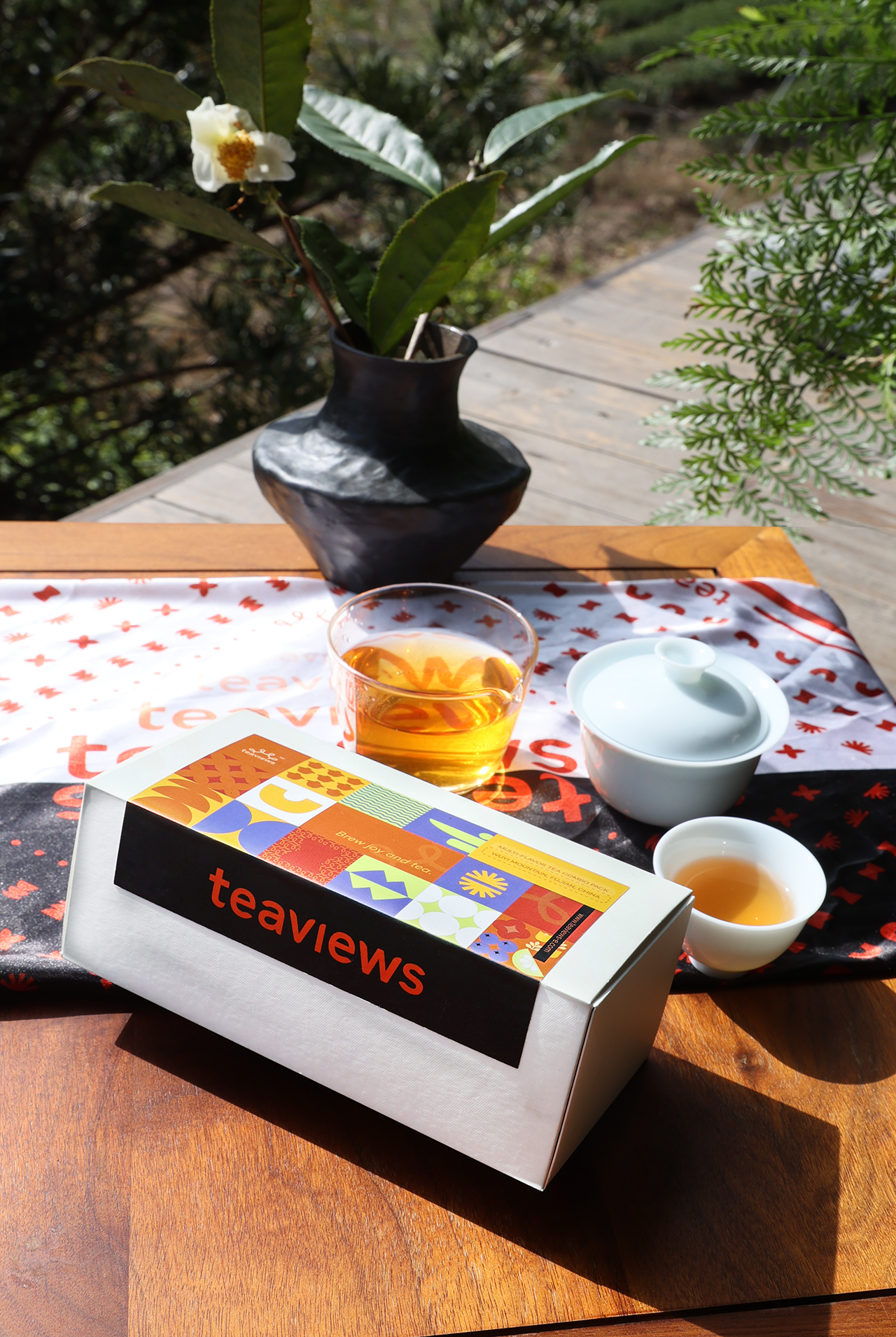
No cup can contain the whole sky, the whole road, or the whole mountain. But if a tea has been chosen with enough care, it may still carry a trace of that feeling home.
At the end of every shipping email we send, there is a line we return to again and again: This cup of tea has crossed mountains and seas to meet you. Thank you for waiting. To us, that is more than a shipping note. It is a quiet way of honoring the full journey of a tea — from the mountains where it first took shape, to the hands of the person waiting to receive it. From the mountain to your cup, this too is a shared journey.
Teaviews Journey will continue from here — through mountain paths, tea gardens, makers’ hands, tasting tables, and the quiet moments that rarely appear in product descriptions. It is where we will keep recording the people, places, and decisions behind the teas we choose and share.
And perhaps that is what we believe a tea journey truly is: not something that ends upon arrival, but something that continues, cup by cup.
FAQ
1. Why does Teaviews choose tea at origin?
We believe origin is more than a name on a label. To choose tea honestly, we need to go closer — to the mountains, the gardens, the makers, the season, and the details that cannot be understood through samples alone. Visiting origin helps us better understand a tea’s environment, craft, and character.
2. What makes Teaviews different from other Chinese origin tea brands?
For us, origin is only the beginning. We do not choose tea by place name or market popularity alone. We look for authenticity in origin, craft, and the people behind the tea, and we test whether a tea can remain stable and expressive across travel, brewing styles, and different drinking environments. What we share is not only tea from origin, but tea we have learned to trust deeply.
3. What does Teaviews mean by “real” tea?
For us, “real” tea means more than claimed origin or traditional language. It means a tea truly carries the character of its place, is made with care and integrity, and reflects the presence and responsibility of the people behind it. We look for the truth of origin, the truth of craft, and the truth of the people making the tea.
4. What questions does Teaviews ask before selecting a tea?
Every tea we bring back has to answer three questions:
1. Does it truly carry the flavor and character of its origin?
2. Can it remain stable through time, travel, and changing conditions?
3. Can it still reveal itself well across different hands, teaware, and brewing styles?
5. What is the Minor Tea Variety Protection Plan?
The Minor Tea Variety Protection Plan is our effort to support tea varieties whose commercial presence may be fading, but whose flavors, character, and cultural value still deserve to be carried forward. Through this initiative, we work with partner farmers to help keep distinctive smaller tea varieties alive.