Best Tea After a Heavy Meal: Roasted Oolong, Black Tea, or White Tea?
Quick Answer
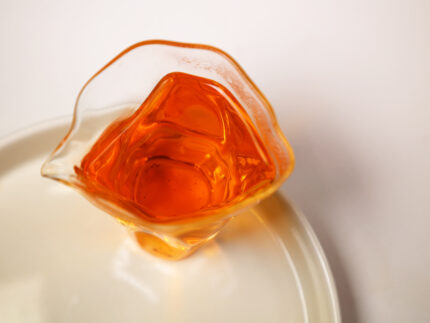
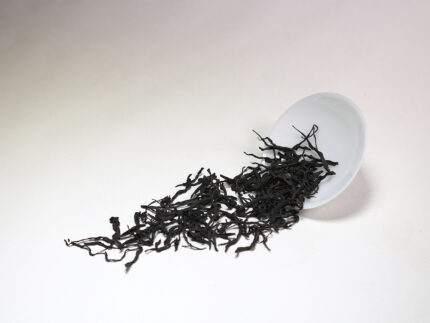
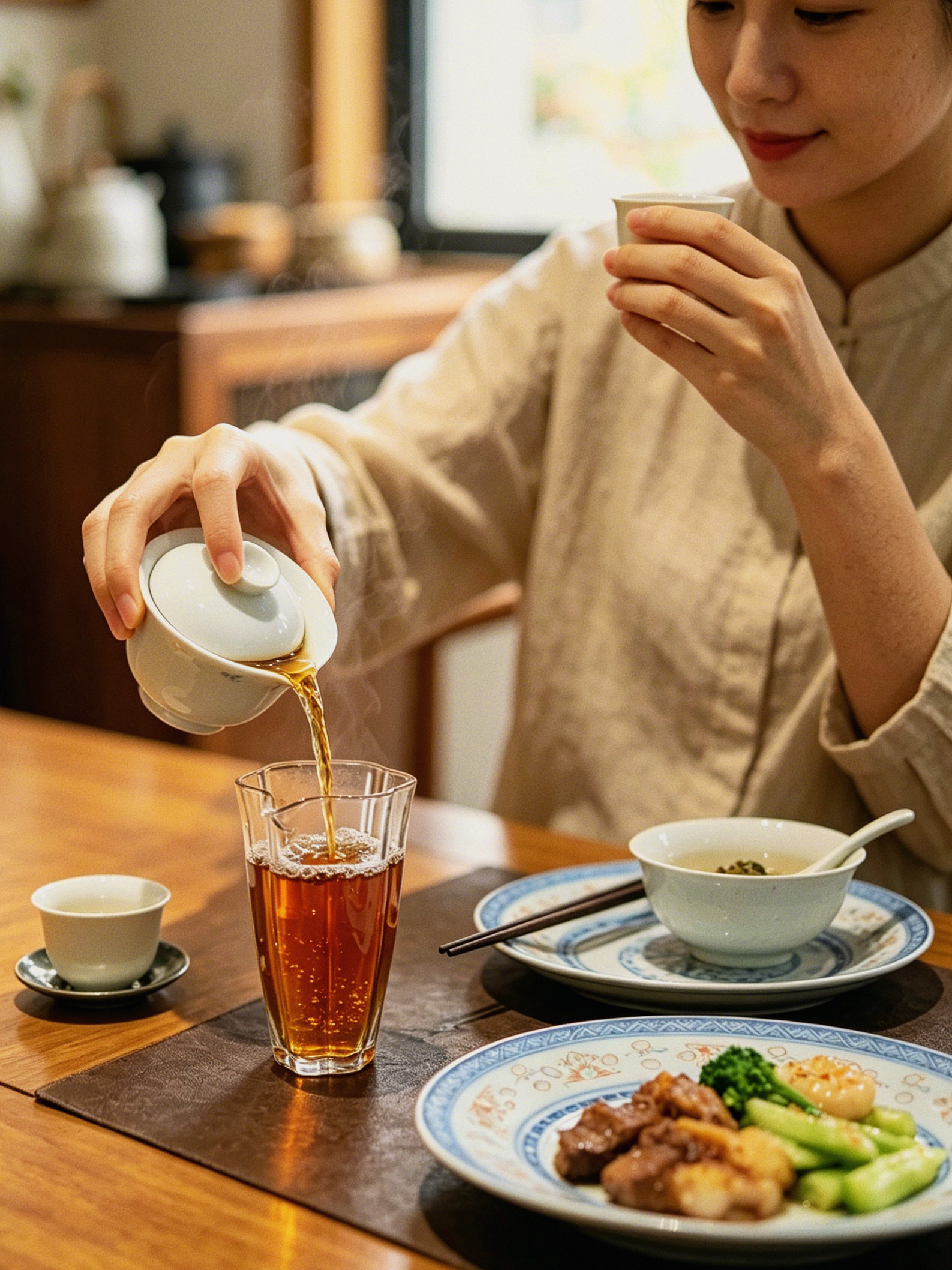
After a heavy meal, many people do better with tea that feels warm, steady, and easy to return to. Roasted oolong is often the deepest and most grounding option, mellow black tea usually feels softer and smoother, and white tea tends to suit people who want something lighter and quieter. The best choice depends on whether you want warmth, structure, or a gentler pace after eating.
Why Tea Feels Different After a Heavy Meal
Not every tea feels good after food.
After a heavier meal, most people are not looking for freshness first. They are usually looking for something steadier. Something warm. Something that does not push the body forward too quickly.
That is why the tea you enjoy in the morning is not always the tea you want after dinner.
Some teas feel too bright, too green, or too sharp after rich food. Others feel rounder, slower, and easier to sit with. That difference matters more than many people expect.
For many drinkers, roasted oolong is the most natural place to begin after a heavy meal.
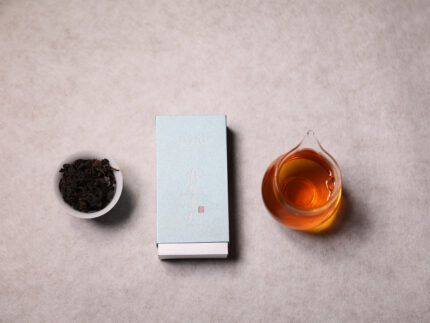
It tends to feel warmer and more grounded than lighter tea styles. Instead of coming across as bright or piercing, it usually feels deeper, steadier, and more contained. That can be especially welcome after oily food, rich dishes, or a late dinner when you want the meal to settle rather than keep stimulating the senses.
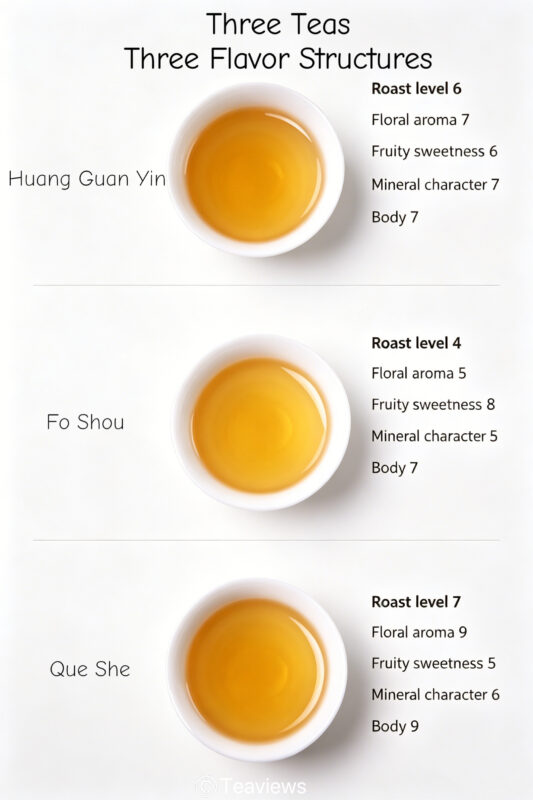
This is one reason traditionally roasted Wuyi teas are so often appreciated in this context. Their mineral structure, warmer finish, and rounded mouthfeel can create a feeling of internal steadiness that many people find satisfying after eating.
If you want to understand that profile more clearly, Wuyi rock teais a good place to start.
Black Tea: Best for Gentle Warmth
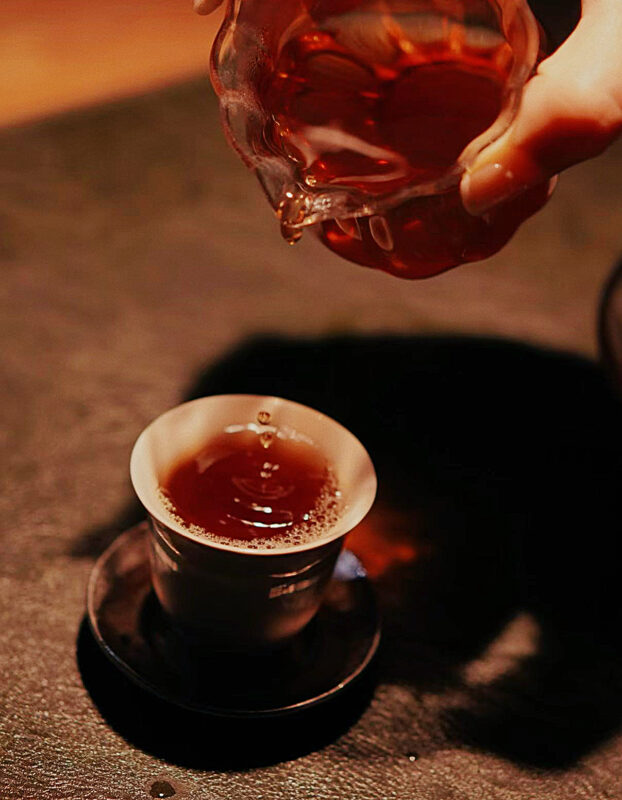
Black tea can also be a very comfortable choice after meals, especially if you want warmth without too much roast or mineral structure.
A softer black tea often feels smooth, familiar, and easy to drink slowly. It usually asks less of the palate than roasted oolong, which makes it a good choice when you want comfort more than complexity.
For some people, this is exactly why black tea is easier to return to day after day. It gives warmth and calm without feeling too heavy.
If roasted oolong feels like a deeper after-meal tea, black tea often feels like the gentler one.
White Tea: Best for a Lighter After-Meal Mood
White tea is a quieter option.
It is usually not the first tea people reach for after a very heavy meal, especially when they want warmth or roast. But it can still work well when the meal was not too rich, or when what you want afterward is something softer, slower, and less dense.
Compared with roasted oolong or black tea, white tea often feels lighter in tone and less structured. Some people love that. Others find themselves wanting more warmth after food.
So white tea is often best when you want the after-meal moment to feel calm, not necessarily grounding.
Which Tea Style Is Best for You?
If you are not sure where to begin after a heavy meal, a simple starting point helps.
Start with roasted oolong when the meal felt especially rich, oily, or late in the day. It often feels the most grounding.
If that sounds too intense, move toward a softer black tea. It is usually easier to return to and asks a little less of the palate.
White tea tends to suit lighter meals, or moments when what you want is something quieter rather than more settling.
You do not need the perfect choice at first. You only need a place to begin.
A Good Starting Point for Roasted Tea Drinkers
If you are curious what “roasted” actually feels like in practice, one tea on its own does not always make the difference easy to understand.
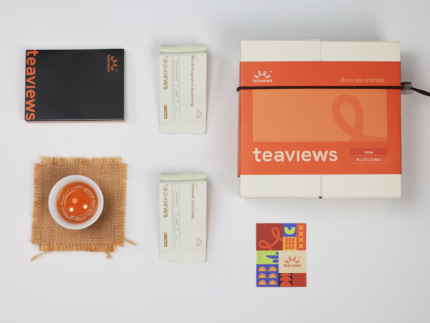
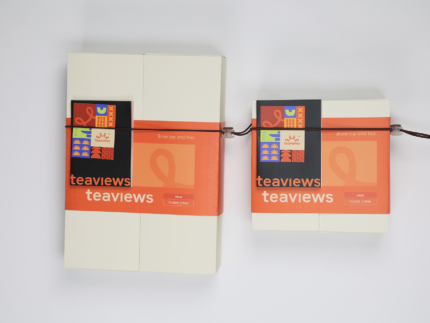
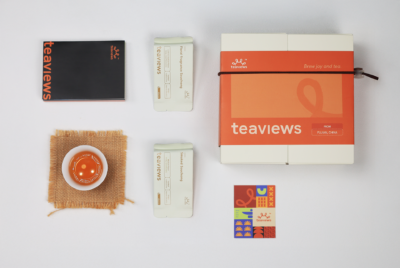
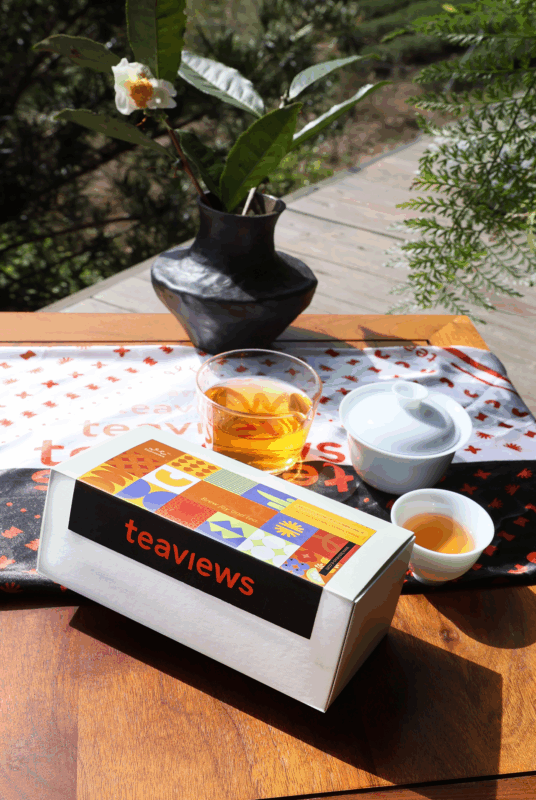
That is where the Yancha Baseline Set becomes useful. It lets you compare several roasted Wuyi teas side by side, so you can notice more clearly which profile feels best to return to after a meal.
After a heavy meal, tea is less about following a rule and more about choosing a direction.
Some people want the meal to settle. Some want warmth without heaviness. Some want something quiet enough to ease the body out of fullness.
Roasted oolong, black tea, and white tea each answer that moment differently. The best starting point is usually the tea that feels easiest to live with, not just the one that sounds best on paper.
FAQ
What tea feels best after a heavy meal?
Many people prefer roasted oolong or mellow black tea after a heavier meal because these teas often feel warmer, steadier, and less sharp.
Is green tea good after a heavy meal?
Some people enjoy it, but very bright or brisk green teas can feel too sharp after rich food.
Is roasted oolong better than black tea after meals?
Not always. Roasted oolong often feels deeper and more grounding, while black tea may feel gentler and easier for everyday drinking.