Healthy Tea Life

Tea After Meals: How Chinese Tea Supports Digestion and Whole‑Body Comfort

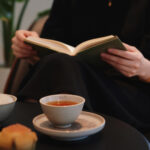
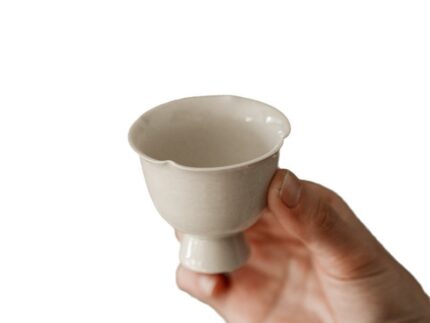
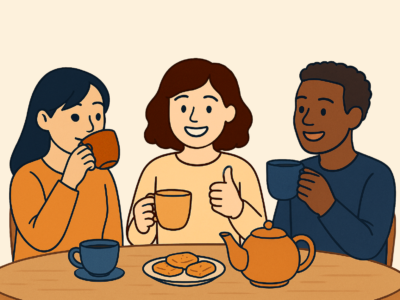
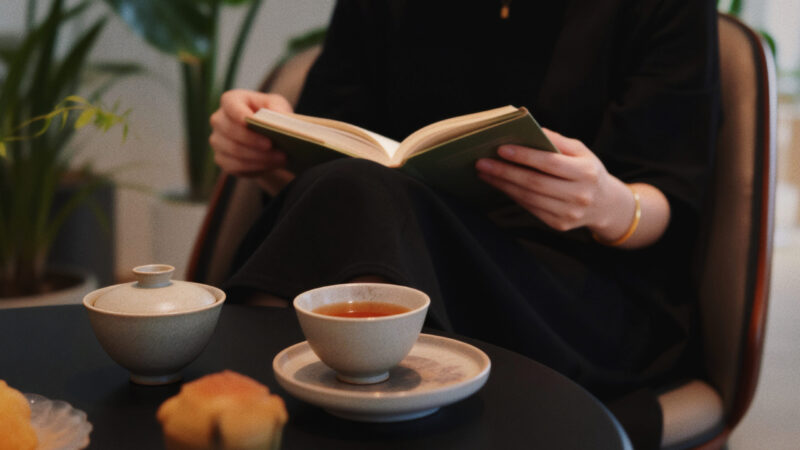
A quiet moment of drinking Chinese tea after a meal, creating a simple daily ritual of comfort and ease.

Digestion is not just a biological function.
The body is not broken.
It has simply lost its rhythm—for a moment.

In modern life, digestion often feels unstable: bloating after meals, a heavy sensation in the body, mental fog; eating enough yet still craving sugar or stimulation. These experiences are not always caused by food itself. In Chinese understanding, the stomach is closely linked to emotion. When the nervous system is overstimulated or tense, digestion is often the first system to fall out of balance.

In many cultures, digestion is treated as a mechanical process—something to be stimulated, accelerated, or “fixed.” Supplements promise faster results. Beverages are marketed to “activate” or “boost” the system. Chinese tea culture approaches digestion very differently. Rather than pushing the body to work harder, traditional tea drinking supports the body after eating, helping it return to its natural rhythm.

This is why, for centuries, tea has been enjoyed after meals—not as a shortcut for digestion, but as a way to restore comfort, flow, and balance. Understanding this perspective changes how you choose, brew, and experience tea.

Why Tea Is Traditionally Drunk After Meals in Chinese Culture

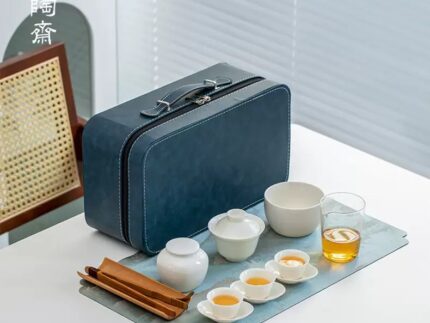
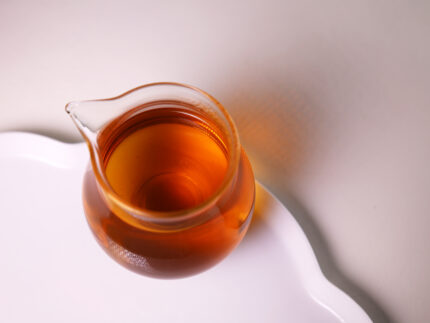
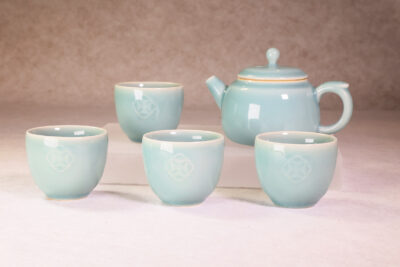
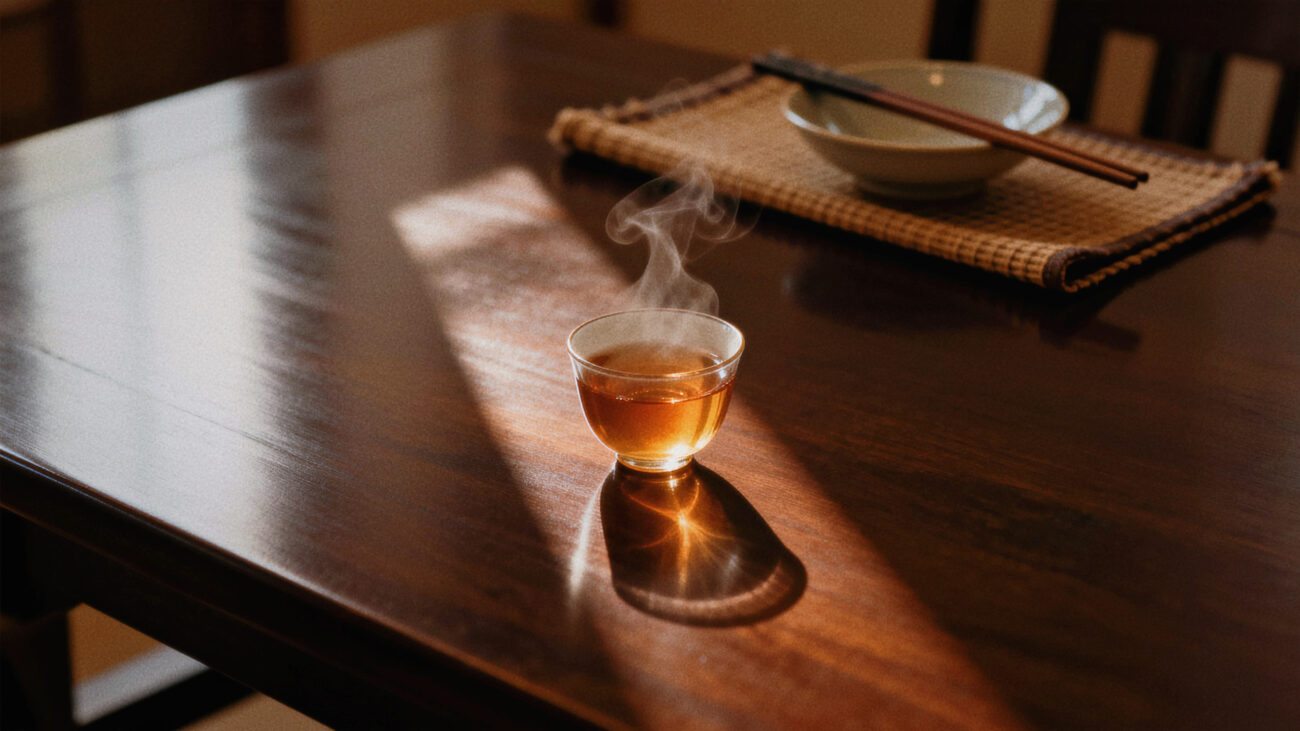
A warm cup of Chinese tea after a meal, creating a moment of calm and digestive comfort

In traditional Chinese thinking, digestion is closely connected to the nervous system and the body’s overall regulatory state. When the body is rushed, overstimulated, or tense, even the simplest food can feel difficult to digest.

In many Chinese households, tea is rarely consumed during meals. It appears after eating—when the body transitions from intake to processing. This timing matters.

After a meal, the body naturally turns inward. Blood flow, attention, and energy are redistributed. Introducing tea at this moment is not meant to speed digestion, but to support the transition itself. Warm tea gently signals the body to relax; aroma naturally slows the breath; the act of sitting and sipping creates a low-resistance sensory environment in which digestion can proceed with ease.

Tea after meals has never been a rushed habit. It is not meant for walking or multitasking. It is a return—to body and mind.

How Tea Supports Comfort After Meals—Not Stimulation

A common misconception is that tea helps digestion through stimulation. Many people focus on components—polyphenols, caffeine, or functional compounds—but this is not why tea has traditionally been valued after meals. What matters more is not what is stimulated, but whether the body can complete digestion smoothly and naturally.

Warmth and Internal Relaxation

Warm tea supports circulation and gentle expansion without creating shock to the system. Unlike cold drinks, warmth allows the body to soften rather than contract. This relaxation alone can ease many post-meal discomforts.

Aroma and Breathing

Tea aroma naturally deepens the breath. As attention shifts to scent, breathing slows without conscious effort. The nervous system settles—and this calm state supports digestive comfort.

[ Explore mindful brewing and tea balance 👉 The Five Elements in Tea: Exploring Wuxing and Mindful Brewing ]

Rhythm and Pause

After meals, the body needs quiet. Brewing and drinking tea—waiting, pouring, sipping—creates rhythm and pause, interrupting urgency and allowing digestion to unfold at its own pace.

Balance Through Tea Selection

Tea has also been chosen traditionally based on the nature of food consumed. After cold or raw foods such as sushi or sashimi, fully fermented black tea is often preferred, helping the body feel more grounded and settled. After fried or grilled foods—fried chicken or barbecue, for example—oolong tea is commonly chosen, supporting a sense of movement and lightness after heaviness.  [ Learn more about oolong tea and its benefits 👉 What is Oolong Tea All About and How Has It Evolved ]

After alcohol, aged white tea or pu-erh tea is traditionally used to ease the suspended, unsettled feeling alcohol can create, allowing the body to return gradually to stability.

These pairings are not strict rules. They reflect felt balance, not formulas.

Tea does not force digestion; it creates the conditions for it.

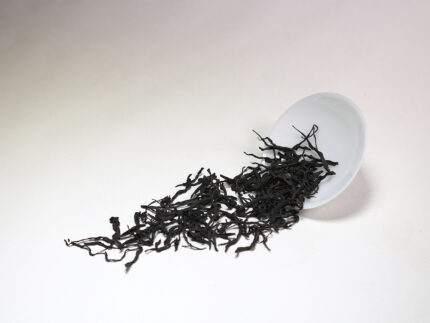
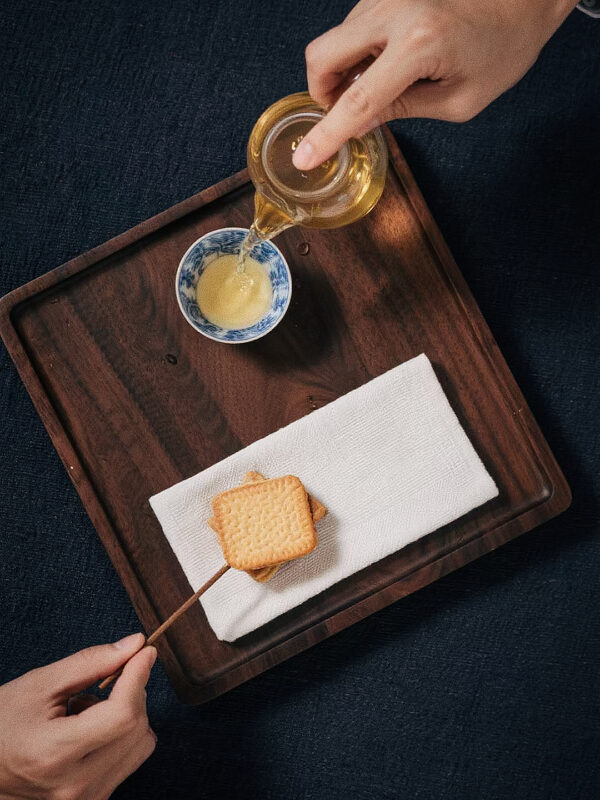
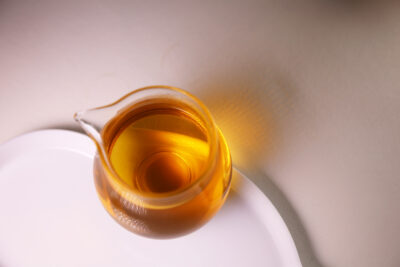
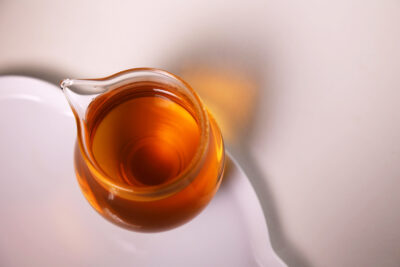
Chinese tea enjoyed after different meals, emphasizing balance, comfort, and a gentle sensory pairing.

Common Teas Chosen After Meals in Chinese Tea Culture

Not all teas are suitable after eating. Some are too stimulating; others are too light. Traditionally, the following teas are most often enjoyed after meals to support stability and comfort.

Oolong Tea After Meals

Oolong tea sits between green and black tea in both processing and sensation. Partial oxidation gives it clarity without agitation. Many people find oolong tea ideal after meals—refreshing yet unhurried, uplifting without disruption.

Roasted Teas

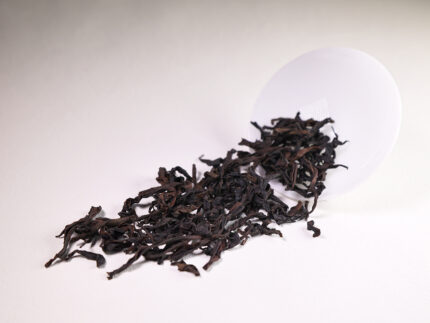
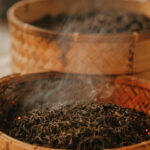
Roasted teas offer warmth and structure. Roasting softens sharp edges and adds depth, making these teas especially comforting after rich or abundant meals.

[ Discover more about Dahongpao and its qualities 👉 If You Like Dahongpao, There Are a Few Things You Should Know ]

Aged Teas

Aged teas are often described as more grounded. Time rounds the tea, lending stability and calm. They are commonly chosen when the body feels heavy, overstimulated, or scattered.

Not All “Fresh” Teas Are Ideal After Meals

Green tea is often associated with freshness, health, and antioxidants. However, it is not always ideal after eating. Its light, activating nature may feel uncomfortable for those with sensitive digestion, or when consumed close to an empty stomach.

This does not mean green tea is unhealthy. It simply highlights an important principle: timing and bodily state matter as much as the tea itself. Choosing tea after meals is not about rigid rules, but about listening to the body’s response.

Making Tea After Meals a Daily Practice

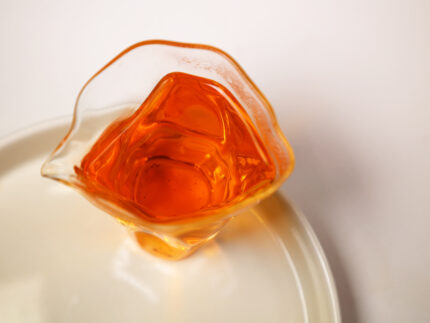
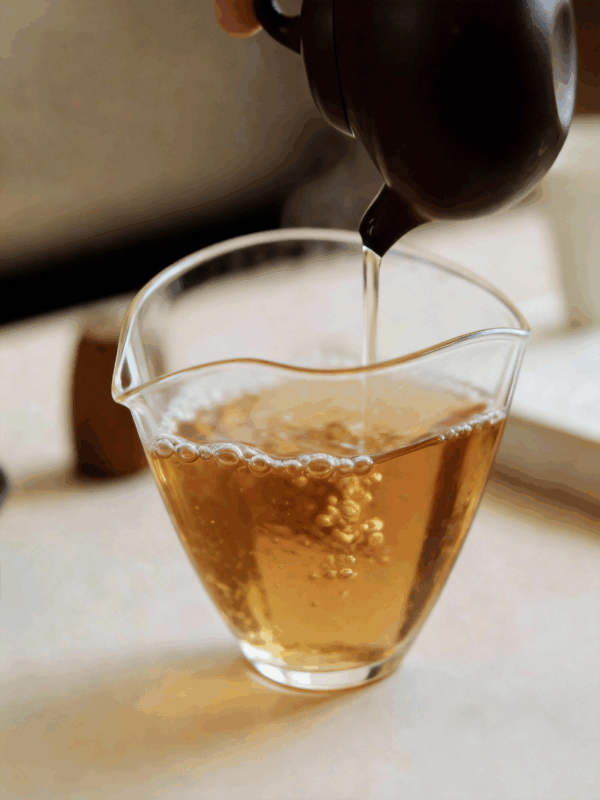
Warm tea in motion, evoking aroma, internal flow, and a gentle sensory journey through the body.

Tea’s support for digestion comes from consistency, not from one-time solutions. Many people find tea especially helpful at daily transition points—from lunch to afternoon, from afternoon to evening. These are moments when the body naturally recalibrates.

Over time, the body begins to recognize tea after meals as a familiar signal of safety and ease. The ritual itself communicates that it is okay to slow down.

Some find that setting a tea table or tea space deepens this effect. When the senses have a place to land, the body follows. Unlike scrolling or working, this practice may appear purposeless—yet it is deeply restorative.

Digestion Is Rhythm, Not Performance

In Chinese tea culture, digestion is not measured by speed or efficiency. It is experienced as comfort, clarity, and continuity. When digestion is supported, the body feels settled; energy moves smoothly; cravings soften; attention becomes steady.

Tea after meals does not promise instant change. What it offers is something more sustainable: a way the body can rely on over time. Through warmth, rhythm, and repetition, tea supports the body’s natural ability to self-regulate.

One meal. One cup of tea.

Cup by Cup, Returning to Balance

In a world that constantly asks the body to perform, drinking tea after meals is a quiet choice—not forcing, not accelerating, simply returning to center.

Cup by cup, returning to balance.

Oh, Hello👋Nice to meet you.

Join us for tea inspiration and 10% off your first order.

We are not spam! Read our privacy policy for more information.

Leave a Reply